1. Home
  2. Computing
  3. News

Intel's latest acquisition demonstrates its commitment to computer vision tech

Add as a preferred source on Google

As autonomous robot workers become more prevalent, there’s going to be far more demand for computer vision chips — the technology that allows these robots to perceive the world around them. In an attempt to stay one step ahead of its competition, Intel has acquired one of the leading companies working in this field.

Movidius was founded in Dublin back in 2005, and specializes in the creation of low-power processor chips that can be used to facilitate computer vision. Intel isn’t the first big name to show interest in the company — the California-based outfit announced a partnership with Google back in January.

Recommended Videos

The partnership between Google and Movidius helped the first generation of Project Tango smartphones to map their surroundings, according to a report from The Verge. The devices use a host of cameras and sensors to produce 3D maps of a user’s surrounding area, which can then be used alongside augmented reality services.

Movidius further raised its profile with its contributions to DJI’s Phantom 4 drone. Thanks to the company’s Myriad 2 vision processor units, the Phantom 4 is capable of improved vision-based tracking, refined autonomous movement, and better obstacle avoidance.

“When computers can see, they can become autonomous and that’s just the beginning,” wrote Movidius CEO Remi El-Ouazzane in a statement on the company’s website. “In the years ahead, we’ll see new types of autonomous machines with more advanced capabilities as we make progress on one of the most difficult challenges of AI: getting our devices not just to see, but also to think.”

Although the deal has not yet been finalized, the fact that both Intel and Movidius are announcing the acquisition suggests that it is almost certain to go through. A statement from Josh Walden, general manager of Intel’s new technology group, indicates that Movidius will be assisting with the company’s RealSense program.

Brad Jones
Brad is an English-born writer currently splitting his time between Edinburgh and Pennsylvania. You can find him on Twitter…
OpenAI president confirms a family of ChatGPT devices is coming soon
Brockman won't confirm the smart speaker rumors, but he's already thinking bigger than one gadget.
OpenAI logo on Microsoft surface

Talking to your computer instead of typing to it might sound like a sci-fi fantasy, but OpenAI is betting big on it. In a chat with Joanna Stern on her YouTube channel, OpenAI president Greg Brockman confirmed that the company is not stopping at just one gadget. Get ready, because a whole family of devices is on the way.

When Stern brought up rumors of an AI smart speaker, Brockman did not confirm or deny it. Instead, he said, "we're building a family of devices," adding that the focus is not on any single product but on delivering value over time. As for a launch date, Brockman kept things just as mysterious, only saying, "you should expect them soon."

Read more
Microsoft is making a Copilot super app to end your AI app juggling
Chat, code, and your autonomous work buddy are all moving under one roof this year.
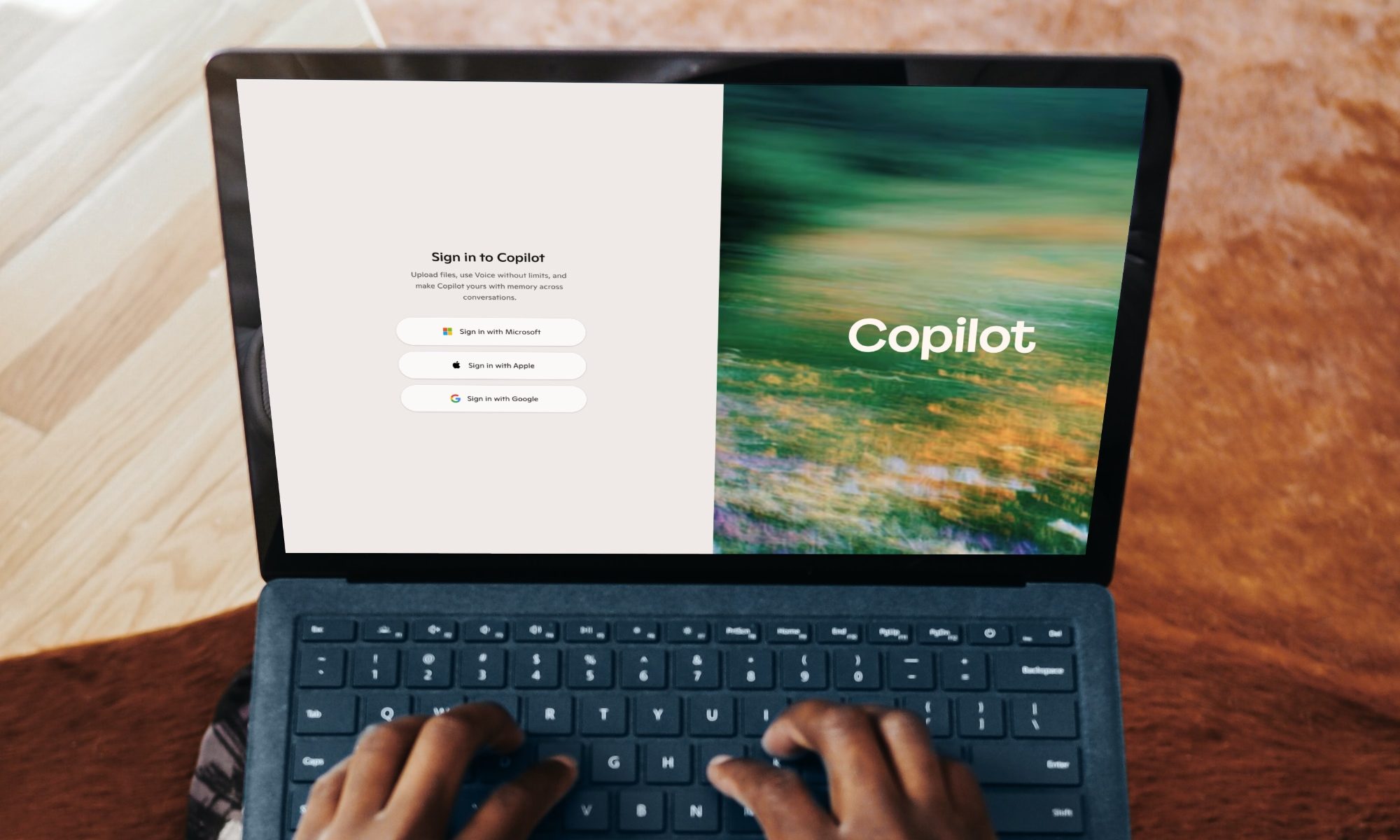
Microsoft Copilot website open on Microsoft Surface

Microsoft has been dropping Copilot everywhere lately: chat, Cowork, coding, autonomous agents, and now it looks like all of it is getting stuffed into one place. During Wednesday's earnings call, CEO Satya Nadella confirmed the company is building an AI super app that brings every one of these Copilot experiences under a single roof.

What exactly is Microsoft building?

Read more
I didn’t think the budget Alienware 15 would work. I was wrong.
Dell's most affordable gaming laptop for 2026 had big shoes to fill. Thankfully, it feels like an Alienware in all the right ways.
Dell Alienware 15 Hands-On First Impressions Design 2

I've been using Alienware laptops since the late 2000s, and one word has always defined the brand for me: excess. The good kind. For the longest time, if a gamer wanted a laptop that looked every bit as powerful as it played, Alienware was the name that came to mind. The bold designs, futuristic aesthetics, and unapologetically over-the-top styling made every machine feel special. Sure, they came with eye-watering price tags, but somehow that always felt justified. After all, nobody expects to buy a Porsche at a discount, right?

So when Dell announced a budget-friendly Alienware earlier this year at CES 2026, I wasn't entirely sold on the idea. On paper, making Alienware more accessible makes perfect sense. And to be fair, that's exactly what Dell will tell anyone who asks.

Read more