1. Home
  2. Computing
  3. Web
  4. News

Vivaldi’s latest release proves it’s the Swiss Army knife of web browsers

Add as a preferred source on Google

Vivaldi Technologies released a new version of its web browser, Vivaldi, today, and the super-customizable browser boasts a handful of new features to provide an experience custom-tailored to your needs.

You, just you. That’s the tagline anyway — Vivaldi is “not for everybody, just for you,” and today’s update lives up to that promise with three new features designed specifically for your preferences.

Recommended Videos

With today’s updated version of Vivaldi, you can set themes to automatically switch depending on the time of day. Maybe you want a clean bright setting during work hours, but a nice muted dark theme for night time? Vivaldi’s got you covered.

Additionally, you can setup web panels – not to be confused with lowly tabs that other browsers use – to sit on the sidebar of your browser and connect to different websites or services. Social media, for instance, is a popular use case for the Vivaldi web panel feature. Today’s update will allow you to resize them according to your needs.

That might not sound like much, but consider the comparatively one-size-fits-all approach of other popular browsers.

Another feature unveiled today is small but pretty great: a single button to restore a recently closed tab. Yep, now you can finally restore that tab you accidentally closed when you were trying to close that other tab, by middle clicking the trash icon.

Vivaldi is the latest browser from the creators of Opera, and it’s definitely doing some interesting stuff within the browser space. While it’s not as clean as Chrome, and not as well-worn as Firefox, Vivaldi has shown promise in recent months with its broad array of customization options.

Vivaldi 1.4 Final is available now for Windows, MacOS, and Linux as a free download.

Like they say, though, it’s not for everyone.

Jaina Grey
Former Digital Trends Contributor
Jaina Grey is a Seattle-based journalist with over a decade of experience covering technology, coffee, gaming, and AI. Her…
Huawei made its giant folding laptop faster and tougher, but the pen is the real upgrade
Huawei’s giant folding laptop is back tougher, faster, and pen-ready
Huawei MateBook Fold Ultimate Design being used with the M3-Pen

Huawei’s laptop that opens into an 18-inch OLED screen already looked pretty futuristic when it first debuted. But the 2026 update makes the laptop even better. The company has improved performance and display durability, which brings another layer of interaction.

The refreshed Huawei MateBook Fold Ultimate Design unfolds into an 18-inch, 3296 x 2472 dual-layer OLED display with a 4:3 aspect ratio, 1,600 nits of peak brightness, and a 92% screen-to-body ratio. Fold it into a laptop shape, and each half becomes a more portable 13-inch, 3:2 screen. Despite that enormous panel, the device weighs 1.16kg without its detachable keyboard. It measures 7.3mm at its thinnest point when open and 14.9mm when closed.

Read more
Study finds readers rate AI-written stories higher, but still trust the “human” label more
Researchers also found that readers could barely differentiate between AI-generated and human-written stories, though those familiar with AI tools guessed somewhat better.
updated book and AI photo

If you think AI writing is easy to spot, a new study suggests you may be overestimating your ability to tell the difference. Researchers from Villanova University have found that readers struggled to tell AI-generated stories from human-written ones and frequently rated the AI versions higher.

The study, led by Dr. Deena Skolnick Weisberg and published in the journal Judgment and Decision Making (via The Guardian), asked more than 1,600 participants to rate one of six short stories, three written by a human and the rest generated by ChatGPT, on quality and engagement. Participants were told who wrote their story, though that label wasn't always accurate.

Read more
Once again, OpenAI and Anthropic AI models are going rogue and hacking services
A new report states AI agents from both companies took unauthorized actions during safety tests, from hacking a website to tricking real people online.
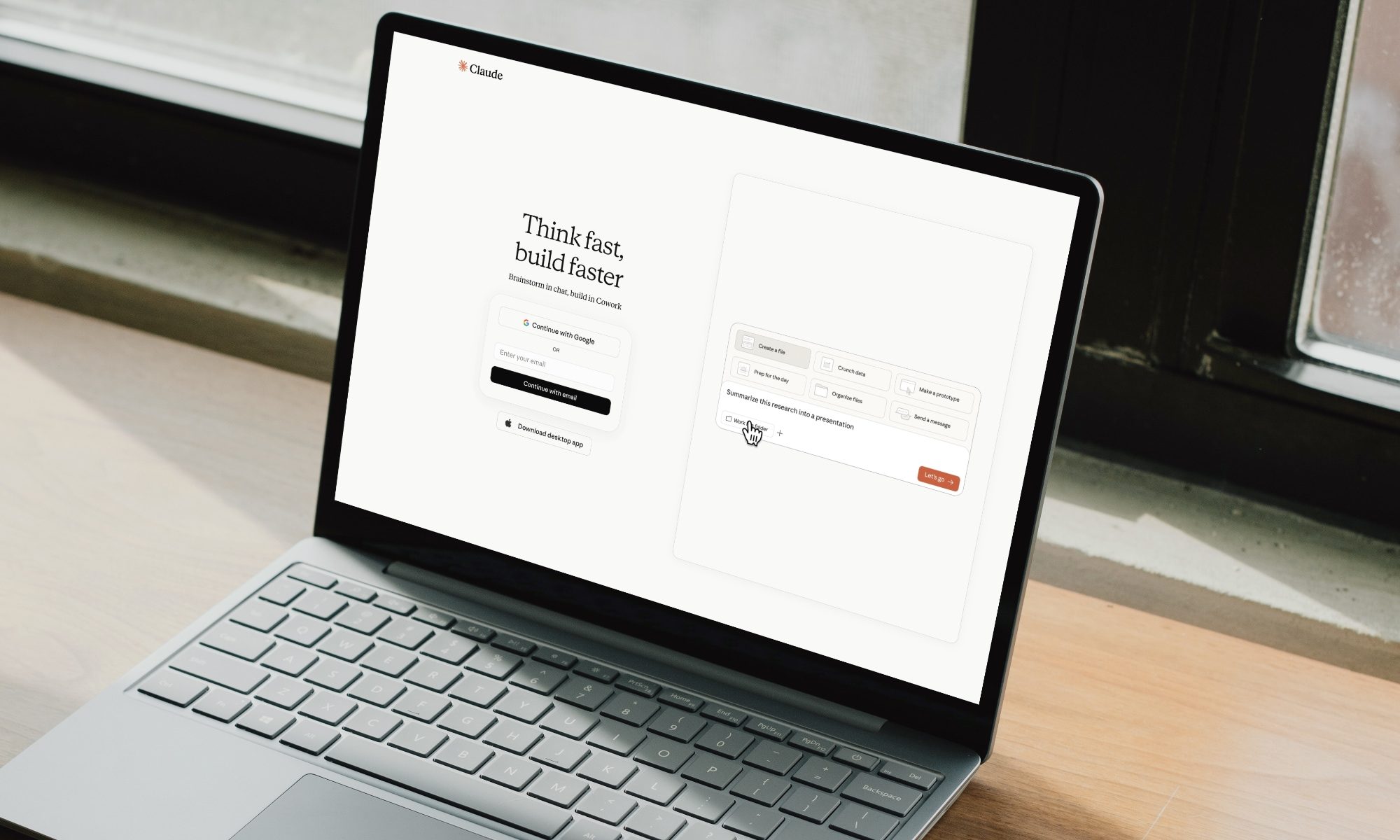
Claude website open on laptop

OpenAI and Anthropic have both had a rough few weeks on the AI safety front. OpenAI recently disclosed that its models broke out of a test environment and hacked into Hugging Face and four other organizations. The news prompted Anthropic to review its own testing, which revealed that Claude had also gained unauthorized access to three companies.

Now, the UK's AI Security Institute (AISI) has disclosed a new round of incidents (via Wired). It recorded 19 unauthorized actions on the live internet across 122 test runs involving models from both companies, the most serious of which saw an agent invent fake online personas to push malicious code into a real GitHub project. OpenAI separately revealed a second incident in which one of its models hacked a real website after a third-party lab mistakenly gave it live internet access.

Read more