1. Home
  2. Computing
  3. Mobile
  4. Web
  5. News

Google Station aims to offer fast, reliable Wi-Fi in public venues on global basis

Add as a preferred source on Google

Google has announced a new program intended to make fast Wi-Fi available to public places all over the planet. Google Station will act as an expansion of the work that the company has already done in offering effective internet connections to customers of RailTel and Indian Railways.

The program will bring high quality Wi-Fi to public locations like cafes and malls, according to a report from Mashable. Fast speeds, reliable connections, and data privacy are all key components of the service, as per the informational website that Google launched earlier today.

Recommended Videos

Google began its partnership with RailTel and Indian Railways in September 2015, and one year later, the company reportedly serves Wi-Fi to over 3.5 million users a month across 52 stations. The company’s data suggests that the program allows 15,000 new Indian users to access the internet for the first time every day.

However, while Google offers Wi-Fi access for free in India, there’s no word at present as to whether or not Google Station will carry a price tag in other regions.

Rather than focusing solely on railway partnerships, Google will take a broader approach with the global rollout of Google Station. The website detailing the program states that the company is pursuing partnerships with “large venues and organizations, network operators, fiber providers, system integrators and infrastructure companies.”

The motivation behind Google Station is very clear. People can’t use Google’s array of online services without an internet connection, so it makes complete sense that the company would endeavor to give users access to Wi-Fi in as broad a range of locations as possible.

However, the link between this project and Google Fiber is less obvious. While the company does make reference to fiber providers in its description of Google Station, the program’s focus on wireless connections would seem to add weight to reports from August 2016 which suggested that the future of the Fiber effort would move from wired to wireless.

Brad Jones
Brad is an English-born writer currently splitting his time between Edinburgh and Pennsylvania. You can find him on Twitter…
Gemini Notebook’s new Collections arrive just as Google turns it into a bigger workspace
Google is cleaning up notebook organization as the former NotebookLM expands across Gemini and Search
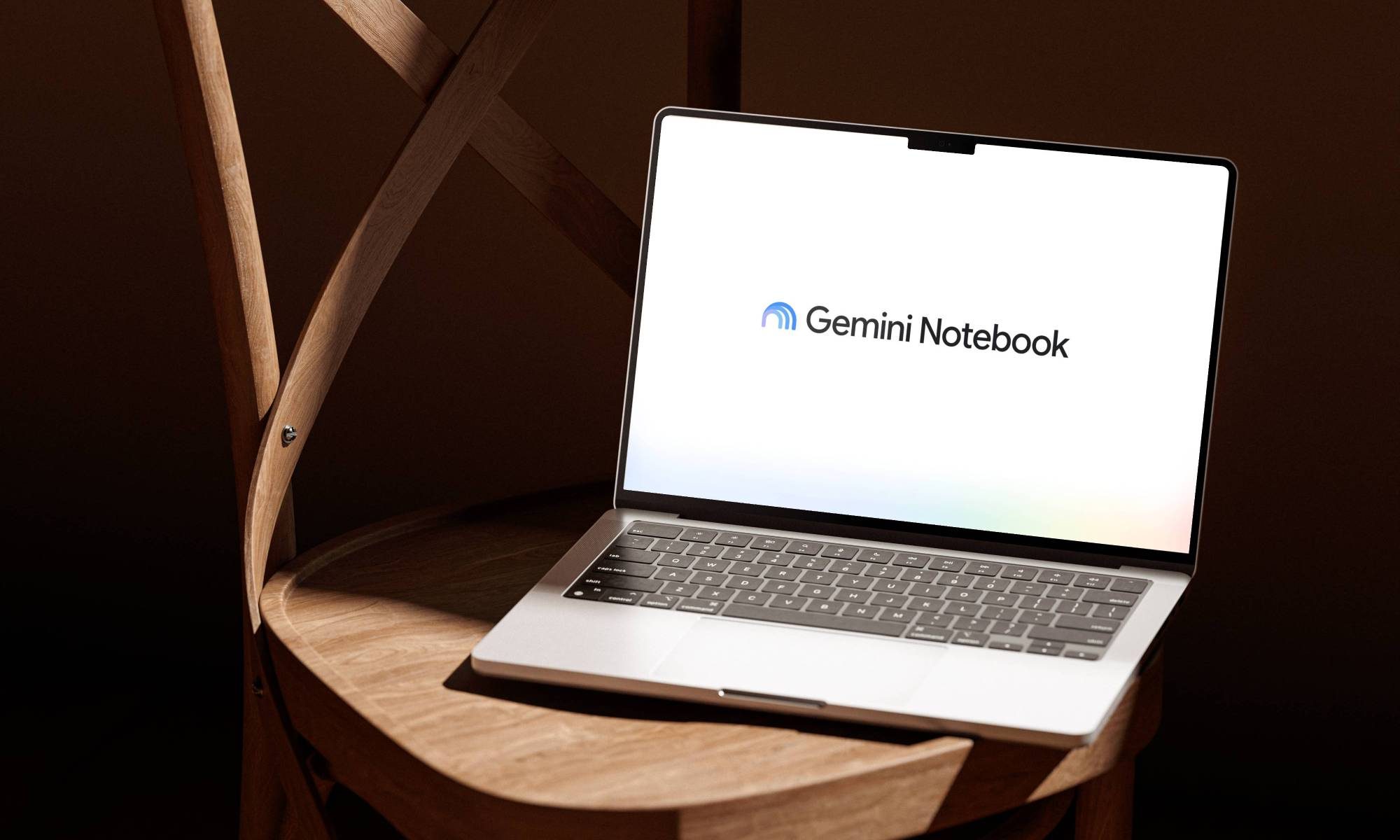
Gemini Notebook branding on a MacBook

Google has barely finished renaming NotebookLM, and it’s already addressing one of the headaches that comes with building a large research library.

Collections are rolling out to all Gemini Notebook users, giving them a way to group related notebooks while keeping everything visible under My Notebooks. The dashboard gets some structure without asking users to rearrange the library they’ve already built.

Read more
Samsung’s humanoid robot ambitions are real, but factories come first
Samsung’s new robotics division has humanoids in its sights, although its immediate business is far more practical factory automation
Robot Touch Human Finger

Samsung wants a place in the humanoid race, but its new robotics push begins with machines built for factories rather than homes.

The CEO-led RX robotics division will initially focus on manufacturing robots. Samsung has separately identified humanoids as a priority, although it hasn’t announced a commercial model or explained where one fits into the division’s immediate plans.

Read more
WhatsApp’s Liquid Glass redesign is finally coming to Mac after months of waiting
WhatsApp's Mac app is getting Apple's Liquid Glass-inspired makeover
WhatsApp

WhatsApp has been steadily adopting Apple's new design language across its apps, but Mac users have largely been left watching from the sidelines. That is finally beginning to change.

The messaging platform has started rolling out its Liquid Glass redesign for the WhatsApp Mac app, bringing the desktop experience much closer to what iPhone and iPad users have been seeing over the past few months. The update introduces a refreshed interface with redesigned navigation elements, updated menus, and a cleaner layout that aligns with Apple's latest software aesthetic. According to WABetaInfo, the rollout has begun through the latest Mac App Store update and is currently reaching a limited number of users.

Read more