1. Home
  2. Emerging Tech
  3. News

So what would happen if a drone hit a plane? The U.K. is trying to find out

Add as a preferred source on Google

While it’s hard to know the precise ratio of dimwits to drones, there certainly seems to be enough of the former owning the latter to cause serious scares at major airports from time to time.

Thankfully there have so far been no reported incidents of the remotely controlled flying machines coming into direct contact with a much bigger aircraft full of pilots and passengers. But what if it does happen? What kind of damage could a quadcopter do to an airplane?

Recommended Videos

Having experienced a few near misses of its own in the past couple of the years, U.K. officials recently kicked off a study to try to discover if a drone hitting a plane really could bring down the larger aircraft.

Although the Daily Mail recently suggested the tests would involve crashing drones “into passenger jets in mid-air,” it appears the study doesn’t involve anything quite that dramatic.

The details of the experiments haven’t been released by the Department for Transport or the Civil Aviation Authority (the U.K.’s Federal Aviation Administration equivalent), and while real drones and planes are reportedly involved, it seems unlikely we’ll be seeing any large aircraft falling from the skies anytime soon.

For starters, the CAA told The Verge this week that the tests don’t involve actual mid-air collisions, and that smaller military jets, rather than passenger planes, are being used. It’s possible that data from flight tests will, for example, be used to create computer simulations to learn more about the possible effects of a drone colliding with a plane.

The results of the test are expected to be published by the end of this year.

Battery fears

A former British Airways pilot warned in March that a drone hitting a passenger plane could cause uncontrolled engine failure or badly damage a cockpit’s windshield. Steve Landells told the Guardian he was particularly concerned about what would happen if a quadcopter’s lithium battery got sucked into an engine. Landells suggested you could “end up with very high-velocity bits of metal going anywhere … through fuel tanks, through hydraulic lines and even into the cabin.”

“Losing the engine is not going to cause an aircraft to crash because they are designed to fly with one engine down,” the former pilot said. “But an uncontained engine failure is going to be different every time. That could be very serious indeed.”

Earlier this year the FAA said that data gathered in the U.S. suggested a “dramatic” rise in near misses involving unmanned aerial vehicles and manned aircraft. However, at around the same time, researchers suggested the FAA was overstating the threat that drones pose to aircraft.

Trevor Mogg
Contributing Editor
Not so many moons ago, Trevor moved from one tea-loving island nation that drives on the left (Britain) to another (Japan)…
Yet another study says AI is bad for elections, and the rabbit hole gets worse
AI may be an election bomb waiting for someone to light the fuse
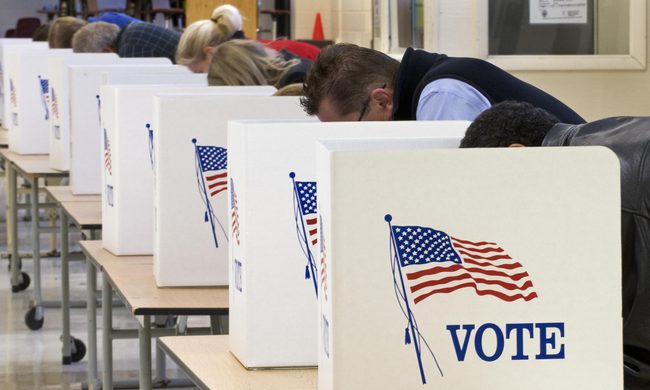
Voters cast their ballots on Election Day

Another election, another study has concluded that asking an AI chatbot for political guidance is a spectacularly bad idea. Research conducted during Hungary’s 2026 parliamentary election found that ChatGPT and Google Gemini offered not just inaccurate but also inconsistent and unreliable voting advice. The chatbots misclassified voter profiles, overlooked relevant parties, recommended parties absent from the ballot, and sometimes produced materially different answers when given the same information repeatedly.

AI keeps failing the voter test

Read more
Samsung’s humanoid robot ambitions are real, but factories come first
Samsung’s new robotics division has humanoids in its sights, although its immediate business is far more practical factory automation
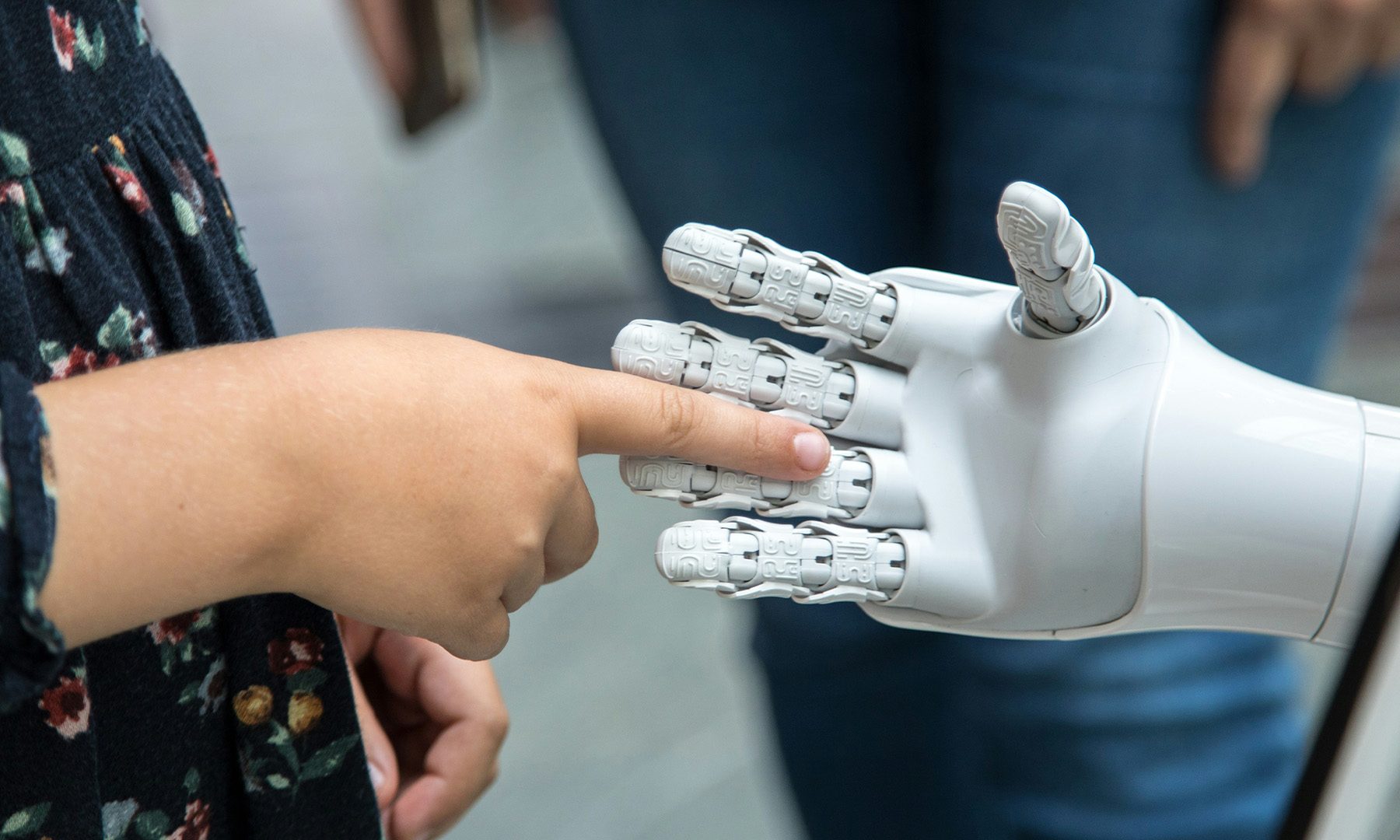
Robot Touch Human Finger

Samsung wants a place in the humanoid race, but its new robotics push begins with machines built for factories rather than homes.

The CEO-led RX robotics division will initially focus on manufacturing robots. Samsung has separately identified humanoids as a priority, although it hasn’t announced a commercial model or explained where one fits into the division’s immediate plans.

Read more
The future of AI may depend on this one behind-the-scenes change
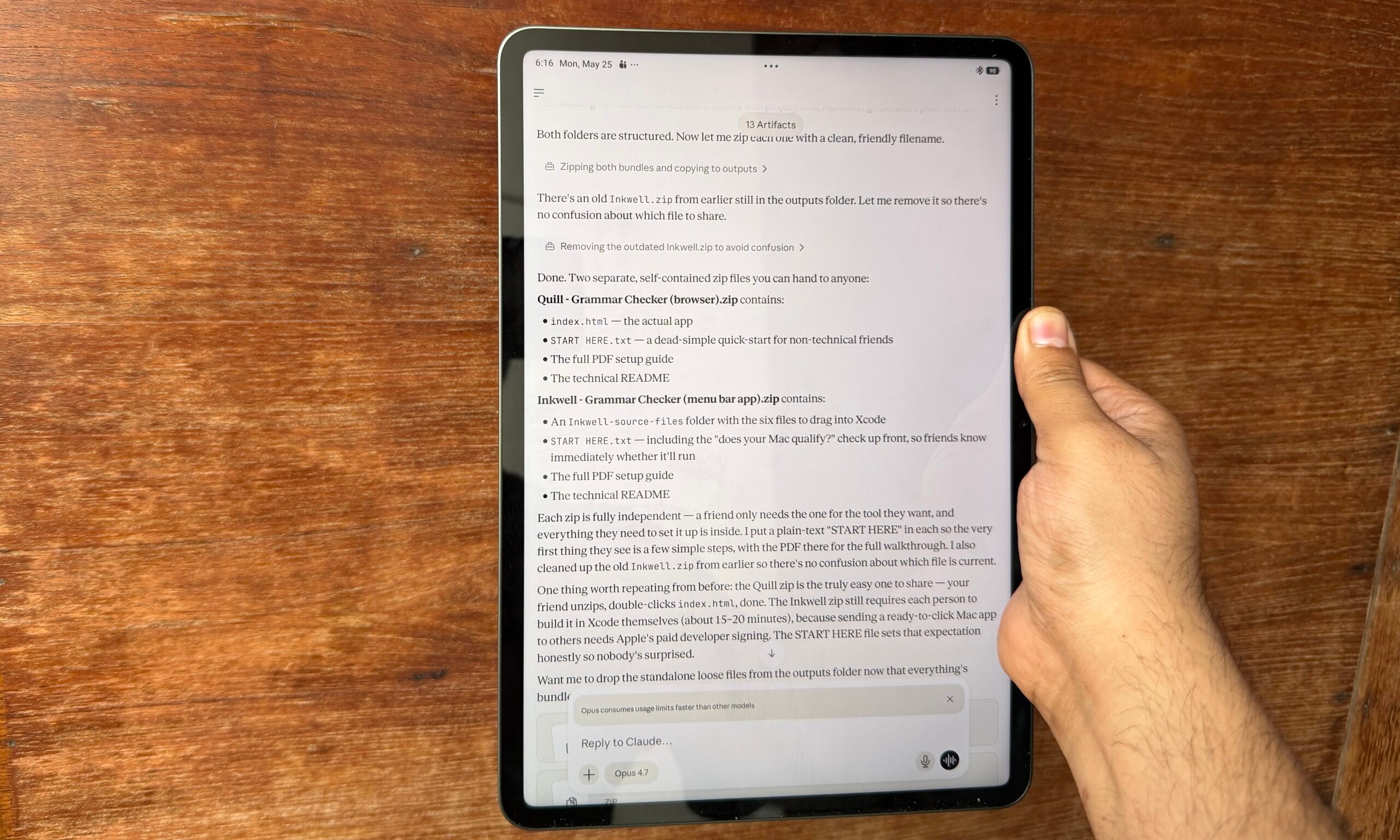
Running Claude on Android.

Whenever a new AI model arrives, it's easy to get caught up in the bells and whistles. We talk about how much smarter it is, how quickly it answers questions, or how realistic its images have become. But here's the thing: none of that matters much if the AI can't reliably work with the apps and services people use every day.

That's why an upcoming update to the Model Context Protocol (MCP) caught my attention. It isn't a new chatbot or a fancy AI model. In fact, most people will never even know it's happening. But it could quietly make the AI ecosystem a lot healthier. If you've never heard of MCP before, don't worry. Think of it as a shared language that lets AI assistants safely talk to apps like Gmail, Slack, calendars, databases, and countless other services. Instead of every company inventing its own way to make those connections, MCP gives everyone a common rulebook.

Read more