1. Home
  2. Gaming
  3. News

The wait is nearly over: 'Mass Effect: Andromeda' arrives March 21

Add as a preferred source on Google

Mass Effect: Andromeda, the highly anticipated next chapter in BioWare’s science fiction series, is arriving sooner than we had anticipated. You’ll be able to get your hands on it for PlayStation 4, Xbox One, and PC on March 21.

The announcement comes just a few hours before BioWare and Nvidia plan to reveal all new gameplay and environments during the latter company’s CES keynote presentation. It will be available to watch live on the Nvidia blog at 9:30 p.m. ET.

Recommended Videos

BioWare general manager Aaryn Flynn revealed that the game is currently in its “holiday build” state, which allows developers to play the game at their homes on PC and consoles — this means that the game is very close to a final, completed state, and shouldn’t suffer a delay of its now-finalized release date. Publisher Electronic Arts didn’t rule out the possibility of a substantial delay back in November, however, when CFO Blake Jorgensen stated that a delay of up to five months could be chosen to deliver the best possible experience.

Though Mass Effect: Andromeda was originally scheduled for a “winter 2016” release window, it was pushed back into 2017 last March. The decision was likely as much about development time as it was avoiding an overcrowded holiday season — in addition to Battlefield 1, the publisher also released the critically acclaimed Titanfall 2, which featured some science fiction elements that wouldn’t be out of place in the Mass Effect series.

Mass Effect: Andromeda takes players away from the story of Commander Shepard and into the distant Andromeda galaxy, where humanity is searching for a new, habitable home. Several races, including the Krogan, make their return from the original trilogy, and the game makes use of a less black-and-white morality system to allow for more natural narrative choices.

Gabe Gurwin
Gabe Gurwin has been playing games since 1997, beginning with the N64 and the Super Nintendo. He began his journalism career…
Virtual taekwondo sounds like a gimmick until it solves the biggest fear of combat sports
The noncontact VR discipline is gaining momentum in Southeast Asia by keeping the athletic grind while reducing the injury risk that scares many people away.
Electronics, Screen, Person

Virtual taekwondo sounds ridiculous in the easiest way. Put on a headset, strap sensors to your body, kick at empty air, and call it a combat sport. Somewhere, Wii Sports is quietly stretching.

Athletes are still kicking, reacting, and gasping through the work. The difference is that the hits land on avatars instead of bodies.

Read more
This VR empathy game could be the start of something much creepier
Rekindle uses face-tracking biometrics to deepen player involvement, but the same idea could eventually shape therapy tools, safety systems, and emotionally responsive interfaces.
VR Headset, Accessories, Goggles

A new VR empathy game called Rekindle turns facial expressions into part of the controls. The game asks players to perform emotions, then watches their faces to see whether those reactions match the scene.

The first-person story centers on memory, identity, and empathy for the LGBTQ+ community. Players move through a dystopian future where sexual identity has been targeted and erased, collecting memory fragments tied to the protagonist’s experience.

Read more
PlayStation’s disc-killing move may have blindsided the very partners keeping its games business alive
Sony’s reported shift away from physical discs allegedly caught publishers, regional teams, and retail partners off guard, turning a gamer ownership fight into a business trust problem.
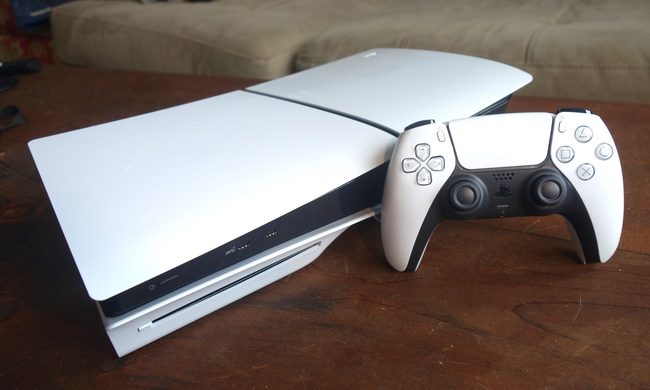
A PS5 sits on a table with a DualSense standing up next to it.

PlayStation’s reported move away from physical discs already looked bad for players who still care about owning games. Now it sounds messy for the companies expected to sell, support, and build around Sony’s ecosystem.

High Chaos Run reports that Sony’s decision to end physical disc production for PS5, and likely PS6 in 2028, came without warning publishers, business partners, or some regional operations. If accurate, Sony didn’t only create another fight over PlayStation discs. It left parts of its own games business catching up after the decision was already public.

Read more