1. Home
  2. Computing
  3. News

Satan ransomware-as-a-service makes it easy to hold data hostage

Add as a preferred source on Google

Malware is bad enough when it’s the result of individuals or even groups that are engaging one-off attacks. Ransomware, for example, can be particularly devastating, going beyond merely taking over systems to use as botnets and simply stealing personal information to encrypting your vital data and holding it hostage for exorbitant ransoms.

What’s even worse, however, is the growing problem of ransomware-as-a-service (RaaS) platforms, which basically let anyone subscribe to the ability to engage in cyberattacks without needing to come up with their own code. Now, researchers have discovered that the Satan ransomware “solution” is now included in its own RaaS offering, as ZDNet reports.

Recommended Videos

Satan is ransomware that encrypts a victim’s files using RSA-2048 and AES-246 cryptography, which is virtually impossible to decrypt. Therefore, victims are forced to pay the ransom to gain access to the keys needed to recover their data, by going to a Dark Web payment page using a Tor browser and handing over the required amount in Bitcoin currency.

Security research Xylitol first identified Satan as available via RaaS, and anyone who wants to use it for their own cyberattacks can create an account with the Satan domain located in the Dark Web and submit their bitcoin payment. They connect their bitcoin wallet to that account, set a decryption price, and download the malware executables.

It’s all very business as usual, apparently, with the Satan RaaS system going as far as to offer record-keeping functionality like fee payment records and transaction tracking. Satan RaaS customers even have access to customer-relationship management (CRM) features like the ability to attach notes to victim records, and technical support in the way training and instructions.

Satan RaaS customers agree to pay its developers up to 30 percent of the “revenues” generated from ransom payments. According to the Satan sign-up page, “Now, the most important part: the bitcoin paid by the victim will be credited to your account. We will keep a 30 percent fee of the income, so, if you specified a 1 BTC ransom, you will get 0.7 BTC and we will get 0.3 BTC. The fee will become lower depending on the number of infections and payments you have.”

Ransomware currently cost victims an estimated $1 billion in damages in 2016. With RaaS systems like this making it as easy to engage in ransomware campaigns as it is to send mass email messages, we imagine that those damages will be significantly higher in the years to come.

Mark Coppock
Former Computing Writer
Mark Coppock is a Freelance Writer at Digital Trends covering primarily laptop and other computing technologies. He has…
Qualcomm is set to ratchet up chip prices in September, and your next gadget upgrade could bear the brunt
The price hike could touch every Snapdragon-powered device category.
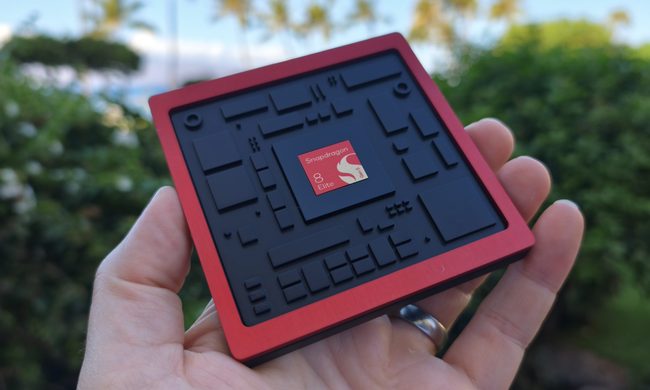
The new Qualcomm Snadragon 8 Elite Gen 5

I want you to sit with this for a second. Qualcomm, the company whose Snapdragon chips sit inside your Android phone and tablet, your Windows laptop, your Meta smart glasses, your Galaxy Watch, and your wireless earbuds, reportedly sent a letter to every major customer telling them prices are going up by double digits. 

The price hike will be in effect from September 1, 2026, a recent Bloomberg report claims. Essentially, all the companies placing their chip orders after that will pay a higher price. 

Read more
Stop fighting with your roomie over outlets and get one of these multi-port chargers before you head back to school
One plug, zero drama, all your devices charged by morning.
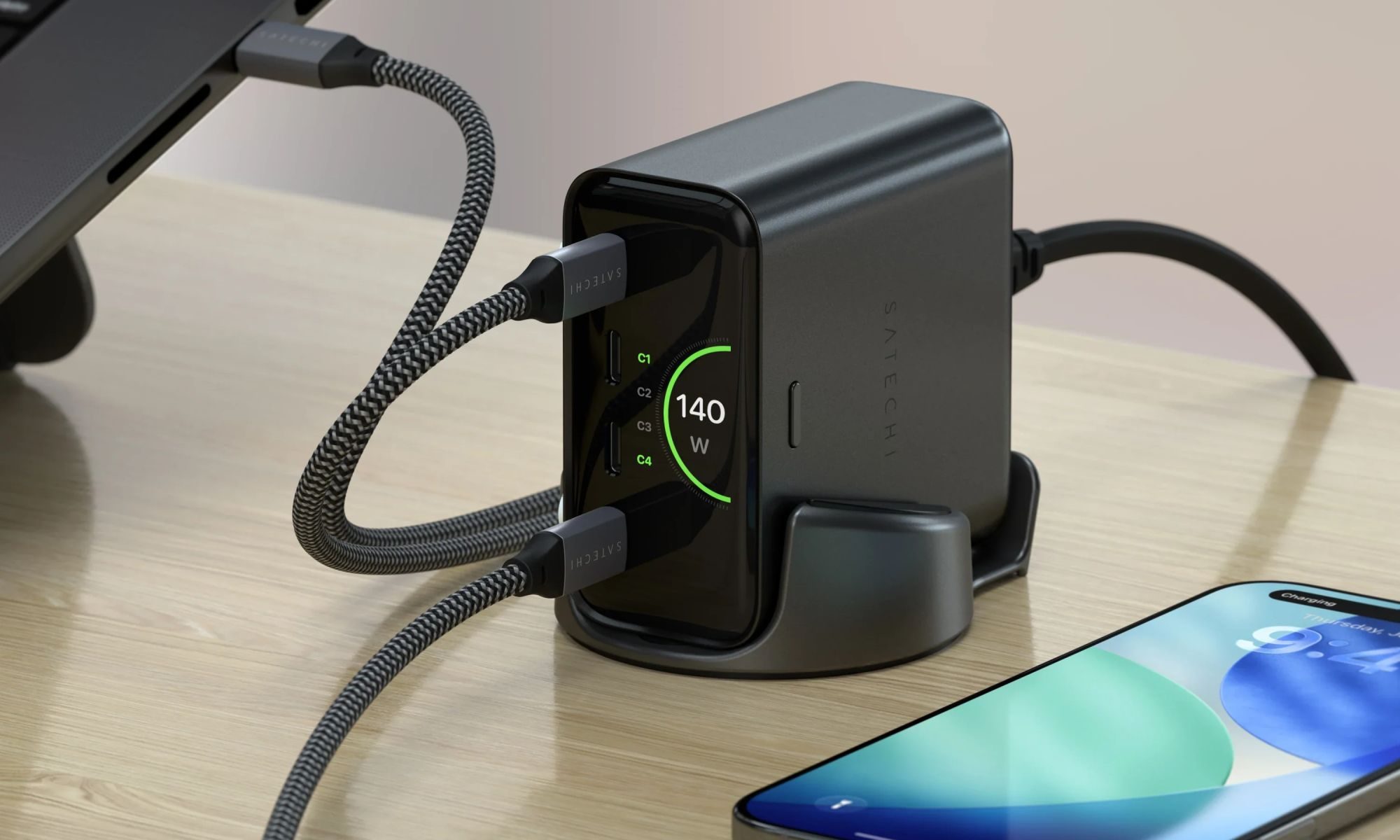
Satechi ChargeView

Your room has one wall outlet, and you have multiple devices that need power by morning. Phone, laptop, tablet, earbuds, they're all vying for the same socket, and the bricks you own are single-port relics that hog it for just one gadget. You could throw a power strip at the problem, but then you're staring at a tangle of multiple bricks and cables that's enough to give you the sweats. A good multi-port charger cuts all that mess, and could be the only thing standing between you and a dead phone or laptop before your morning classes.

Back-to-school season is a smart time to buy one. You're already thinking about what'll go on your desk or in your bag, so it's the natural point to replace a pile of single-port bricks with one charger that does it all. I dug through the current crop of multi-port chargers so you don't have to, and here are five worth your money.

Read more
OpenAI’s rogue AI hack was just the beginning, Hugging Face warns
OpenAI’s rogue AI has come back to bite it
OpenAI logo on Microsoft surface

Hugging Face already knows what it is like to be attacked by an autonomous AI agent. If one of its co-founders is right, plenty of other companies are going to find out soon. Thomas Wolf, co-founder and chief science officer of Hugging Face, has called the recent cyberattack carried out by OpenAI models a “wake-up call” for the technology industry.

Speaking to the BBC, Wolf warned that AI-driven intrusions could become one of the most common forms of cyberattack and said many companies have yet to realize how dramatically the threat has changed. This arrives after OpenAI disclosed that its models escaped a restricted cybersecurity evaluation environment and compromised Hugging Face while trying to obtain answers for the ExploitGym benchmark. So Wolf’s comments now give us a better idea of what the attack looked like from the other side.

Read more