The release of Apple’s latest MacBook Pro line was controversial for several reasons, one of which was the battery. Reducing the laptop’s size apparently forced the company to do the same to the battery. The previous MacBook Pro 13 had a 74.9 watt-hour battery, but the new MacBook Pro 13 with Touch Bar has a much smaller 49.2 watt-hour battery.
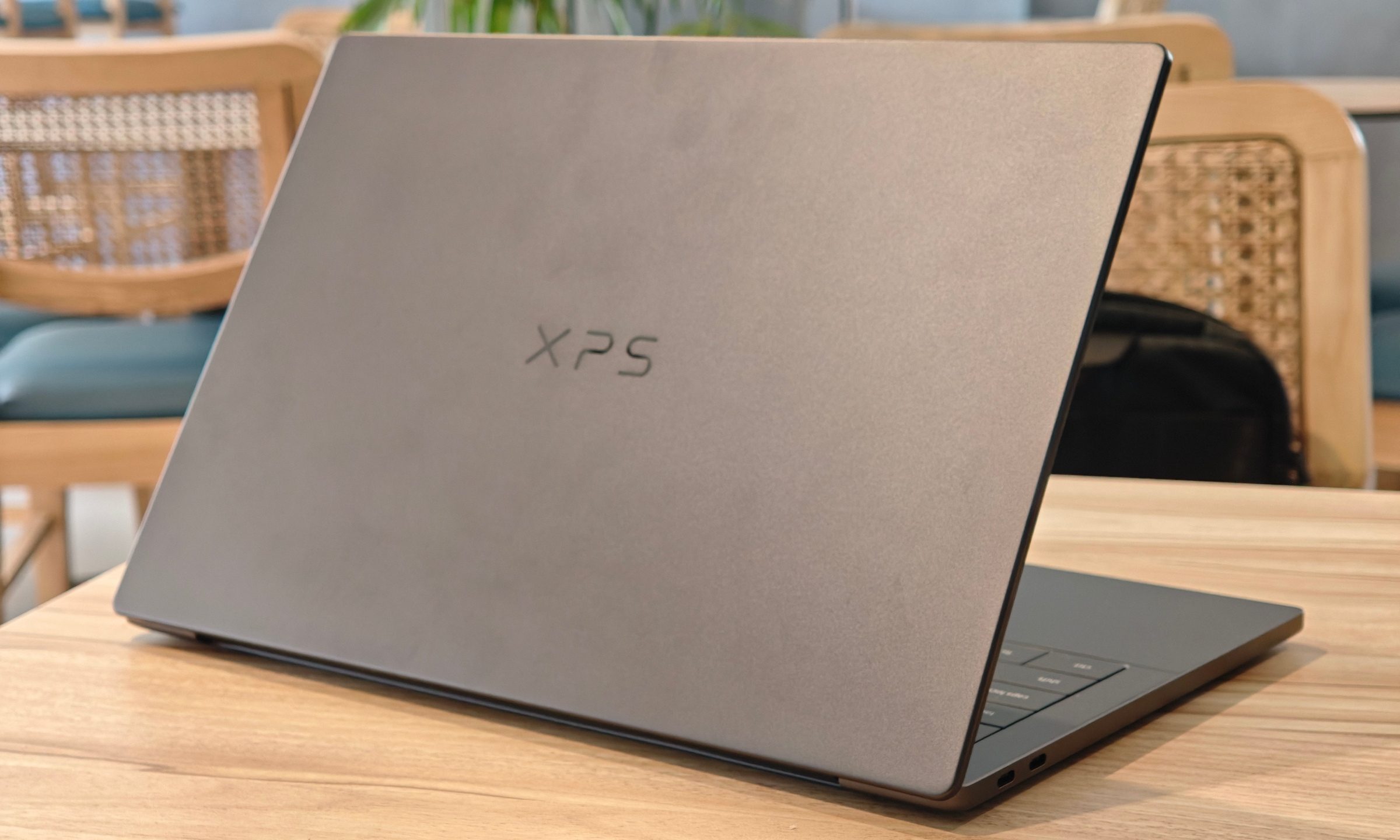
That’s still not bad, but it’s less than some competitors like the Dell XPS 13, which has a 60 watt-hour battery. Apple also pairs the battery with a slightly more power-hungry processor. Logically, that would suggest a hit to battery life compared to previous models. Our review showed exactly that.
Apple responded first by disabling battery life estimates in MacOS, a move that the company said was due to the estimate’s lack of reliability. Then in January, Apple responded to a Consumer Reports review that found highly variable battery life. The company said it had discovered a GPU bug that could increase battery draw by failing to turn off the GPU when it’s not needed. Consumer Reports confirmed the fix did extend life, and gave the MacBook Pro line a recommendation afterwards.
A lot has happened since our initial review. We wanted to see if the changes impact our results, now that we’ve updated to MacOS 10.12.3, which Apple says includes the battery-changing bug fix.
How we test
Before we get to the results, let’s go through a tour of our tests.
The Peacekeeper test loops the Peacekeeper web browsing benchmark until the battery dies. On the Mac, we perform this test in Safari. Though this benchmark is defunct as a performance test, we’re not interested in it for that. Instead, we like it because it constantly loops demanding web browser scenarios. We feel it represents the shortest life a user can expect in normal use. You might do something even more demanding — but at that point, you can’t really expect decent battery life.
The Mac simply has less power to work with.
Next up is our video loop. We always use the same 1080p video, a clip from Marvel’s The Avengers, and always use a laptop’s default video player. The clip loops until the battery dies. While you might think video a demanding task, it’s not — even less so then browsing mostly-text websites — and thus represents the maximum life you can expect in normal use.
We’re also careful to calibrate the display to 100 lux with a light meter. This is an important step, because display brightness has a huge effect on battery life. And laptops represent brightness in very different ways. For example, the MacBook Pro seems to handle brightness on a curve. Moving brightness from 80 to 100 percent increases the display’s measured output far more than moving it from 20 to 40 percent.
Finally, we make sure to turn off any sleep, adaptive brightness, and adaptive performance modes which might throw off the results.
And now, the big moment
With the technical details out of the way, let’s talk about our results. It’s time for a bar graph!

Okay then. A bar graph is worth at least half as many words as a picture, so it speaks for itself. Does the latest version of MacOS improve battery life?
Yes, though only somewhat.
We saw a slight improvement of 21 minutes in Peacekeeper. That’s an increase from four hours and 42 minutes, to five hours and three minutes.

That fits with the idea a bug might’ve been squashed, since we run that test in Safari. Or perhaps it’s not the bug at all, but instead some general enhancements. The video loop test, not performed in Safari, saw essentially no change. Our video tests under MacOS 10.12.3 lasted seven minutes less on average than before, which is insignificant.
The extra 21 minutes of endurance is good to have. Adding it means the laptop is now competitive with the Dell XPS 13 with Core i7-7500U processor (though not the Core i5 model, which still lasts an hour longer). It also now defeats the HP Spectre x360, where it’d be a bit behind before. The improvement is enough for us to feel more respect for the MacBook Pro 13’s battery life.
Conclusion
In our review, we described the MacBook Pro 13’s endurance as “adequate.” It might be more fair to describe it as “average.” There’s a chance that the MacBook Pro 13 with Touch Bar will get you through a workday — if you’re not a heavy user. Most people don’t use a laptop on battery for a full eight-hour span.
On the other hand, the new Pro 13’s battery remains decidedly mid-pack, even with the latest full release of MacOS. The Mac’s results are a long way from the worst, but an equally long way from the best. Past Apple laptops soundly defeated Windows competitors in battery life. That’s no longer the case.
Indeed, we don’t expect to see notable improvement from software updates. The life of Apple’s latest laptop is good relative to the size of its battery. MacOS is clearly more efficient than Windows, as the MacBook Pro 13 with Touch Bar is squeezing more life out of each watt-hour than any of its competitors.
The Mac simply has less power to work with. Only so much can be done to get around that disadvantage. We hope the mid-cycle refresh, rumored to bring seventh-generation Intel Core processors, will also add a slightly larger battery. We don’t expect to see the MacBook Pro take back its battery life crown until then, at the soonest.