1. Home
  2. Phones
  3. Apple
  4. Mobile
  5. News

A recent Apple patent could help you next time you shatter your phone's screen

Add as a preferred source on Google

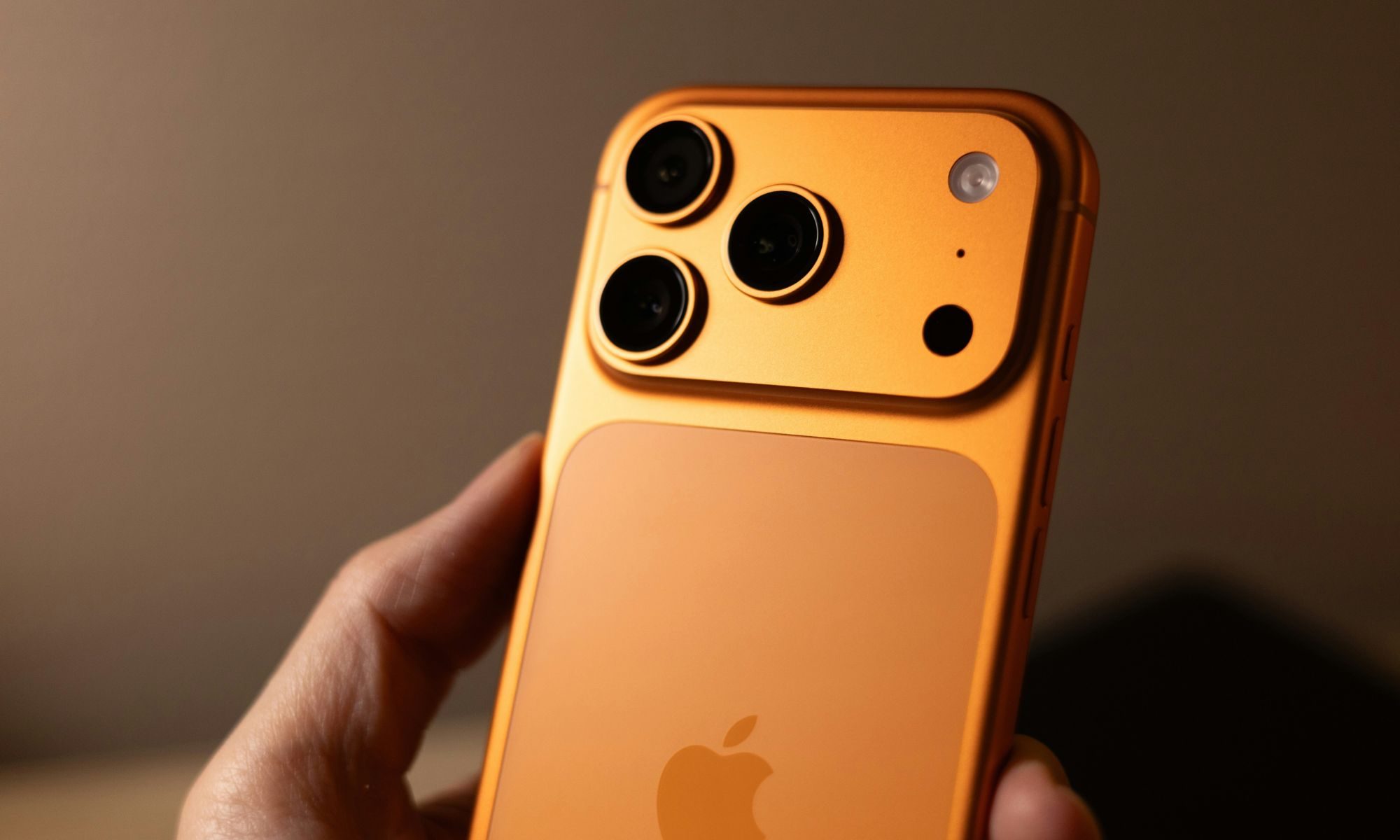
Try as we might to stop it, dropping our smartphones is an inevitability. In spite of manufacturers’ greatest efforts to design more durable devices with materials like Gorilla Glass and aluminum, there is always the potential for a shattered screen — which is precisely why Apple filed a patent to make diagnosing and repairing a busted phone easier.

Patently Apple caught wind of a proposal from mid-2015 that uses sensors to characterize a crack and identify its location on a phone’s cover glass. As always, patents do not guarantee features, but they do serve as clues to what is being considered for future products.

Recommended Videos

There are multiple potential benefits to this idea. First, it would help Apple gain insight as to the circumstances in which its devices break. But, more valuable to the customer, the technology could relay information to the user about how the damage has specifically impacted their phone’s systems.

According to the filing, there are several ways Apple might achieve this. The first involves a sensor grid packed tightly against the cover glass. Once the phone is dropped, data from the accelerometer will detect the shock, triggering analysis of the grid. If a gap is detected, the phone could ask the user to draw a circle around the damage to aid in location. Ideally, however, the system would also be sensitive enough to detect hairline cracks the user couldn’t see.

The second approach involves the distribution of “contact points” across the front of the device, both covering the touchscreen and the non-interactive surface area around it. A change in electrical resistance between those connected points would be characterized as a crack. The system could then refine the location by triangulation. The more contact points, the greater the accuracy.

Many companies, like Motorola and Samsung, responded to the fragility of smartphones by making them stronger through research and development. While continued innovation in building more rugged devices is happening all the time, it may also be helpful, as Apple has suggested, to gather insight regarding the nature of these incidents and when and where they happen. Technology like this could give the user some peace of mind after destroying an expensive smartphone, give technicians critical information that could aid in repair, and ultimately help Apple design more durable products.

Adam Ismail
Former Contributor
Adam’s obsession with tech began at a young age, with a Sega Dreamcast – and he’s been hooked ever since. Previously…
Apple’s next big iPhone display experiment could be its biggest yet
The company may be testing a 6.96-inch panel for a future flagship, although one leaker’s post is currently the only source for the exact measurement
iPhone 17 Pro Max

Apple may be testing a 6.96-inch display for a future iPhone, bringing its largest handset within a whisker of the 7-inch mark.

Leaker Digital Chat Station claims the experimental panel retains the same aspect ratio as Apple’s current Pro Max display. The post mentions the iPhone 20 Pro Max as a possible destination, but doesn’t connect the screen to a finished device. Apple could be exploring the size without putting it anywhere near a production line.

Read more
Vibecoded apps are flooding Apple’s App Store, and users are getting sick of them
App Store submissions have doubled this year as AI tools make it easier than ever to build an app, but downloads haven't kept pace, and for good reason.
Apple App Store homepage on an iPhone

Apple's App Store is in the middle of its steepest submission surge in years. Developers submitted nearly 600,000 new apps last year, marking a 30 percent jump over the previous year. That number has already doubled to roughly 560,000 new apps in just the first six months of this year, according to estimates from analytics firm Sensor Tower cited by the New York Times. The reason behind the spike is vibecoding, which allows people with no prior development experience to create new apps using AI tools.

A familiar boom, with a twist

Read more
Google Photos adds a quick toggle between AI and classic search
Classic search is finally easier to reach for people who enabled Ask Photos
Google's Ask Photos debut.

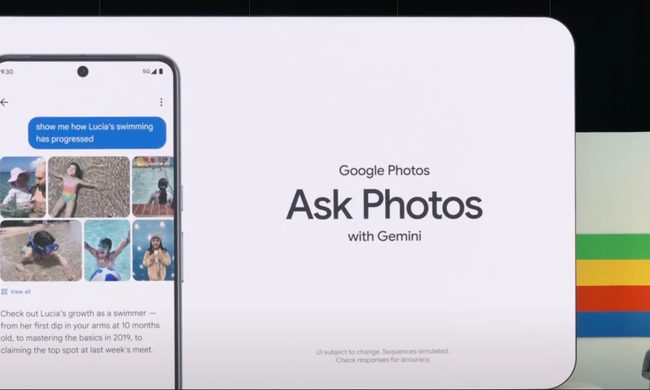
Google Photos is giving users an easier way to leave its Gemini-powered search when a simple keyword would do. A new toggle now sits at the top of the results page, letting users switch between Ask Photos and classic search without digging through settings.

The change appears to address feedback from people who opted into Ask Photos but wanted a quicker way to return to classic search when Gemini was slower or less useful for a straightforward query.

Read more