1. Home
  2. Computing
  3. Web
  4. News

Snooze tabs and report issues with two new Firefox experimental features

Add as a preferred source on Google

Mozilla introduced a Firefox Test Pilot program in May 2016 to give brave users early access to experimental features. Much like with Microsoft’s Windows Insider and other programs, joining the Firefox Test Pilot program lets users try out and provide feedback on features that will eventually make their way to everyone.

It has released two new experimental features that are aimed at making it easier to come back to interesting material later and let Mozilla engineers know about problematic sites. Mozilla covered the details of the new features, SnoozeTabs and Pulse, respectively, in a post on their blog.

Recommended Videos

SnoozeTabs is aimed at overcoming the fact that we often come across just the perfect bit of information on the internet at exactly the wrong time. The new feature lets users time shift browser tabs, mark them as important, and set a specific time and date for them to reappear.

Image used with permission by copyright holder

In order to use SnoozeTabs,  just hit the snooze button in the top right corner and then select a time and date for when you’d like to receive a reminder to bring back the tab. You can select from a list of times, or set the specifics yourself. Snoozed tabs can be managed from the same menu.

The new Pulse feature is focused on making Firefox a better browser. Using Pulse, users can rate the browser’s performance on a given site, letting the Mozilla engineering team know which sites work well with Firefox and which work poorly. To use Pulse, just click on the Pulse button in the address field and answer the questions that pop up.

Image used with permission by copyright holder

If you want to test out these features, you need to be signed up for the Test Pilot program. You can do that here, but note that the program is available in English only. Like all such preview programs, you’ll want to keep in mind that the experimental features can cause issues, and the Test Pilot program makes it easy to turn these features on and off as you like.


Mark Coppock
Former Computing Writer
Mark Coppock is a Freelance Writer at Digital Trends covering primarily laptop and other computing technologies. He has…
Claude’s Sonnet 5 is built to do more on its own and cost you less
Better than its predecessor, nearly as good as the flagship, and meaningfully cheaper than both.
Art, Floral Design, Graphics

Every major AI lab is racing to prove its models can work autonomously with minimal hand-holding; we’re now seeing pricing emerge as the next battleground. 

Anthropic just fired its latest shot, Claude Sonnet 5, a model the company says performs nearly as well as its flagship Opus 4.8 at a fraction of the cost.

Read more
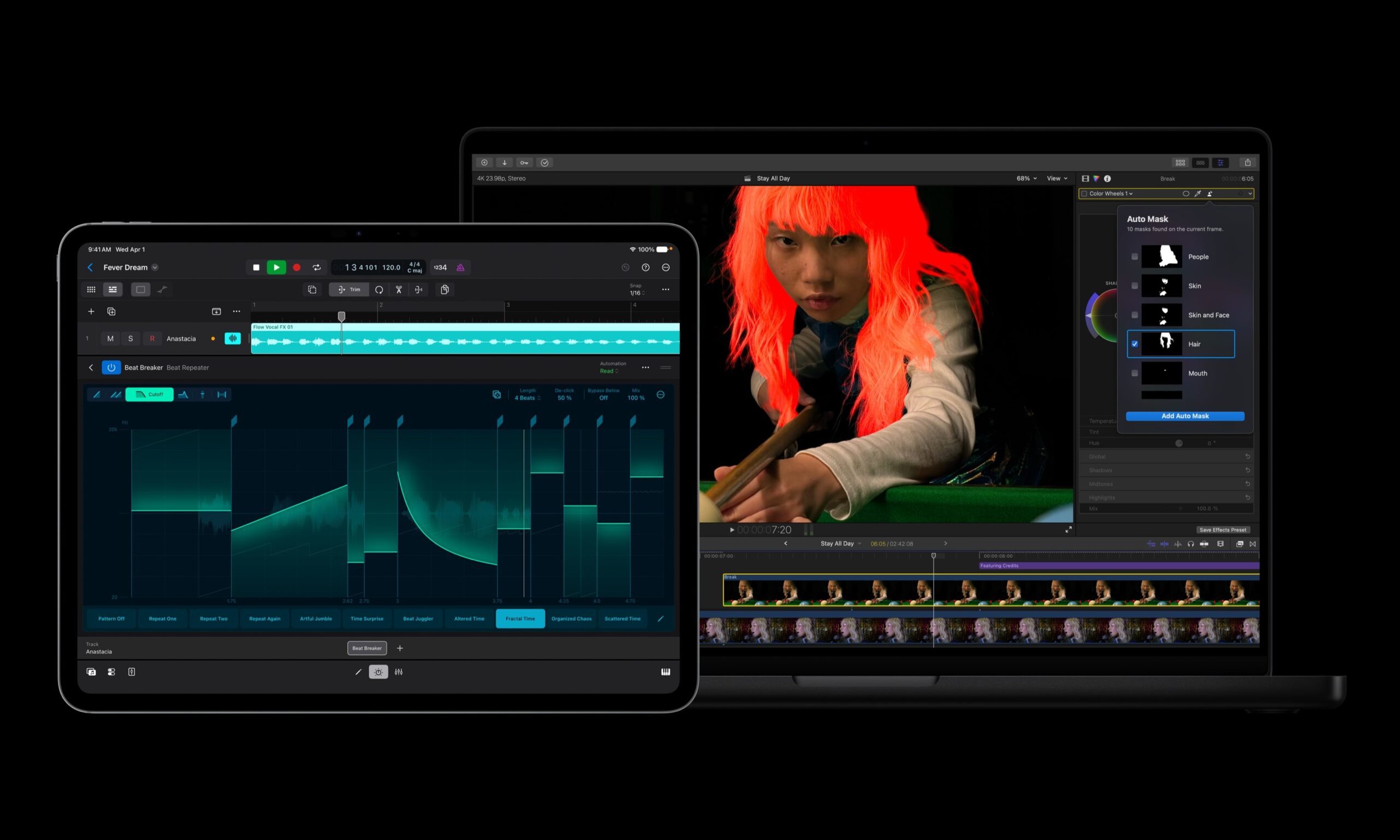
Apple Creator Studio adds AI tools across Final Cut Pro, Logic Pro and Pixelmator Pro
Final Cut Pro gets AI captions, Auto Mask and better Pixelmator Pro workflows in Creator Studio update
Computer Hardware, Electronics, Hardware

Apple has introduced a major update to Apple Creator Studio, adding new AI features, deeper Pixelmator Pro integration, and workflow upgrades across Final Cut Pro, Logic Pro, Keynote, Pages, Numbers, Motion, Compressor, Freeform, and Final Cut Camera.

The update makes Creator Studio more useful across Mac, iPad, and iPhone, especially for people who move between video editing, image editing, presentations, documents, spreadsheets, and music production.

Read more
AI browsers like Perplexity Comet can be tricked into spilling your password through BioShocking exploit
Six AI browsers were found leaking saved passwords and many of them haven't fixed it yet.
MacBook Air in hand, Comet browser loaded—let’s see what Perplexity’s AI can really do

Security researchers just found a strange way to trick AI browsers into handing over your passwords. They managed to trick AI browser agents into exposing sensitive data like saved passwords, session cookies, and private tokens by disguising the theft as part of a harmless "game."

The technique is called BioShocking, named after the popular video game BioShock, where a brainwashed character is manipulated into believing a false reality. Once an AI browser falls for the same trick, it stops following its own safety rules entirely.

Read more