1. Home
  2. Computing
  3. News

Microsoft and Google paying more than ever for bugs found in their systems

Add as a preferred source on Google

If you’re a coder or other highly technical sort who can dig into a system and find bugs, then you can turn that skill into some cash. Developers big and small, including major players like Google and Microsoft, have programs that will pay you real money for discovering flaws and vulnerabilities in their systems.

Both Google and Microsoft recently decided to up ante in their bounty programs, jacking up the amount they pay people for finding bugs. Google made the first increase, and then Microsoft literally doubled down on its own program, as FossBeta reports.

Recommended Videos

Google increased its largest award level to $31,337 for anyone identifying a remote code execution vulnerability. That’s a more than 50 percent increase from the previous cap of $20,000. Unrestricted file system or database access bugs can bring the successful bounty hunter between $10,000 and $13,337.

Google Application Security Blog

Google’s bounty program pays out for vulnerabilities discovered in various Google properties such as Google Search, the Chrome web store, Google play, and more. Some of the specific bugs that Google is looking for are command injections, deserialization flaws, and sandbox escapes.

Microsoft is looking for cross site-scripting, cross-site request forgery, and a variety of other flaws in its systems. The company has recently suffered some zero-day bugs identified and publicized by the Google Zero program before it could fix them, which might be part of the reason why Microsoft doubled its bug bounty from $15,000 to $30,000.

Security is big business, as is cybercrime. Hackers can make tons of money exploiting systems and then selling the private information they’re able to steal, and bug bounty programs like Google’s and Microsoft’s help even the playing field.

Mark Coppock
Former Computing Writer
Mark Coppock is a Freelance Writer at Digital Trends covering primarily laptop and other computing technologies. He has…
How to install macOS 27 Golden Gate public beta on your Mac?
From a smarter Siri to a more reliable Spotlight, here's your full walkthrough for installing macOS 27 Golden Gate's public beta today.
macOS 27 Golden Gate

Along with iOS 27’s public beta, Apple has also released macOS 27 Golden Gate’s public beta build, so that early adopters can get their hands on the new features, including Siri AI, and provide timely feedback to help ensure a stable iOS launch in September. 

If you’re sold on all the new features but don’t want to put your faithful MacBook through developer beta duty, a public beta offers a much more refined experience. To install macOS 27’s public beta, follow the steps given below. 

Read more
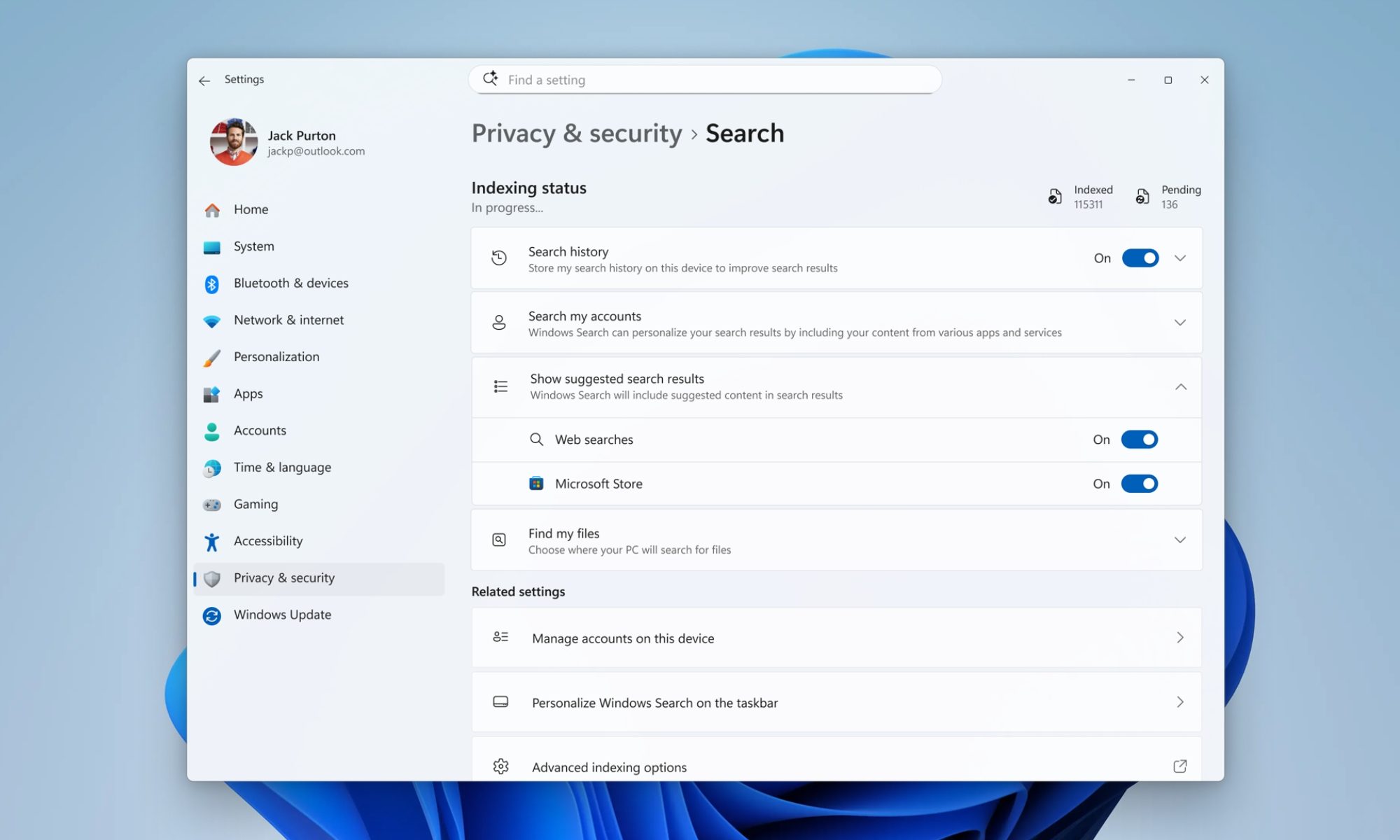
Microsoft is finally fixing the worst thing about Windows Search, but you can’t try it just yet
Windows Insiders in the Experimental channel are getting a Search experience that finally feels less of a billboard and more of what users actually need.
Page, Text, Person

Windows Search has been a mess for years, and I do not use that word lightly. Open it to find a file, and you get trending Bing topics, Microsoft Store promotions, and an AI tools tile that just opens a browser. 

That is changing, but not immediately for all users. Microsoft is rolling out a batch of Windows Search improvements to Insiders in the Experimental channel, and for once, this isn't just a fresh coat of paint.

Read more
Apple doesn’t want to share this AirPods feature with Meta, but the EU may force its hand
Spring 2027, EU only, built under DMA pressure.
The front of the Ray-Ban Meta smartglasses.

I’ve been an AirPods user for the last four years, and one of the things that makes it genuinely hard to leave behind is the seamless, almost magical pairing experience across devices. Open an AirPods case near your iPhone, and a pop-up appears within seconds. Switch to your Mac and the audio follows. 

However, the experience is limited only to Apple devices. Doesn’t matter whether you have one of the coolest pieces of tech on the market right now; if it’s not Apple, it won’t get the same treatment. However, that might change for the Meta Quest or the Ray-Ban Meta glasses, thanks to pressure from the EU. 

Read more