1. Home
  2. Wearables
  3. Mobile
  4. News

Strap this wearable to your head for better rest, less stress, and fast relaxation

Add as a preferred source on Google

Thync, the company behind the fascinating neurostimulation wearable of the same name, is back, and this time it’s only concerned with helping us relax. The original Thync, which was worn on the forehead, can be used to stimulate the brain to either help us calm down or increase focus at a time when it’s needed. The new Thync Relax Pro uses enhanced technology based on the original version, but only for the purposes of promoting relaxation and good sleep.

The new Thync module attaches to the back of your neck, using disposable electrode pads, and is controlled by a smartphone app. There are two modes, Thync Deep Relax and Thync Deep Sleep. It uses low-level electrical stimulation patterns to manipulate your body into lowering stress, improving your mood, and boosting the quality of sleep.

More: Our review of the original Thync

Recommended Videos

We met with Thync CEO Isy Goldwasser last year for a sneak preview of a device called the Thync Relax. The Thync Relax Pro takes essentially the same neurostimulation app modes we tried at the time, and links them to a more compact wearable module that’s closer to the original design. Goldwasser told us at the time that most people using Thync chose the programs that relaxed them over those that boosted energy and focus. Making a Thync product dedicated to that makes sense.

If you’re concerned about strapping an electrical device to your head and letting it send some stimulating waves through your brain, don’t worry — the technology is safe and has been used for many years, with almost no side effects at all. In our experience with Thync and the prototype Thync Relax, we found that it really works.

Thync has revised its pricing strategy with the Relax Pro. You pay $150 up front for the device, and then $30 each month to access the app and receive the Thync Pad packs. These contain the electrodes that make the Thync work, and are really only good for one or two uses before they need replacing.

We’re confirming the release date, and where it’ll be available. We’ll provide an update here when we have all the details.

Andy Boxall
Andy has written about mobile technology for almost a decade. From 2G to 5G and smartphone to smartwatch, Andy knows tech.
Shopping for back-to-school? These are the smartwatches I’d actually wear to class
From a $69 wrist companion to the newest Apple Watch, these are the smartwatches worth strapping on this semester.
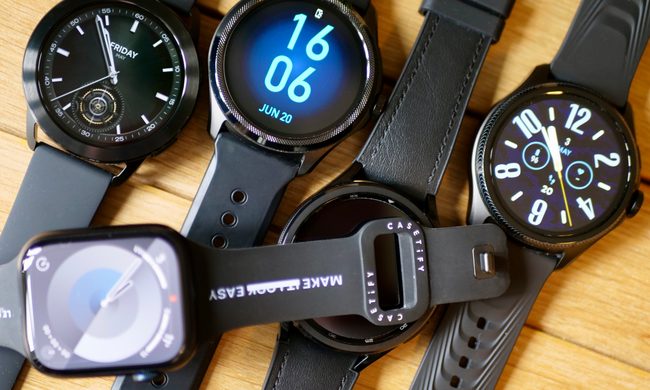
Different smartwatch models with displays illuminated.

Between early classes, evening workouts, late study sessions, and everything in between, a smartwatch can do a lot of the mental math a student doesn't have time for. Whether it's tracking sleep, reminding you to move, or keeping notifications off your phone during lectures, a good smartwatch can be both a silent organizer and a health tracker for students. 

If you’re in the market for a new smartwatch this back-to-school season, I’ve got seven recommendations for you, each with a few unique aspects. From a $69 budget pick to the newest Apple Watch, every one of them earns its keep, so the only real decision left is which features matter most to you.

Read more
Qualcomm is set to ratchet up chip prices in September, and your next gadget upgrade could bear the brunt
The price hike could touch every Snapdragon-powered device category.
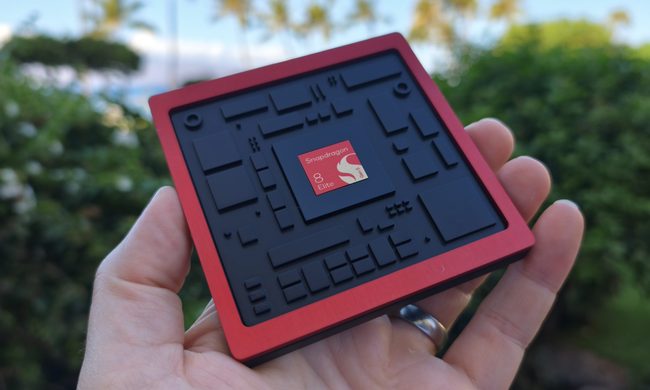
The new Qualcomm Snadragon 8 Elite Gen 5

I want you to sit with this for a second. Qualcomm, the company whose Snapdragon chips sit inside your Android phone and tablet, your Windows laptop, your Meta smart glasses, your Galaxy Watch, and your wireless earbuds, reportedly sent a letter to every major customer telling them prices are going up by double digits. 

The price hike will be in effect from September 1, 2026, a recent Bloomberg report claims. Essentially, all the companies placing their chip orders after that will pay a higher price. 

Read more
Slacked off all summer? Here are 3 fitness trackers that’ll help you stay accountable as you head back to school
Three trackers, three price points, three totally different approaches to keeping you honest about your own goals.
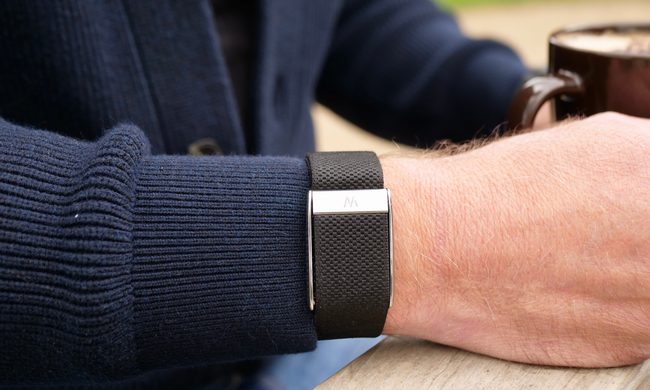
A person wearing the Whoop 5.0.

Summer break did what it usually does. Your sleep schedule drifted, workouts happened less often than you'd hoped, and by the time August rolled around, you were feeling it. You've got a plan to get back on track once the school year starts and your days have more structure, but you know how that usually goes. The first two weeks are solid, then the routine quietly slips.

A fitness tracker won't get you off your couch. What it will do is put a number in front of you every day, one that makes it obvious whether you stuck to your goal or slacked off. That small bit of visibility is often the difference between meaning to work out and actually doing it. Back-to-school season is a good time to buy in, since you're already resetting more than one part of your routine, and the overlap makes the habit more likely to stick. To keep the odds in your favor, here are three fitness trackers that can help you stay accountable and actually hit your goals.

Read more