1. Home
  2. Wearables
  3. News

Fitbit and Pixel Watch can now recognize more than 100 activities automatically

Google is expanding automatic activity detection from 10 exercises to more than 100.

Add as a preferred source on Google
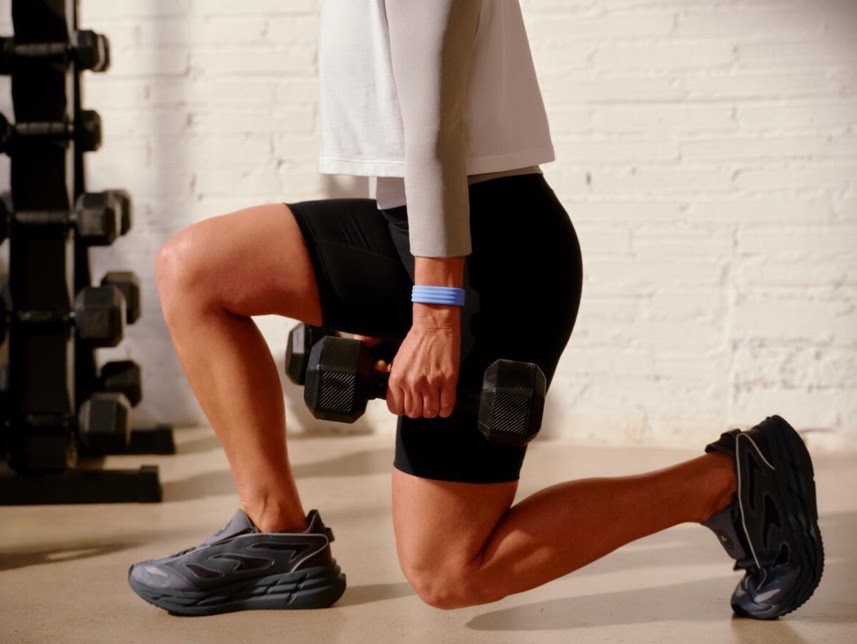
Body Part, Knee, Person
Google

We buy fitness bands and activity trackers to keep tabs on our exercise, but it is easy to forget to start tracking or switch modes when moving between different activities. For Fitbit and Pixel Watch users, that could soon become a lot less annoying, as Google is rolling out a major upgrade to automatic activity tracking that can recognize more than 100 types of exercise, up from just 10 before.

Google first showed off the improved tracking earlier this month alongside the Fitbit Edge. It is now coming to Fitbit Air and the Pixel Watch 3, 4, and 5, and Google claims the added context behind the system makes workout detection nearly twice as accurate while cutting missed activities by more than half. Fitbit Edge will support it too.

It looks at more than just your movement

Google Health can consider your usual exercise routines, activity history, previous manual corrections, and, if you allow it, your location when figuring out what you are doing. The expanded list includes strength training, swimming, racket and team sports, cardio machines, golf, and high-intensity workouts. Sessions that meet your minimum duration, set to 15 minutes by default, and maintain an elevated heart rate can be logged automatically. A summary should arrive in Google Health within about 30 minutes. Correcting a wrongly detected activity also helps the system learn your patterns for future sessions.

According to 9to5Google, the feature is arriving through Google Health 5.11, which is already widely available on iOS and still rolling out on Android. Users receiving the upgrade are also seeing a new setup screen for expanded activity detection.

Fitbit Air is getting another health upgrade

Google is also bringing Health Guardian to Fitbit Air later this month for Google Health Premium subscribers. It can track blood pressure and insulin resistance trends and provide a report at the beginning of each month for users who meet the required wear time. Google Health Coach can then use those patterns to adjust fitness and wellness guidance.

Sudhanshu Kumar Mangalam
Sudhanshu Kumar Manglam is a tech journalist at Digital Trends, where he covers consumer technology, science, and games.
Wear OS is borrowing your phone’s status bar so you never lose track of time
Your smartwatch is finally getting the one thing it was weirdly missing.
The Pixel Watch on a person's wrist.

If you have ever opened an app on your Wear OS smartwatch and had no idea what time it was, Google is working on a fix. In October, the company launched a Wear OS canary emulator inside Android Studio. It lets developers try out new features and design tweaks well before Google ships them to anyone’s wrist.

The biggest addition in this build is a status bar that never leaves. It lives at the top edge of your round watch face, floats above whatever app you have open, and keeps the clock and your watch’s status icons in view. 

Read more
Samsung’s first AI glasses could arrive in December, but only in two countries
Samsung's Gemini-powered glasses might be arriving a little later than expected, and most countries will have to wait even longer.
Samsung AI Glasses

Samsung's first AI-powered smart glasses are finally getting closer to store shelves. According to a new report from South Korea's ChosunBiz, the company is planning to launch its Intelligent Eyewear in mid-December, and if you're waiting to get your hands on them outside the US or South Korea, you might be disappointed.

For those catching up, we reported earlier in October that Samsung was planning a November launch. However, the latest report suggests the release has been pushed back by a few weeks. Samsung hasn't officially confirmed the new date, and there's still no word on how much the glasses will cost.

Read more
Senators send stern letter to Meta over privacy risks from AI camera glasses
Meta's camera glasses are under fire over disturbing privacy allegations.
Person wearing glasses with a camera

US Senators Ron Wyden and Edward Markey have sent Mark Zuckerberg a rather scathing letter over Meta's camera glasses. They've accused the company of launching a product "tailor-made for invading the privacy of its users and bystanders." And looking at the incidents they cite, it's not hard to understand why. Meta has until November 25 to respond.

Meta knew about the risks before launching its glasses

Read more