1. Home
  2. Computing
  3. Web
  4. Legacy Archives

Microsoft and Yahoo Finally Tie the Knot on Search

Add as a preferred source on Google
Bing logo
Image used with permission by copyright holder

It’s been a long time coming—since July of 2009—but Microsoft and Yahoo have finally finalized the details of their long-term search partnership. Curiously, the companies are not sharing many of those details, although the broad strokes of the agreement have been public for many months. By partnering up, Microsoft hopes to increase its share of the Internet search market versus Google; Yahoo, in turn, gets an infusion of cold hard cash to bolster its bottom line via a revenue sharing agreement for traffic generated from Yahoo’s sites and services.

“Microsoft and Yahoo believe that this deal will create a sustainable and more compelling alternative in search that can provide consumers, advertisers and publishers real choice, better value, and more innovation,” the companies said in a joint statement. “Yahoo and Microsoft welcome the broad support the deal has received from key players in the advertising industry and remain hopeful that the closing of the transaction can occur in early 2010.”

Recommended Videos

The deal must now get regulatory approval in both the United States and the European Union; although no major hurdles are expected, the approvals won’t come until sometime in 2010.

The Microsoft-Yahoo partnership has a period of 10 years—an eternity in Internet time. Under the deal, Microsoft’s Bing search engine will become the default search provider for all Yahoo sites. Although each company will continue to operate its own display advertising business, Yahoo will handle both companies’ premium search advertisers and Microsoft’s AdCenter program will handle self-service advertising for both companies. Yahoo will also earn money from a revenue sharing deal with Microsoft for traffic generated from Yahoo’s network of sites and services. However, rather than ceding all search functionality to Bing, Yahoo will continue to “own” the search experience on its own sites, and promises to continue innovating in the field of Internet search, even though the back end will be Microsoft technology.

At the time the deal was initially announced, Yahoo estimated the agreement would bring Yahoo about $500 million a year in revenue, in addition to saving the company some $200 million a year in costs and operating expenses.

Geoff Duncan
Former Contributor
Geoff Duncan writes, programs, edits, plays music, and delights in making software misbehave. He's probably the only member…
I hope Apple keeps the MacBook Neo away from the AI hype and preserves its true identity
The cheapest MacBook beats the cheapest AI MacBook.
Computer, Electronics, Laptop

If there's one thing that has disrupted consumer tech economics over the last year while changing how we understand and recommend products, it's the ever-rising cost of memory and chips. 

The desperate need to scale up AI infrastructure has pushed major manufacturers to prioritize enterprise demand, leaving everyday consumers with far fewer choices. Those available cost significantly more than they did a year ago.

Read more
I let Radial menu take over my Mac, and I’m never going back
One mouse jiggle, endless shortcuts. My Mac has never felt this fast.
Radial app running on Mac

I have been testing Radial for the past week, and it's quickly become one of those apps I didn’t know how I could live without. It's a radial menu for macOS that puts your shortcuts, scripts, and automations right where your cursor is, so you never have to go hunting through menus to find what you need.

The app just received its 5.0 update, adding AI actions powered by Claude, window layouts, variables, a redesigned settings interface, a new Atmosphere background effect, and a squircle menu shape. I got to try most of these, and here's what I found.

Read more
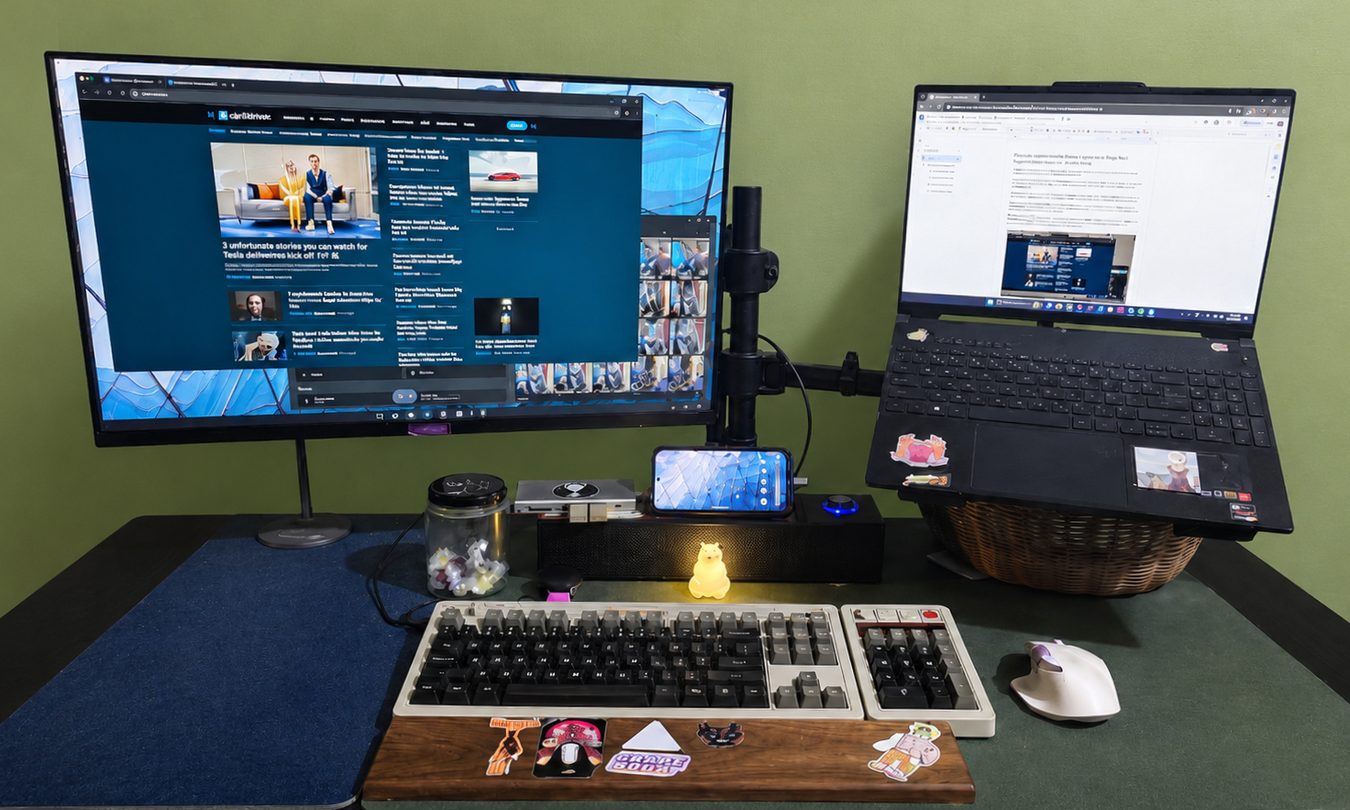
Android desktop mode made me miss my laptop in record time
I tried writing and publishing from Google’s phone-to-monitor setup, and the future of mobile computing immediately started sweating.
Computer, Electronics, Laptop

Android 17 desktop mode has a very simple pitch. Plug your phone into a monitor, add a keyboard and mouse, and watch the slab in your pocket pretend to be a computer. I wanted to give that pitch a fair shot, so I tried using it for an actual workday instead of a cute demo.

The goal was boring on purpose: write an article, edit it, build the page in WordPress, upload whatever needed uploading, and publish the thing without running back to my laptop like a coward.

Read more