
  1. Home
  2. Emerging Tech
  3. Legacy Archives

Fusion Garage’s Joo Joo Tablet Carries $499 Price Tag

Add as a preferred source on Google

Aside from the mythical Apple tablet, few non-existent devices have generated quite the buzz of the so-called CrunchPad, a device allegedly dreamed up by controversial TechCrunch blogger Mark Arrington so he could surf the net from his couch. Hardware engineering had been underway on the CrunchPad for some time—with Arrington repeatedly lauding its virtues and promising rock-bottom price tags—when the whole project seemed to go pear-shaped last week, with Arrington declaring the project dead and partners Fusion Garage apparently planning to move ahead with the device on their own. Today, Fusion Garage is making good on that, teasing a tablet device it is calling The Joo Joo that promises to put Web browsing on a large, lightweight touchscreen tablet.
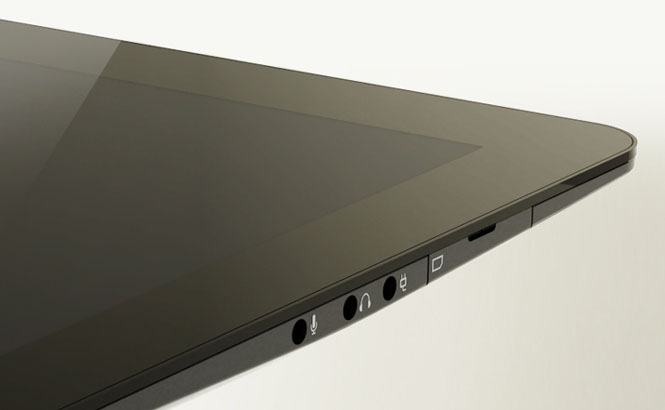
Fusion Garage Joo Joo
Image used with permission by copyright holder

Although details are still a bit sketchy, Fusion Garage describes the Joo Joo as a tablet device with a 12.1-inch capacitive touch screen display; the Joo Joo runs a Unix operating system and boots directly into a Web browser in under 10 seconds—no other applications are available on the device, although of course users will be able to run Web-based applications. The device connects to the Internet via Wi-Fi—no mobile data service is available—and the device features a 4 GB SSD for storage, microphone and headphone jacks, as well as microSD storage. The device weighs about 2.4 pounds and promises 5 hours of use on a single battery charge.

Recommended Videos

Fusion Garage will launch pre-orders for the Joo Joo on December 11, with a $499 price tag.

The legal wrangling between Fusion Garage and Mark Arrington seems to be just be getting started. In declaring the project dead, Arrington accused Fusion Garage of stealing its intellectual property, claiming that the companies worked together on the product and neither TechCrunch nor Fusion Garage owned the IP behind the tablet outright. Fusion Garage claims that it has sole ownership of the device, which was already underway before Arrington began musing about his dream Internet tablet, and there was no contractual relationship between the two companies. The whole brouhaha may well be a legitimate legal tussle, a publicity stunt to garner attention leading up to the launch of the device…or perhaps both.
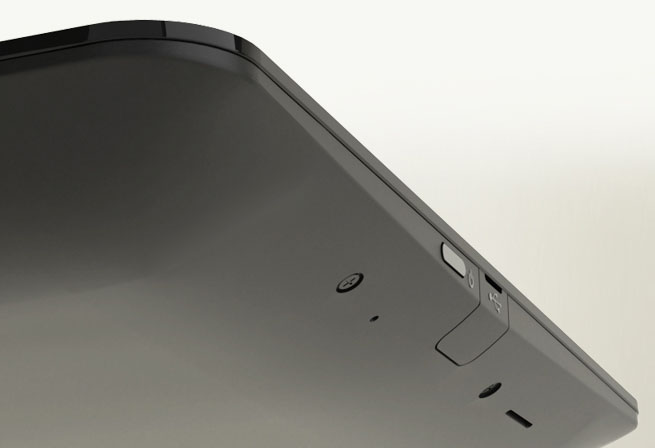
Fusion Garage Joo Joo
Image used with permission by copyright holder
Geoff Duncan
Former Contributor
Geoff Duncan writes, programs, edits, plays music, and delights in making software misbehave. He's probably the only member…
Starlink V5 is here, and it’s lighter, smarter, and far more efficient
The next-generation satellite internet kit promises improved efficiency while maintaining high-speed connectivity.
Starlink V4 vs V5

Not every hardware upgrade needs to be about speed. With Starlink V5, SpaceX is betting that a lighter design and lower power consumption matter just as much. The company has officially introduced its next-generation Starlink V5 kit, featuring a smaller and lighter design with significantly improved power efficiency.

Smaller, lighter, and far more efficient

Read more
Frontier joins the Starlink club with high-speed in-flight internet
The carrier plans to roll out SpaceX's satellite-powered Wi-Fi across its fleet starting in 2027.
Frontier Starlink partnership featured

If there's one thing budget airlines aren't exactly known for, it's great onboard Wi-Fi. In Frontier Airlines' case, it hasn't offered in-flight internet at all. That's about to change. Frontier Airlines has announced a partnership with SpaceX's Starlink to bring high-speed, low-latency internet across its fleet. Installations will begin in early 2027, making Frontier the first ultra-low-cost carrier in the United States to adopt Starlink's satellite-powered connectivity.

Streaming, browsing, and even gaming at 35,000 feet

Read more
OpenAI’s first hardware product sounds more like a companion than a speaker
The AI company is reportedly building a mobile home device that understands context and proactively helps users.
OpenAI press image

For months, rumors have suggested that OpenAI's first hardware product could be a wearable AI device, or perhaps even the beginning of its long-term smartphone ambitions. As it turns out, the company's first gadget may be something far simpler, yet arguably far more ambitious. It will help control smart-home appliances, play media, answer questions, respond to messages, and tap into the range of capabilities offered by OpenAI's ChatGPT, according to people familiar with the matter.

OpenAI's first AI device could end up being a speaker, following plenty of hype that the company is actually working on a wearable AI device and might even launch a smartphone down the road. According to a Bloomberg report, the speaker will serve as a human-like AI companion that will integrate directly with the smart home ecosystem.

Read more