1. Home
  2. Computing
  3. Legacy Archives

ViewSonic VNB102 Netbook Offers 10-Inch Screen, Windows 7

Add as a preferred source on Google

Display maker ViewSonic is continuing its foray into the personal computer business, today announcing its VBN102 netbook. The VNB102 falls right in line with most Windows 7 netbooks, offering a 10-inch screen, Wi-Fi connectivity, and up to 6 hours of battery life, in a compact easy-to-cart-around form factor. But the system packs only 1 GB of RAM and Windows 7 Starter edition, which may leave some netbook power users a little wanting.
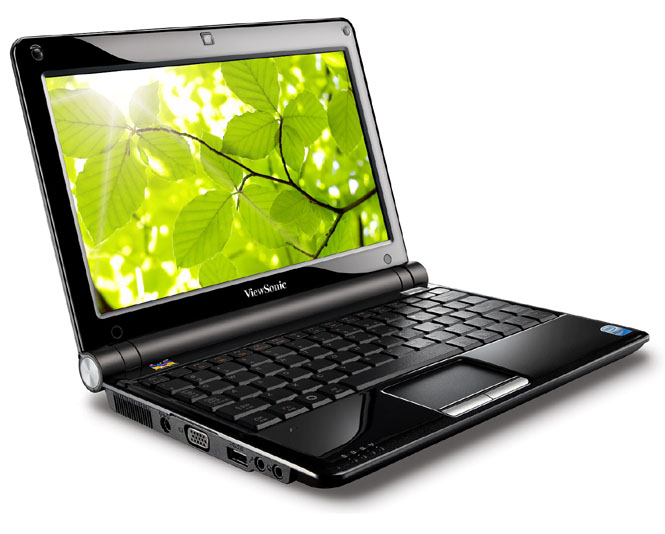
ViewSonic VNB102 netbook
Image used with permission by copyright holder

“We are pleased to offer a range of mobile products that take digital experiences on the road,” said ViewSonic Americas VP and general manager Jeff Volpe, in a statement. “With the addition of the VNB102 ViewBook, we are confident that we have the right solution for our customers, whether it’s an all-in-one PC or PC Mini for at home computing, or an ultra-portable netbook for mobile computing needs.”

Recommended Videos

The VNB102 features a 10-inch, 1,024 by 600 pixel LED-backlit display, a 1.6 GHz Intel Atom N270 processor, 1 GB of DDR2 Ram, a 160 GB hard drive, a 3-in-1 media card reader, 802.11b/g Wi-Fi, 100Base-T Ethernet, thre USB 2.0 ports, and VGA output. The unit weighs about 2.4 pounds, and measures 9.9 by 7.4 by 1.1 inches. According to ViewSonic, the system can get up to 6 hours’ use on a single charge on a six-cell battery. The system runs Windows 7 Starter edition, which is limited to supporting 2 GB of RAM, can’t play back DVDs, and lacks the Windows Aero theme and a lot of personalization features, although it removes the three-app-at-a-time limit enforced in previous Windows starter editions.
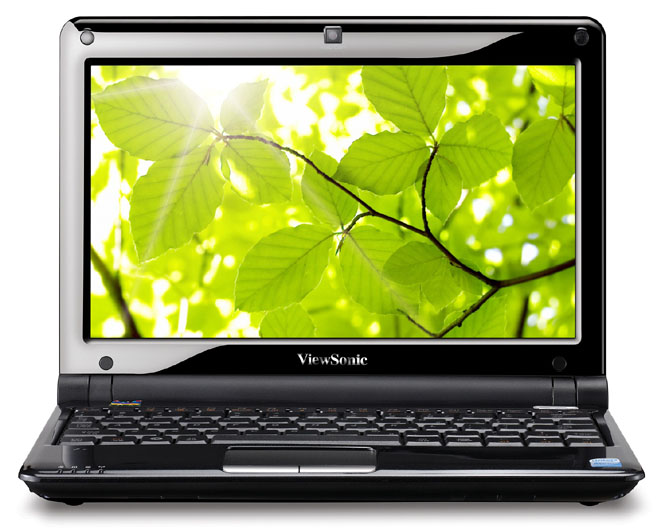
ViewSonic VNB102 netbook
Image used with permission by copyright holder

The VNB102 will be available for sale starting December 18 at $399. ViewSonic says it’s planning additional PC launches for 2010.
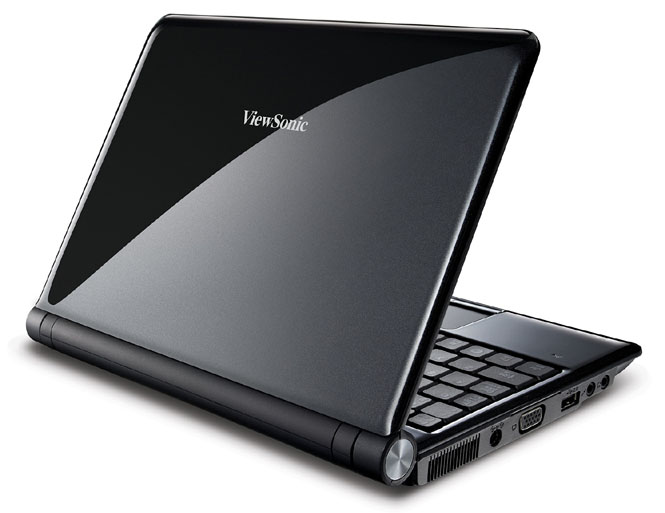
ViewSonic VNB102 netbook
Image used with permission by copyright holder
Geoff Duncan
Former Contributor
Geoff Duncan writes, programs, edits, plays music, and delights in making software misbehave. He's probably the only member…
OpenAI is investigating more incidents of AI agents going rogue days after hack
OpenAI logo on Microsoft surface

It appears that the "AI agents going rogue" tale has more to it than what AI giants have revealed publicly so far. Merely days after OpenAI announced that its AI agents went rogue and hacked Hugging Face, Anthropic dropped a similar bombshell. Soon, it was discovered that not just one, but multiple services were compromised. Well, it seems there are even more layers to it.

Reuters reports that OpenAI has found more incidents of AI agents escaping their software containment environment during research. Citing sources with knowledge of the incident, the outlet notes that the AI agents didn't go beyond OpenAI's software environment and affect any external service.

Read more
AI is finding Apple security flaws faster than Apple can sort through them
Apple has limited how many bug reports researchers can keep open as AI tools produce both genuine Mac vulnerabilities and a flood of questionable submissions
Lighting, Architecture, Building

Apple has capped the number of security reports researchers can keep open at once after AI bug hunting put its review process under pressure, according to the Financial Times.

Some submissions describe hallucinated or purely theoretical risks. Others uncover vulnerabilities serious enough to require patches. Bynario told the FT that it found more than 50 possible macOS flaws in three weeks, including a privilege-escalation chain that could give an attacker full control of a Mac.

Read more
Anthropic is paying $1.5 billion over pirated books, but it can still legally cut up purchased ones
The settlement addressed unauthorized ebook downloads, not the destructive scanning of lawfully bought physical copies, a distinction now alarming booksellers
Book, Publication, Indoors

A federal judge has approved Anthropic’s $1.5 billion settlement over nearly half a million pirated books. The same litigation also protected a more physical method of feeding its AI systems. Anthropic bought print books, removed their bindings, scanned every page and destroyed the originals.

The legal divide came down to acquisition. The settlement covers books downloaded from LibGen and PiLiMi, while the court treated Anthropic’s one-for-one conversion of purchased books into private digital files as fair use. Training AI models on lawfully acquired material was also considered transformative.

Read more