1. Home
  2. Emerging Tech
  3. News

Drones have been used in more than a dozen smuggling attempts to prisons

Add as a preferred source on Google

One kid’s toy is another man’s drug mule. Over the last five years, prisoners have tried to smuggle illegal contraband into prisons more than a dozen times, according to documents USA Today obtained from the Department of Justice.

Porn, cell phones, tobacco, and drugs are among the items people have tried to sneak into prison since 2012. That was the same year Congress began opening up the skies for hobbyist drones by passing a bill allowing them to fly over U.S. territories. The bill also made it easier for average people to get licensed by the Federal Aviation Administration (FAA) to fly drones. When you let almost anyone fly drones, almost anything can happen.

Recommended Videos

Contraband smuggling may not have been Congress’ intention when it passed the bill, but prisoners have been taking advantage, no matter how secure the prison is. According to the DOJ’s documents, an inmate at the United States Penitentiary in Victorville, California was able to get someone to smuggle two cell phones into the high-security prison using a drone in March 2015. The officials at the jail did not know it happened for five months.

The documents also reveal how a released prisoner and two other people used a drone to smuggle drugs and porn into Maryland’s Western Correctional Institution. The trio performed numerous nighttime sessions and made $6,000 per drop off. The three were eventually convicted of their crimes.

There have been efforts at thwarting drones that may border on science fiction. In May, a British prison installed a 2,000-foot high “drone shield” called Sky Fence, designed to detect and block drones that fly close to the prison’s perimeter. It does this by incorporating numerous signal disruptors placed around and on the prison grounds, and jamming the signal between the drone and the pilot when it detects one approaching.

Keep a look out in the sky. You never know where that drone may be headed.

Keith Nelson Jr.
Former Staff Writer, Entertainment
Keith Nelson Jr is a music/tech journalist making big pictures by connecting dots. Born and raised in Brooklyn, NY he…
Yet another study says AI is bad for elections, and the rabbit hole gets worse
AI may be an election bomb waiting for someone to light the fuse
Voters cast their ballots on Election Day

Another election, another study has concluded that asking an AI chatbot for political guidance is a spectacularly bad idea. Research conducted during Hungary’s 2026 parliamentary election found that ChatGPT and Google Gemini offered not just inaccurate but also inconsistent and unreliable voting advice. The chatbots misclassified voter profiles, overlooked relevant parties, recommended parties absent from the ballot, and sometimes produced materially different answers when given the same information repeatedly.

AI keeps failing the voter test

Read more
Samsung’s humanoid robot ambitions are real, but factories come first
Samsung’s new robotics division has humanoids in its sights, although its immediate business is far more practical factory automation
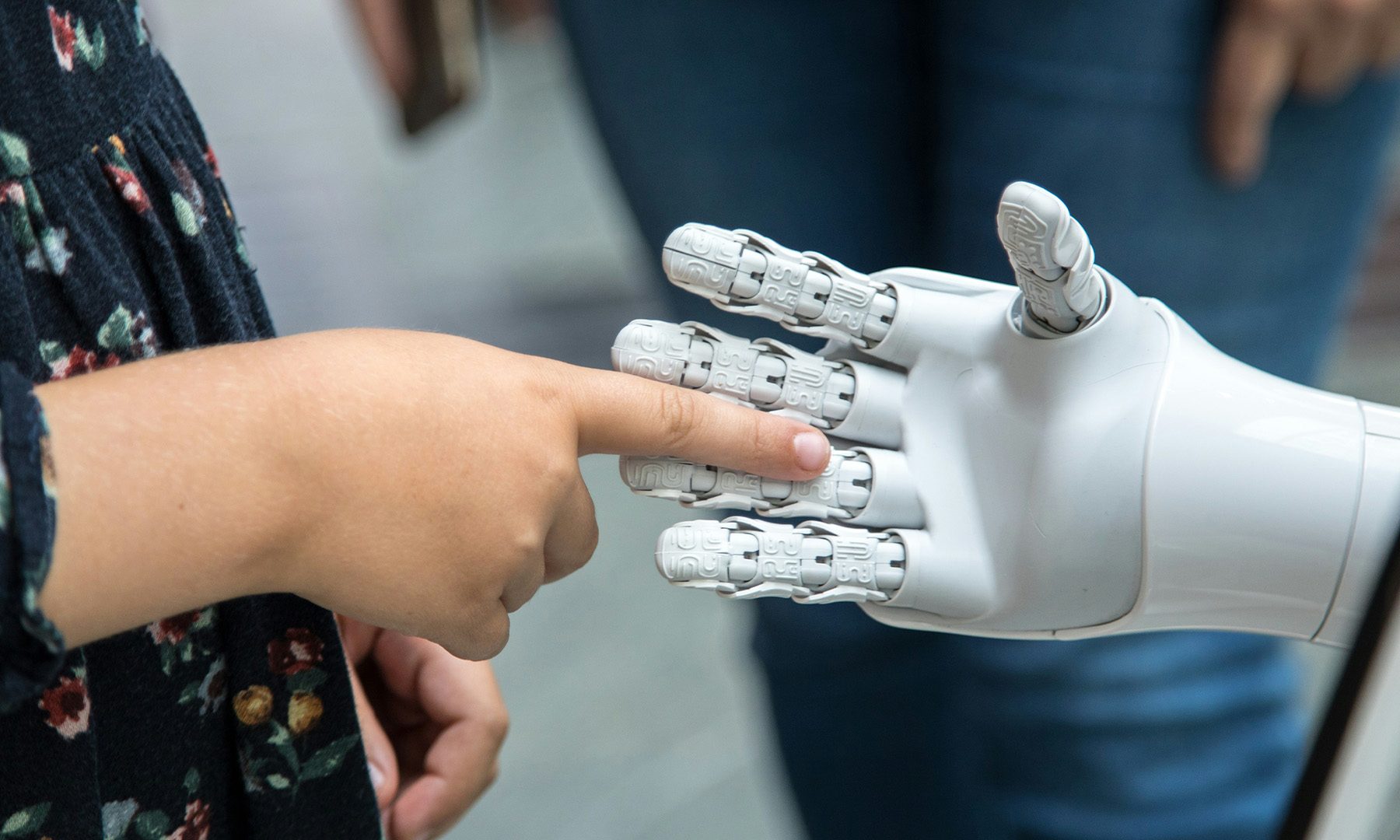
Robot Touch Human Finger

Samsung wants a place in the humanoid race, but its new robotics push begins with machines built for factories rather than homes.

The CEO-led RX robotics division will initially focus on manufacturing robots. Samsung has separately identified humanoids as a priority, although it hasn’t announced a commercial model or explained where one fits into the division’s immediate plans.

Read more
The future of AI may depend on this one behind-the-scenes change
Running Claude on Android.

Whenever a new AI model arrives, it's easy to get caught up in the bells and whistles. We talk about how much smarter it is, how quickly it answers questions, or how realistic its images have become. But here's the thing: none of that matters much if the AI can't reliably work with the apps and services people use every day.

That's why an upcoming update to the Model Context Protocol (MCP) caught my attention. It isn't a new chatbot or a fancy AI model. In fact, most people will never even know it's happening. But it could quietly make the AI ecosystem a lot healthier. If you've never heard of MCP before, don't worry. Think of it as a shared language that lets AI assistants safely talk to apps like Gmail, Slack, calendars, databases, and countless other services. Instead of every company inventing its own way to make those connections, MCP gives everyone a common rulebook.

Read more