1. Home
  2. Computing
  3. News

Google is putting its display ads on a diet to help speed up browsing

Add as a preferred source on Google

Google is on a quest to make online ads less obnoxious, which makes sense for a company that makes its living on web-based advertising. People hate videos that play automatically, glaring slogans, and ads that suck down bandwidth and slow down the browsing experience, and Google is serious about making a fix.

The company will be officially blocking some kinds of ads in its industry-dominating Chrome browser starting in 2018, and it’s already stopping ads that try to pop up in new tabs. Google is also taking steps to make its own ads less unruly, as ZDNet reports.

Recommended Videos

It’s doing all this by applying compression to its display ads using the Brotli compression algorithm. This specific compression scheme promises to reduce the size of Google’s ads by 15 percent compared to gzip compression, with a more than 40 percent reduction in some ads. While not every Google ad will enjoy this level of compression, Google says it’s applying Brotli compression “whenever possible.”

The benefits from putting its ads on a diet can be significant. As Michael Burns, a software engineer on Google’s Publisher Tagging and Ads Latency Team says: “[The use of compression] reduces the amount of data sent to end users by tens of thousands of gigabytes every day.” What that means for individual users is faster page loads, better overall performance, and, ultimately, lower battery consumption.

The Brotli compression algorithm is supported in the top web browsers today, including Chrome, Microsoft’s new Edge browser that’s featured in Windows 10, and Firefox. Only Apple’s Safari browser doesn’t support the new tool, which superseded the earlier Zopfli algorithm and provides up to 26 percent better compression.

In 2018, Google Chrome will start blocking any ads that don’t conform to the new Initial Better Ads Standards defined by the Coalition for Better Ads, including its own display ads. That means that users should gain a tremendous boost in their ability to enjoy the browsing experience without being subjected to the most obnoxious ads. In the meantime, Google will be working to make the ads that do show up just a little more efficient.

Mark Coppock
Former Computing Writer
Mark Coppock is a Freelance Writer at Digital Trends covering primarily laptop and other computing technologies. He has…
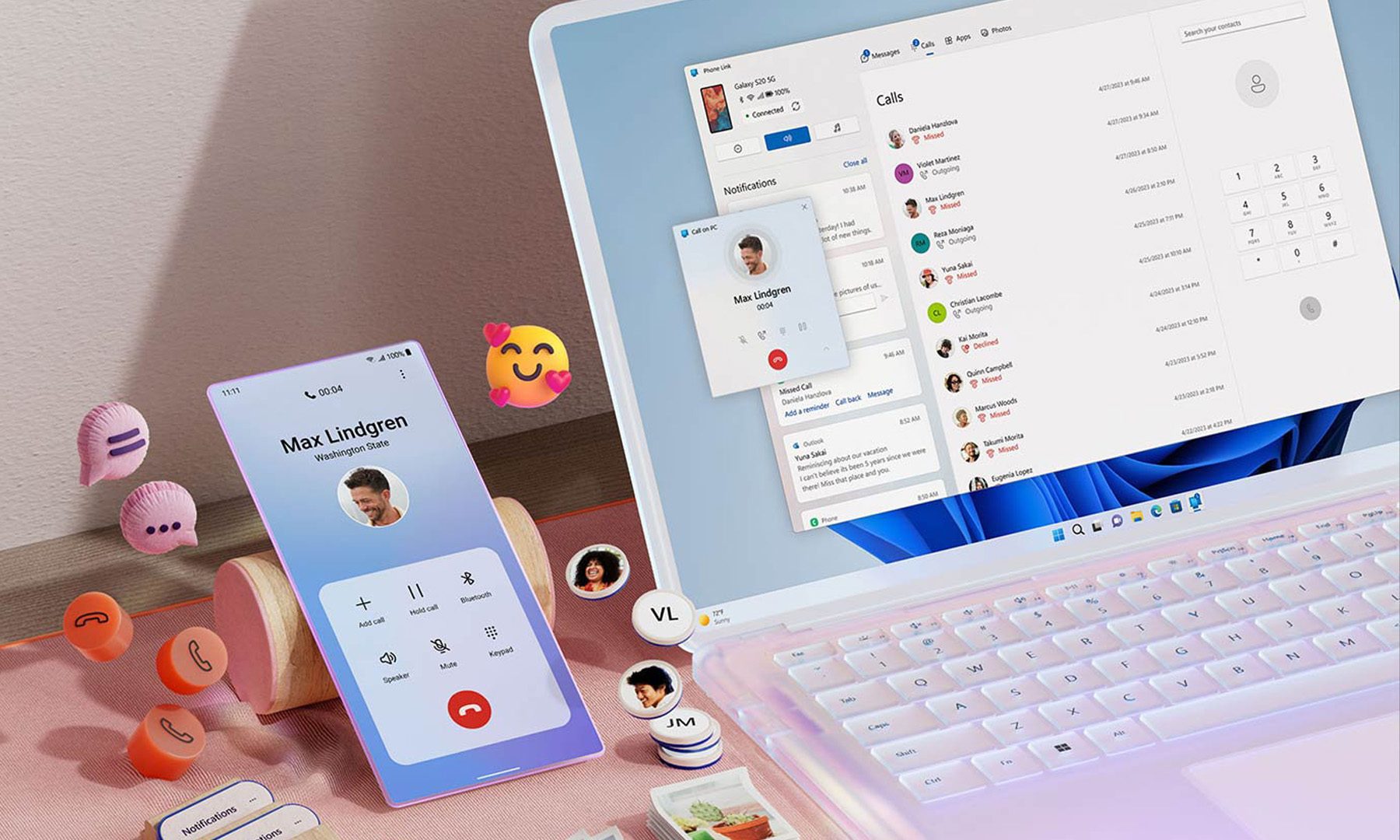
Microsoft wants Windows 11 and your phone to become best friends
Microsoft's latest plans reportedly focus on making the PC and smartphone experience feel seamless.
Windows 11 PC with Android Phone

For years, Phone Link has felt like that one app everyone knows exists but rarely remembers to open. Microsoft apparently wants to change that. According to a report from Windows Central, the company is working on a major overhaul of how smartphones integrate with Windows 11, making phones feel like a native part of the operating system instead of something users access through a separate app.

Phone Link is coming out of hiding

Read more
What are Copilot+ PCs? Everything you need to know
Copilot

Walk through a laptop aisle in 2026 and the Copilot+ PC branding is highlight for most Windows laptops. From Microsoft's own surface to other PC makers like Samsung, HP, and Dell, you can find notebooks that carry this badge to convey that they are AI-ready. At a glance, the name sounds like it refers to a computer with a better version of the Copilot chatbot, which only explains a small part of it.

A Copilot+ PC is a Windows 11 computer that meets Microsoft’s hardware standard for advanced on-device AI features like a compatible processor with a dedicated NPU. You also need a certain amount of RAM and storage, all of which brings access to Windows features such as Recall, Click to Do, and much more. Many of these experiences use the NPU to process information locally, reducing their reliance on cloud servers and helping them run more efficiently in the background.

Read more
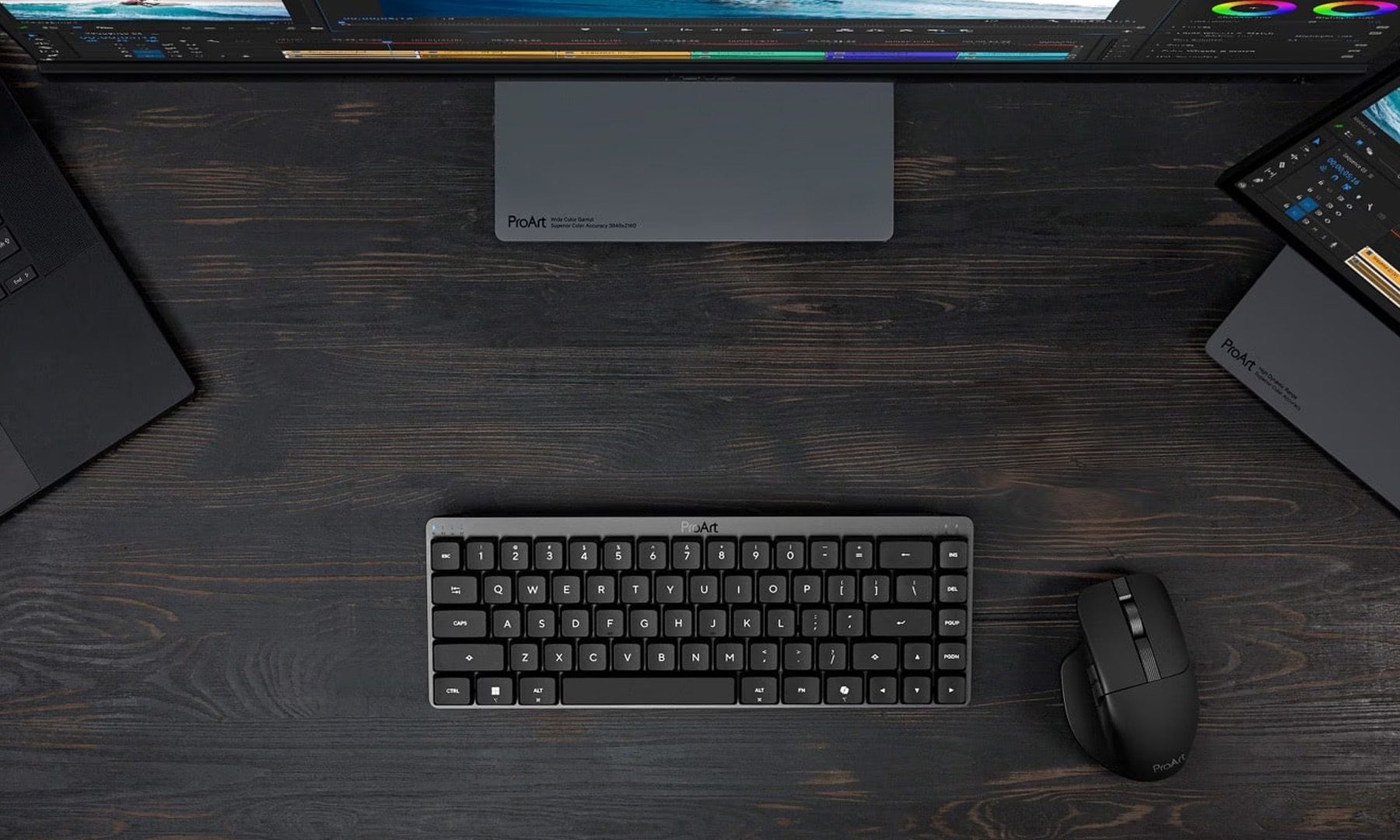
ASUS expands its ProArt lineup with a compact keyboard and a smart creator mouse
The new ProArt KD300 and MD301 are designed to make life easier for designers, editors, and creators.
ASUS ProArt Keyboard KD300 and ProArt Mouse MD301

Creators have long had plenty of powerful laptops and monitors to choose from. Keyboards and mice? Not so much. ASUS is looking to change that with the expansion of its ProArt accessory lineup. Leading the announcement is the new ProArt Keyboard KD300, a compact low-profile keyboard that's designed to work alongside the ProArt Mouse MD301, giving creators a matching desktop setup built specifically for productivity instead of gaming.

A compact keyboard that doesn't sacrifice functionality

Read more