  1. Home
  2. Computing
  3. Emerging Tech
  4. Legacy Archives

McDonalds Offers Free Wi-Fi: You Want Fries With That?

Add as a preferred source on Google
McDonalds Wi-Fi
Image used with permission by copyright holder

McDonalds fast food joints are one of WayPort‘s biggest retail partners, and the company used to charge $2.95 for two hours’ worth of Wi-Fi access—except for AT&T customers, many of whom can tap into WayPort Wi-Fi as a fringe benefit of their service. Now, however, McDonalds is throwing open the doors, announcing that it will no longer be charging for Wi-Fi access at some 11,000 retail locations beginning today. Folks wondering where their children are after school should look amongst the gaggle of kids huddled over their phones, portable gaming devices, and iPod touches in the corner booth.

Although charging for two hours of free Wi-Fi wasn’t all that popular amongst business users and travelers—very few of whom plan to spend two hours in a McDonalds restaurant—a free Wi-Fi offering will no doubt appeal to folks looking for a quick meal and a way to check up on news, email, and social networking sites via a netbook, Wi-Fi capable smartphone, or other device. And, of course, free Wi-Fi might make McDonalds even more of a magnet for children and teens looking to tap into the Internet with their friends…and without supervision from parental units.

Recommended Videos

The move also punctuates the growing perception that free Wi-Fi is becoming an expected utility of businesses, not unlike water fountains, bathrooms, and electricity. Free Wi-Fi is already common in airports and many restaurants…although massive chain outfit Starbucks has recently revamped its customer rewards program to make access to its Wi-Fi hotspots more complicated and difficult.


Geoff Duncan
Former Contributor
Geoff Duncan writes, programs, edits, plays music, and delights in making software misbehave. He's probably the only member…
Brave’s new Container feature is a lifesaver for anyone juggling multiple accounts
With this feature, you won't need to open three different browsers
Brave browser 3D logo

Brave has added Containers to its desktop browser, giving users a built-in way to keep different accounts, sessions, and browsing activity separate. The feature is available in Brave 1.92 for Windows, macOS, and Linux, and is rolling out in phases over the next few days.

Containers have been a highly requested feature, especially for users who regularly switch between work, personal, developer, or creator accounts. Once enabled, they let users open tabs in separate spaces where cookies and site storage are not shared outside that container.

Read more
Intel may bring back older desktop CPUs because DDR5 is getting too expensive
Older Intel Core CPUs from 10th to 14th Gen may get a second life
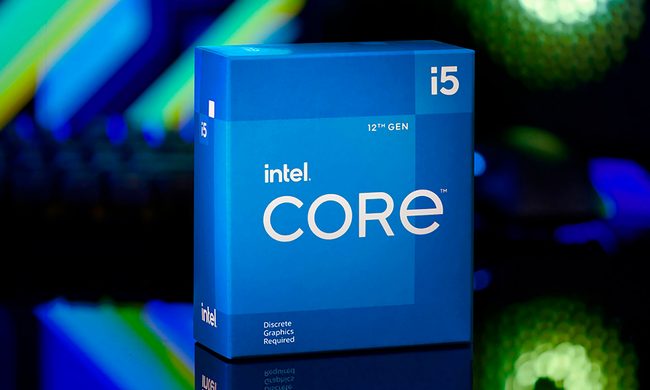
Intel Core i5-12400F box sitting in front of a gaming PC.

Intel may be preparing an unusual response to the ongoing memory crunch. According to Chinese outlet ITHome, citing ChannelGate, the company’s latest production plan includes restarting production of 13th-gen and 14th-gen Core processors.

The move is expected to increase supply across Intel’s 10th, 12th, 13th, and 14th Gen CPU families, especially in mainland China. For DIY PC builders, the timing is important. DDR5 memory prices have climbed sharply, making newer platforms harder to justify for anyone trying to build an affordable gaming PC.

Read more
Amazon wants to design in-house chips for Kindles, Fire TV, and Echo speakers
Apple did it first. Amazon is doing it now, starting with 40 million chips a year and a partner most people have never heard of.
Amazon Kindle Scribe dark mode featured image.

Apple's decision to design its own chips reshaped the consumer electronics industry. Amazon may be about to make the same call, just about two decades later.

Supply chain analyst Ming-Chi Kuo reports that Amazon is preparing to shift away from externally sourced processors for its consumer electronics lineup, marking what he describes as the company's first major processor procurement change in 20 years. The transition is expected to begin in 2027.

Read more