1. Home
  2. Computing
  3. Virtual Reality
  4. s

We played around with Nvidia’s Holodeck software at CES 2018

Add as a preferred source on Google

While it’s not quite like what you’d find on the USS Enterprise, Nvidia showed off its Holodeck virtual reality experience at CES 2018.

Nvidia Senior Technical Marketing Analyst Joe Vivoli gave us a demo of the software at the Nvidia CES booth. Our first question was, naturally, just what is Holodeck? You won’t be loading up life-like environments to get lost in; instead, users will be able to engage in collaborative design while in VR. “The idea is you bring in a very complex model into virtual reality space,” Vivoli said. “You and your buddies get into your VR headsets, and you work together to do some design mockups on a very intricate model.”

Recommended Videos

These models can be anything from 3D models you’ve made, to CAD files directly from a manufacturer for super-fine detail. Holodeck currently supports 3Ds Max and Maya, two of the most popular 3D modeling programs.

The demo at the Nvidia booth featured the model of a Volkswagon bus that had been scanned into a 3D program, the loaded into Holodeck, which showed off just how finite you can get with the models. You will be able to get as finite as the literal nuts and bolts. This has the potential to make something like automotive design, which could be done with people across the world simultaneously through a virtual space.

Holodeck is exciting, but it is currently hard to get your hands on. VR programs are known for having high hardware requirements, but Holodeck is particularly resource-intensive. The software on display on the show floor was running on a PC equipped with a Titan XP graphics card, Nvidia’s most powerful GPU to date. You will at the very least need GTX 1080 Ti, which is the second most powerful graphics card currently made by Nvidia.

Holodeck is currently in open-beta early access. If you are curious, you can head over to Nvidia’s official Holodeck page and sign up to get access — just make sure you have the specs to run it first.

Be sure to check out the rest of our CES for our news about VR.

Brendan Hesse
Former Staff Writer, Home Theater
Brendan has written about a wide swath of topics, including music, fitness and nutrition, and pop culture, but tech was…
NVIDIA’s new AI can detect deepfake videos in just 22 milliseconds
NVIDIA has a new AI tool that can tell fake videos from real ones in milliseconds
Nvidia logo

As generative AI becomes increasingly capable of producing videos that are nearly indistinguishable from real footage, the race is no longer just about creating synthetic media. It's about detecting it before it spreads.

At SIGGRAPH 2026, NVIDIA unveiled Synthetic Video Detector, a new AI-powered verification tool designed to identify AI-generated videos with remarkable speed and accuracy. Rather than replacing traditional fact-checking or forensic analysis, the company says the technology is intended to give newsrooms, broadcasters and enterprises another layer of confidence before synthetic videos enter the public domain.

Read more
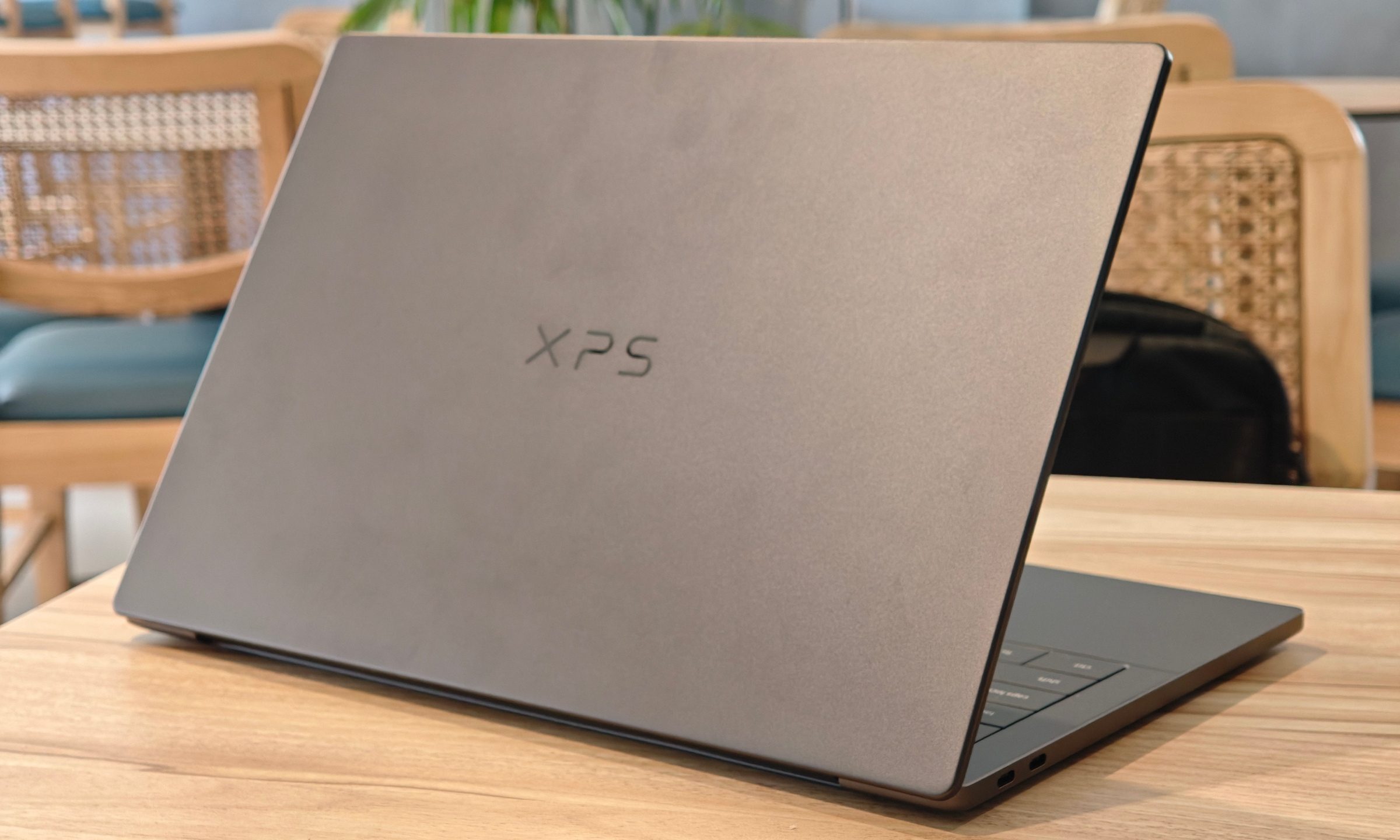
Dell XPS 14 (2026) Review: Dell’s classic Windows laptop returns, and it’s hard to put down
The icon returns, and shows why it's still relevant
Dell XPS 14 Review: Featured

Quick take

Dell’s XPS line has always carried a certain weight. It is one of those Windows laptop families that people recognize even if they don’t follow laptops too closely. Clean design built with premium materials, sharp displays, and high-end hardware. The Dell XPS 14 DA14260 continues that legacy. 

Read more
Samsung’s secret AI chip could finally cool down Exynos phones
Samsung's GAIA AI chip is landing in laptops first, but its shared DNA with Exynos hints at a real fix for phones down the line.
Samsung Exynos chip illustration.

If you've ever owned an Exynos-powered Galaxy phone, you already know the drill: heavy tasks like capturing back-to-back pictures or photos for a while, heavy gaming, or rendering videos turn your device into a hand warmer. 

In such a situation, the battery bar drops faster than usual as well. Turns out, Samsung might be working on the fix, and it's coming in a way nobody expected.

Read more