  1. Home
  2. Computing
  3. Gaming
  4. s

Nvidia’s GTC keynote was big on business, but ignored gamers and miners

Add as a preferred source on Google
Nvidia DGX 2
Image used with permission by copyright holder

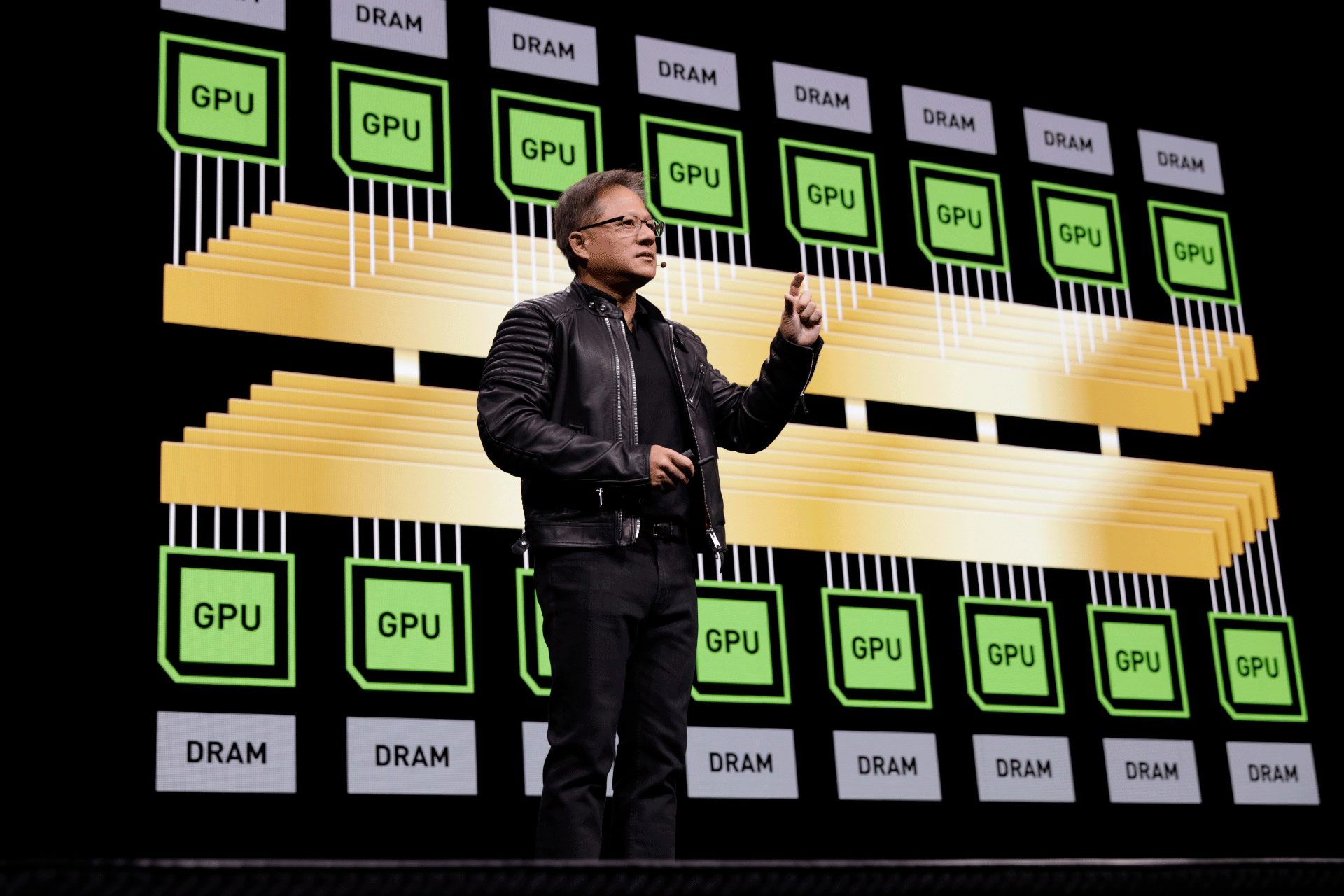
This morning was the opening keynote of the annual GPU Technology Conference (GTC), Nvidia’s big annual show. CEO Jansen Huang took to the stage and made a number of interesting announcements, including the unveiling of the world’s largest GPU — the GDX-2 — and some impressive deep learning demos powered by Nvidia’s move into AI.

However, two important groups of people were left virtually unmentioned by Huang. Gamers, and cryptocurrency miners.

Recommended Videos

Both groups have been eagerly awaiting the release of the next generation of graphics cards, specifically the announcement of a GPU made solely for mining cryptocurrency. Miners want more hashing power, while gamers want the skyrocketing prices of GPUs to get back to normal levels. A new generation of GPUs would accomplish both of those tasks.

Outside of the possibility of interest in the GDX-2 as a powerhouse mining rig, gamers and miners are as in the dark as they were yesterday.

This “GPU crisis,” as it’s been referred to, has been left nearly unaddressed by the company. Of course, for Nvidia, it’s hardly a crisis. It’s given lip-service to the problem, but has no doubt enjoyed the profits of the new use case for its products. The lack of any mention of it at the keynote is a hard pill to swallow.

GTC isn’t a gaming-focused event — I get that. But it also would have been a great time to give even just a hint or tease at what’s to come. There’s lots of rumors and conspiracies floating around the internet, all of which could have been squelched with a mention by Huang from the stage. It also would have shown that they’re aware of how gamers feel, and given them a light at the end of the tunnel. Instead, I’m left to wonder if and when Nvidia will fix the issue.

“The more you buy, the more you save,” Huang repeated over and over throughout the keynote.

For the people Nvidia ignored, that couldn’t be further from the truth. Buy? Buy what? For many, affordable GPUs aren’t even available.

Luke Larsen
Former Senior Editor, Computing
Luke Larsen is the Senior Editor of Computing, managing all content covering laptops, monitors, PC hardware, Macs, and more.
Google’s new Magic Pointer Play Store listing reveals a Gemini shortcut built for Googlebooks
The unannounced app turns the cursor into a contextual AI tool for search, image creation, and shopping
Plant, Text, Business Card

Google has quietly published a new Play Store listing for Magic Pointer, an unannounced app built for Googlebooks. Updated on July 10, the app turns the cursor into a Gemini shortcut that can act on whatever a user selects on screen.

Magic Pointer can send an image to Lens, generate a related image, or surface a shopping action without forcing users to open a separate chatbot. Regular Android devices currently show as incompatible, so the listing offers an early preview rather than a broad release.

Read more
You can stop using AI, but this new report says you probably can’t escape it
A UK survey found that most people feel AI exposure is unavoidable, raising harder questions about consent, privacy, and whether opting out is still realistic
AI Chatbots

More people are trying to use less AI, but avoiding it altogether may already be impossible.

A survey of 2,055 UK adults found that 42% deliberately limit how much AI they use. Another 70% said avoiding AI exposure would be difficult or impossible, even when they actively wanted less of it.

Read more
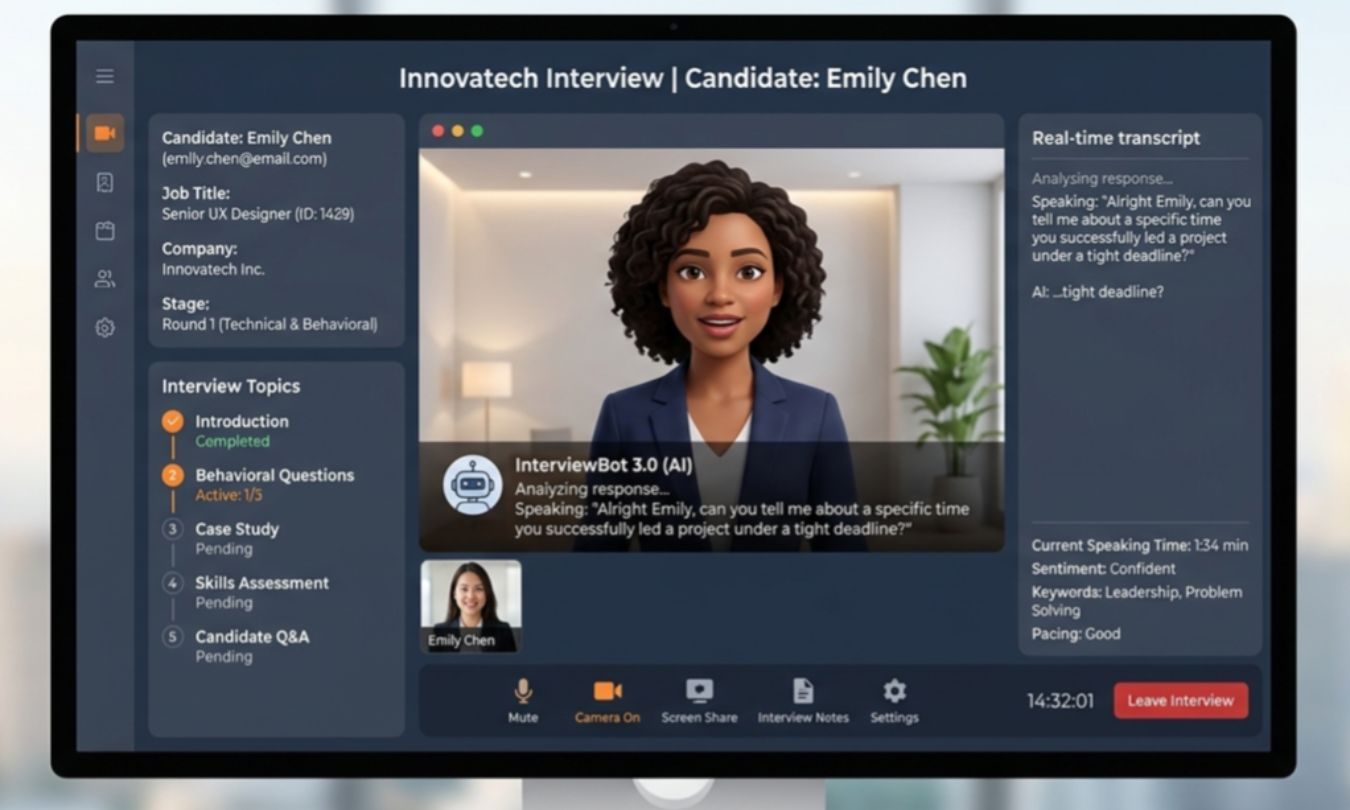
The face on an AI interviewer may matter as much as the decision it makes
Researchers found that race and gender matching changed how fairly rejected applicants viewed an automated interview, even though everyone received the same outcome
File, Computer Hardware, Electronics

An AI hiring system can treat every applicant the same and still leave some people feeling targeted. Researchers found that rejected candidates judged an automated interview differently depending on the race and gender of the avatar delivering the result.

Around 220 participants completed a simulated interview for a fictional customer support role with one of four photorealistic AI avatars. Everyone was rejected, yet perceptions of fairness shifted with the interviewer’s appearance. An algorithm audit could miss that reaction because candidates don’t experience the system as raw code. They experience a face asking questions and judging their answers.

Read more