  1. Home
  2. Phones
  3. Cars
  4. Mobile
  5. News

Uber will no longer store exact pickup and drop-off locations in drivers’ apps

Add as a preferred source on Google
Image used with permission by copyright holder

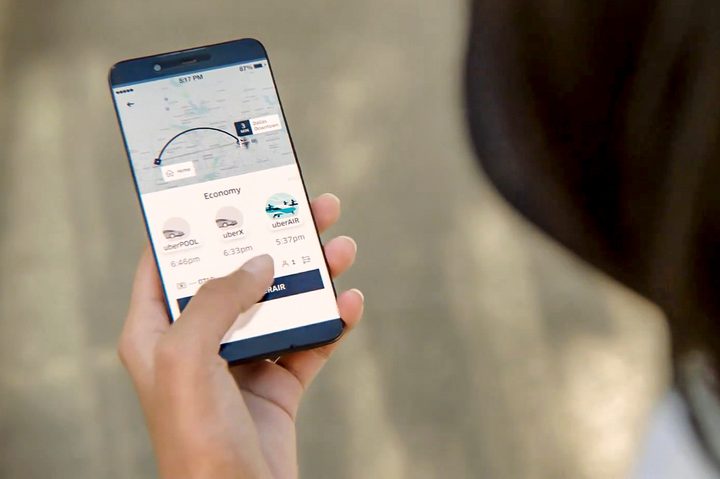
Not so long ago, Uber rolled out new passenger safety features in the hope of assuaging concerns over potential risks associated with taking a ride from the transportation giant. And now it’s stepping up its game even further. In a soon-to-be-launched pilot program, the San Francisco-based giant will begin hiding passengers’ exact pickup and drop-off locations in the trip history available to drivers. Rather than pinpointing where you are and where you’re going, the Uber app will instead show drivers a more general location. The goal, of course, is to improve rider privacy and safety, and limit the degree to which location data is exposed.

As it stands, Uber shows its drivers exactly where they dropped off and picked up their riders in the ride history section of the app. These addresses are stored in the driver’s trip history, which means that theoretically, he or she can scroll through the app at any time to check out where passengers might live or which locations they frequent. In fact, this information remains in the app even if the passenger deletes the associated account. Naturally, this presented some cause for concern, but Uber is now taking steps to address the issue.

Recommended Videos

“Location data is our most sensitive information, and we are doing everything we can do to protect privacy around it,” an Uber spokesperson said. “The new design provides enough information for drivers to identify past trips for customer support issues or earning disputes without granting them ongoing access to rider addresses.”

The pilot program will also aid Uber’s efforts to comply with the European Union’s new General Data Protection Regulation, which requires companies to both delete user data and give users access to their own data. When this new feature goes public, it will effectively do both.

It’s unclear exactly when the rollout of the feature will be complete, but rest assured it is coming soon.

“Obviously with this being a new feature focused on privacy, we want to make sure it successfully meets that goal before pushing it out broadly,” an Uber spokesperson said. “However, regardless of design/UX tweaks needed, we fully intend on making this a default setting in the coming months.”

Lulu Chang
Fascinated by the effects of technology on human interaction, Lulu believes that if her parents can use your new app…
TSMC might set up a price hike that could come straight for your next phone, laptop, or tablet
Here's what TSMC's rumored 10% chip price increase actually means in dollar terms, and why your next phone or laptop could end up costing more.
TSMC Fab

My wallet flinched the second I saw the words "TSMC" and "price increase" in the same headline, and honestly, yours should too.

Turns out the company behind the silicon powering basically every flagship device out there, including Apple’s A-series and Qualcomm’s Snapdragon processors, is reportedly about to make all of it a little pricier.

Read more
Samsung’s free storage doubling for preorders is gone in Austria, and the replacement isn’t as sweet
Samsung's free storage doubling deal might just be history.
The back of the Galaxy Z Fold 7

If you've pre-ordered a Samsung foldable purely for the free storage bump, tomorrow's Unpacked event might sting a little.

For years, pre-ordering a new Galaxy meant automatically getting double the storage at no additional charge. Buy the 128GB model, walk away with 256GB for the same price. The same applied to the 256GB and 512GB models. However, that might change at the upcoming Galaxy Unpacked event. 

Read more
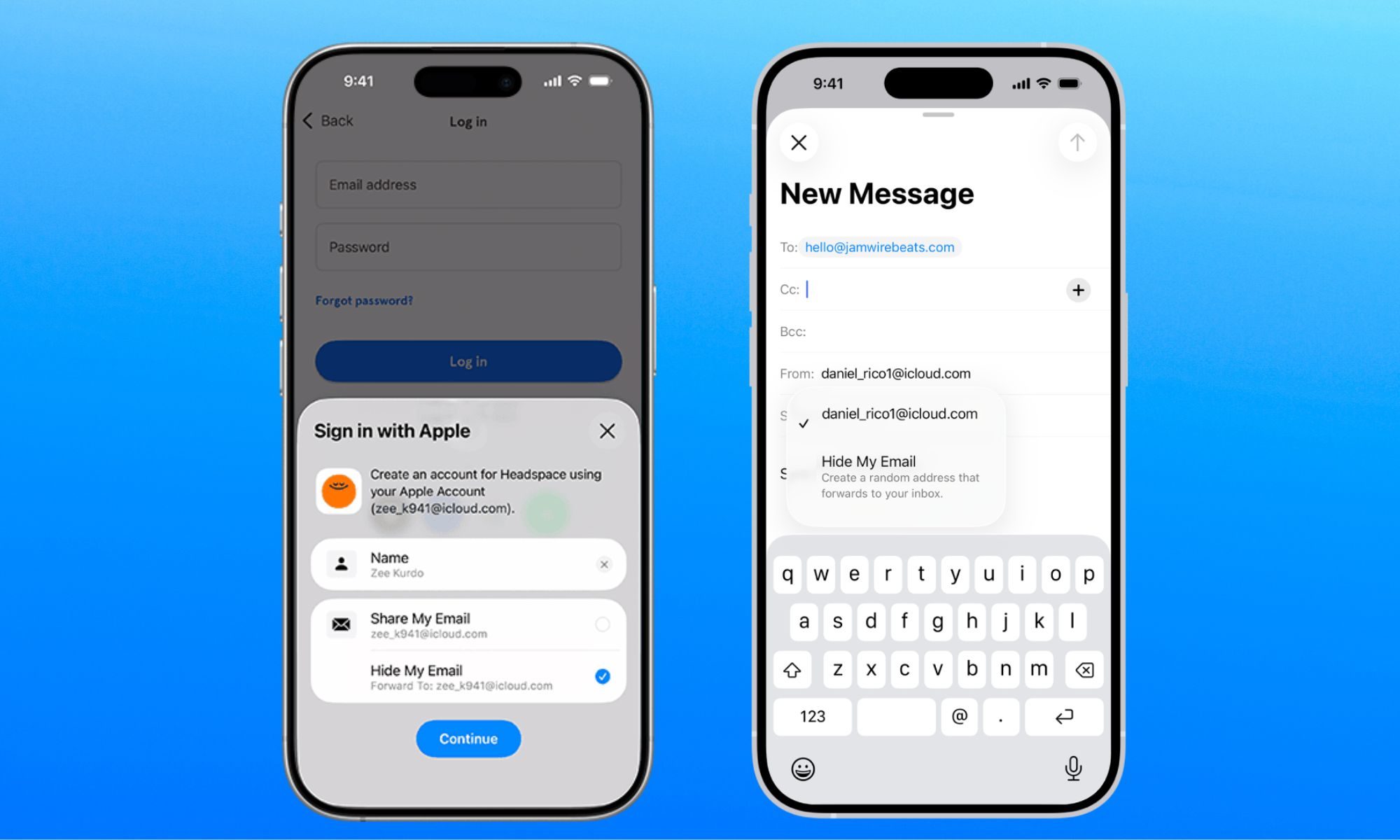
Apple fixes Hide My Email bug that exposed users’ real email addresses
Here's how Apple's Hide My Email flaw leaked real addresses for over a year, and why it only got fixed once the story went public.
apple-merging-sign-in-with-apple-hide-my-email-icloud+

Turns out the "Hide" part of Hide My Email wasn't doing its job quite as advertised, something that I covered early in July. Security researcher Tyler Murphy reported the flaw in June 2025, but despite Apple claiming it was resolved in March 2026, independent tests confirmed it remained exploitable, at least until July 3, 2026.

So how did this bug actually work?

Read more