Updating laptops to the newest generation of Intel processors shouldn’t be this difficult. Every year Dell, HP, and Asus handle it as a simple way to keep computers up-to-date without having to do a complete redesign every year.
Easy, right? Yet Apple has managed to completely fumble it.
No entry level update
We knew there was something fishy about this year’s MacBook Pro when we first saw the listing. While the $1,800+ models have refreshed 8th-gen CPUs, the lower-end models were conveniently left off the update. These cheaper models, ranging from $1,300 to $1,600, are stuck with the same 7th-gen Intel processors introduced over a year and half ago.
With word that Intel is about to drop 9th-gen processors next month, you can see where this is all going. The most affordable models will soon be two generations behind. It’s the MacBook Air’s problem all over again.
The most expensive models have problems
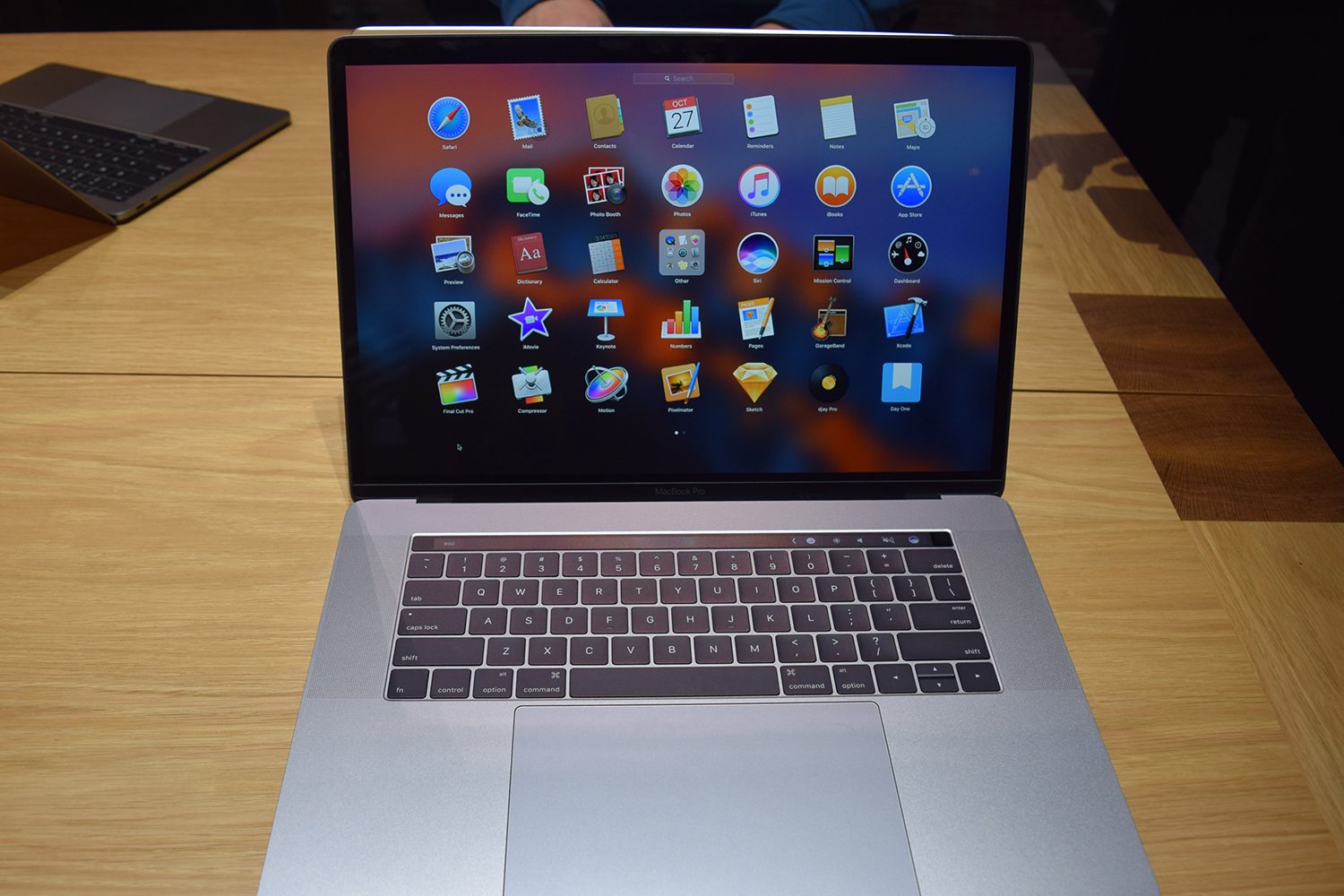
Despite the lack of updated entry-level options, we were happy to see Apple bring Intel’s Core i9 to the higher-end 15-inch MacBook Pros. We’ve tested these chips on other laptops and witnessed the processing power firsthand.
But even here, Apple took the easy route here and hoped nobody would notice.
Within days of the first fans ordering their new MacBook Pros, reports were posted about the throttling issue with these Core i9 chips. Because the new MacBook Pros use the same chassis as before, these high-powered Core i9 chips are severely throttled, to the point where they perform worse in intensive loads than the cheaper Core i7 model.
If you want, you can manually control the fan speed to gain some of that performance back, but since when does Apple release products that aren’t optimized? The days of “it just works” seem long gone.
The keyboard continues to haunt Apple
The admission that Apple severely messed up on the MacBook Pro keyboard has been slow and painful. It came to a head when the company finally announced it would provide free repairs and replacement for sticky keys in May.
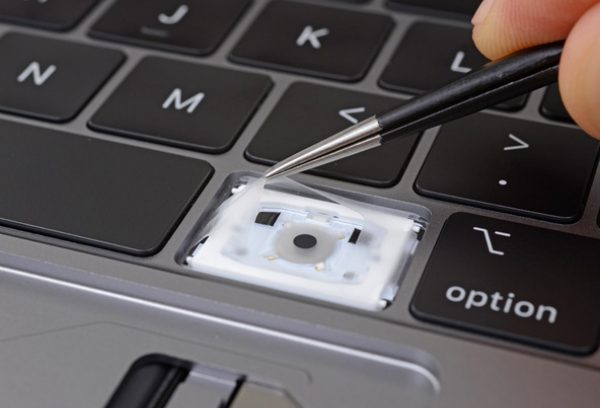
In the 2018, Apple has included what it calls a “third-generation butterfly mechanism.” When first announced, we assumed Apple had fixed the problem plaguing the previous generation of keyboards, but instead, Apple was silent on the issue. The initial response from Apple was that it hadn’t made engineering tweaks to address the sticky key issue, while also not covering it under the new repair program.
It was only until iFixit revealed the silicon pad installed under each key that Apple finally reversed its previous statement and admit its new keyboard had anti-debris protection. Apple played coy to downplay the problem rather than reassure buyers that these new MacBook Pros fixed it.
All of this is strange to see happen at a company like Apple. Clarity in branding is the exact thing that allowed it to rise to such great heights in the glory days. Those days seem to be waning. Apple’s recent missteps in messaging, product differentiation, and reliability appear to be the new normal.