  1. Home
  2. Computing
  3. News

Privacy-focused browser Brave sues Google, claims breach of Europe’s GDPR rules

Add as a preferred source on Google
mikewaters/123rf

Privacy-focused browser Brave is taking on Google in a big way when it comes to how your personal data is being stored and shared. Brave, which was founded by Mozilla co-founder Brendan Eich, filed its complaint against the search giant in Britain and Ireland on Wednesday, September 12 in what is seen as a test case against the digital advertising industry’s handling of consumer browsing data.

Brave wants to trigger Article 62 in the GDPR rules to begin an EU-wide investigation on how Google and the digital advertising industry are handling people’s data. The General Data Protection Regulation, or GDPR, was passed by EU regulators in order to give people more control over their data on the internet, but Brave alleges that Google and its peers are instead sharing that data with advertisers without the knowledge of individual users, and this may be in direct violation of Article 5(1) of GDPR, which requires that personal data be “processed in a manner that ensures appropriate security of the personal data, including protection against unauthorized or unlawful processing and against accidental loss.”

Recommended Videos

“Every time a person visits a website and is shown a ‘behavioral’ ad on a website, intimate personal data that describes each visitor, and what they are watching online, is broadcast to tens or hundreds of companies,” Brave wrote in a blog post. “Advertising technology companies broadcast these data widely in order to solicit potential advertisers’ bids for the attention of the specific individual visiting the website.” The data that Google and digital advertising platforms share with advertisers include what you’re reading or watching at the moment, your location, description of the device you’re using, unique tracking IDs and cookies, your IP address, and data broker segment ID.

Google has responded to Brave’s complaint, and the company issued a statement to Tom’s Hardware stating, “We build privacy and security into all our products from the very earliest stages and are committed to complying with the EU General Data Protection Regulation. We provide users with meaningful data transparency and controls across all the services that we provide in the EU, including for personalized advertising.”

If an investigation is triggered, and if the EU finds against Google, heavy fines are at stake for the entire digital advertising industry. Serious violations can trigger fines of as much as four percent of the company’s total global turnover or 20 million euros, whichever is higher. According to Statista, Google’s advertising revenue in 2017 amounted to $95.38 billion, bringing the total revenue for the year to $109.65 billion. This means that Google stands to lose up to $4.39 billion if it is at fault for violating privacy protections. The company was more recently scrutinized for its reported secret deal with MasterCard that tracked users’ online browsing with in-store purchases.

Chuong Nguyen
Silicon Valley-based technology reporter and Giants baseball fan who splits his time between Northern California and Southern…
How to set up selfie video sign-in for your Google account
Your face can now serve as a way to get back into your Google account. Here's how to set it up.
Google account selfie sign in tutorial featured

Losing access to a Google account is rarely a quick fix, but Google has been actively working to make things easier. Last year, the company introduced a feature called Recovery Contacts that lets you designate a trusted friend or family member to verify your identity if you ever get locked out. Now, Google has introduced a new option, one that uses your face to get you back in instead of a phone call to a friend.

Like Recovery Contacts, the new selfie video authentication feature requires some setup before you can use your face to sign into your Google account. This involves recording the reference video that Google will use to verify your identity whenever you attempt to log in this way. Here's how to set up selfie video sign-in for your Google account.

Read more
Framework Desktop packs Ryzen AI Max, up to 192GB of RAM, and local AI into a mini PC
192GB of RAM in a desktop this small? Framework says yes.
Framework Desktop feature

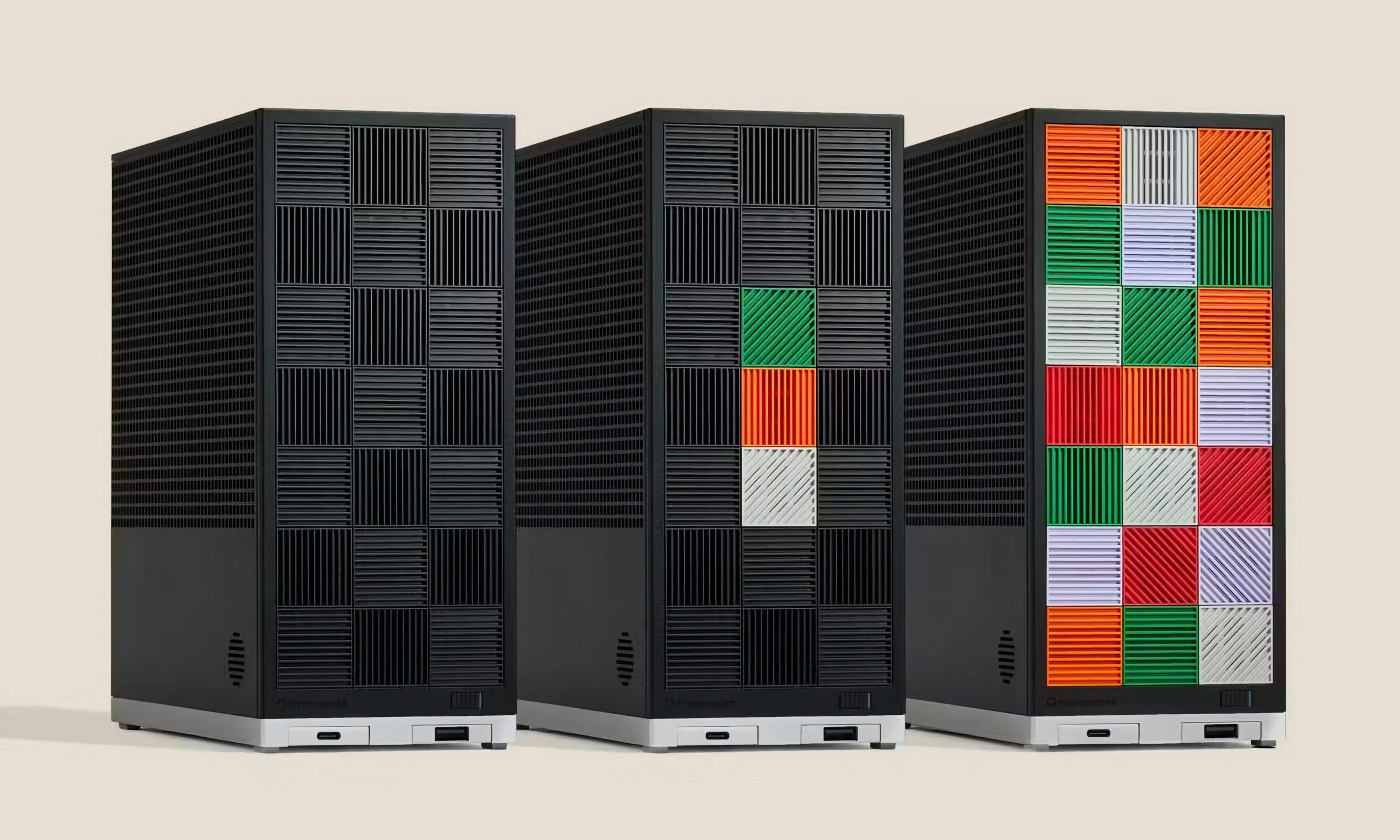
Framework has built a reputation for shipping things other PC makers won't even attempt, and its latest teaser keeps that streak alive. At AMD's Advancing AI event, the company previewed a new version of its Framework Desktop, and this one is clearly built with one goal in mind: running large AI models locally on your computer. If you have been eyeing a way to run local AI, this could be the machine to watch.

So what's actually new here?

Read more
AI is becoming the shoulder we cry on, and that worries me
Chatbots are learning to generate comfort now
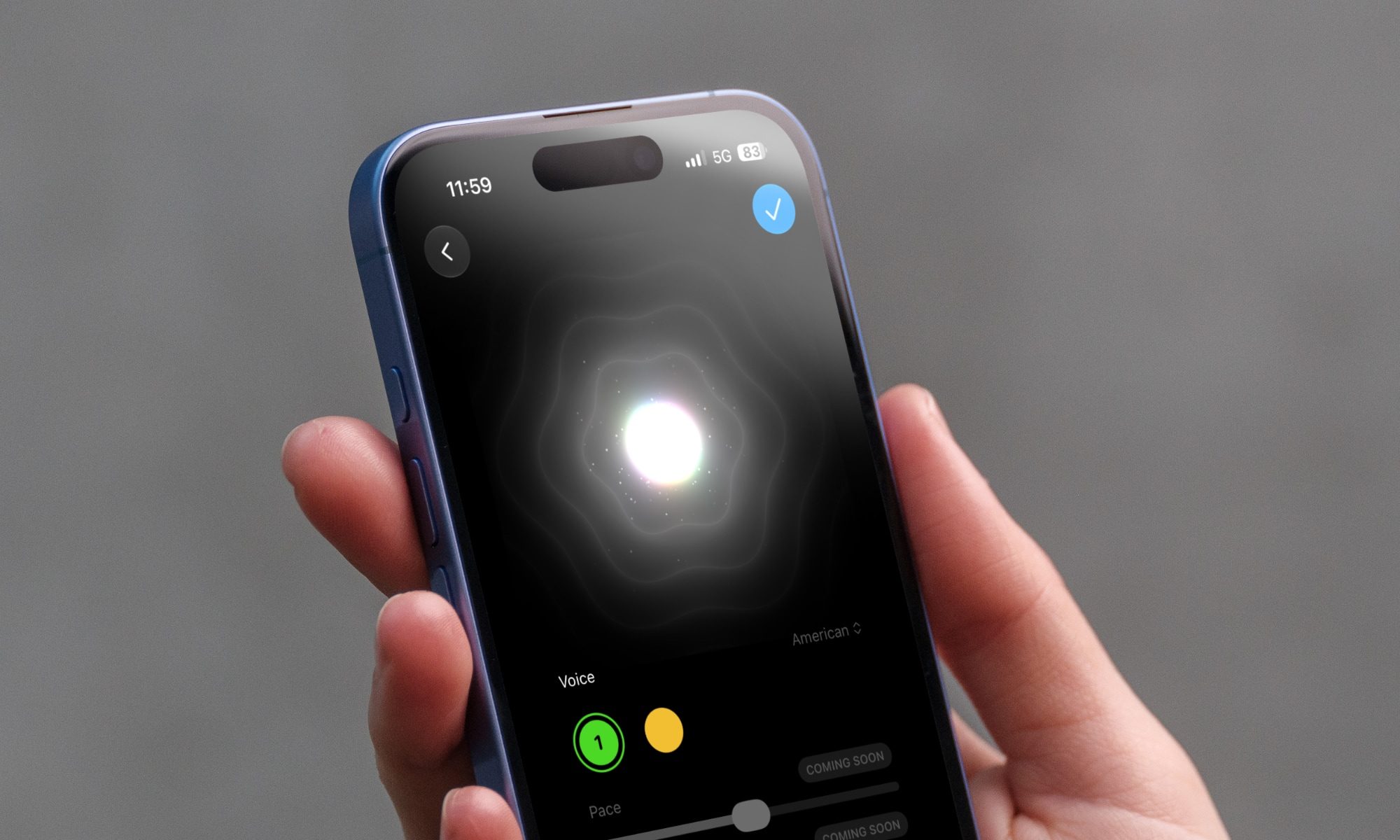
Siri AI voice change

I expected artificial intelligence to be faster in performing calculations or data analysis than humans. But emotional support is one of the last things I could imagine it being better at. New research led by the University of Manchester, alongside Durham University, found that leading AI chatbots could match or sometimes outperform humans when responding to everyday emotional problems. The researchers conducted five studies involving 1,233 participants and tested responses from ChatGPT-4o, Claude 3.5 Sonnet, and Gemini 1.5 Pro.

The researchers conducted five studies involving 1,233 participants and tested responses from ChatGPT-4o, Claude 3.5 Sonnet, and Gemini 1.5 Pro. Participants evaluated messages responding to situations such as being passed over for a promotion or returning to an untidy shared home. They were initially kept unaware of whether each response came from a person or an AI system.

Read more