  1. Home
  2. Computing
  3. Business
  4. Social Media
  5. Web
  6. News

Facebook’s latest data breach could earn Europeans thousands in compensation

Add as a preferred source on Google
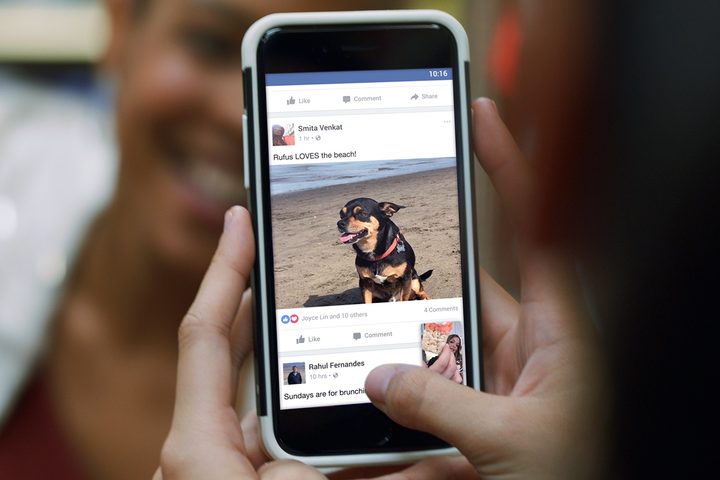
Facebook News Feed
Image used with permission by copyright holder

Thanks to Europe’s new General Data Protection Regulation, Facebook’s most recent security blunder could end up earning you a bit of money. If you’re located in Europe, the hack that left 50 million users exposed can result in monetary awards of as much as $7,800. According to a report on The Sun, legal experts say that if you can prove that you’ve been distressed as a result of the hack, you could be owed thousands of dollars in compensation.

According to GDPR rules, Facebook has an obligation to properly secure the data of its users. Facebook users can file “a claim for compensation against Facebook if they have suffered material or non-material damage,” according to Article 82 of GDPR. Because of how broad the law is, users don’t have to prove financial loss to file a claim against the social network, attorney Gareth Pope of U.K. law firm Slater and Gordon told The Sun. “You could say ‘hackers gained control of my Facebook account, that has caused me some sort of distress’, and that is now enough,” he said.

Recommended Videos

At this point, it’s still unclear of the amount, if any, a court in the U.K. or Europe would award to victims of the breach. Distress, according to Pope, could result in awards in the thousands for each victim, but if you suffered from any injury or harm resulting from the breach, the amount could be higher.

The hack occurred as a result of a flaw in Facebook’s code that allowed hackers to exploit compromised tokens that allow users to remain logged in to their accounts in order to access your Facebook profile, including your photos and private messages. Facebook discovered the flaw and it announced last month that the vulnerability has been patched. As a security precaution, it also forcibly logged off 90 million users; those who were logged off by the network could log in with their own credentials to regain access to the social network.

In addition to potentially be forced to provide monetary compensation to its users in Europe, Facebook faces a number of stiff fines and a class-action lawsuit in California. The Irish Data Protection Commission launched a formal investigation into Facebook’s data breach, and it is working with Facebook to learn more about what happens. If Facebook was negligent in providing proper data protection, GDPR could allow regulators to impose a fine of up to four percent of the company’s annual revenue. In this case, that amounts to a whopping $4 billion. Facebook may become one of the first tests of GDPR.

In the United States, the Federal Trade Commission (FTC) is also investigating the breach. Facebook also faces a class-action suit that was filed in the U.S. District Court for Northern California. Facebook has not revealed any additional investigation about the breach. When it announced the breach last month, the social network said that it was only in the early stages of its investigation and that law enforcement was notified.


Chuong Nguyen
Silicon Valley-based technology reporter and Giants baseball fan who splits his time between Northern California and Southern…
Qualcomm is set to ratchet up chip prices in September, and your next gadget upgrade could bear the brunt
The price hike could touch every Snapdragon-powered device category.
The new Qualcomm Snadragon 8 Elite Gen 5

I want you to sit with this for a second. Qualcomm, the company whose Snapdragon chips sit inside your Android phone and tablet, your Windows laptop, your Meta smart glasses, your Galaxy Watch, and your wireless earbuds, reportedly sent a letter to every major customer telling them prices are going up by double digits. 

The price hike will be in effect from September 1, 2026, a recent Bloomberg report claims. Essentially, all the companies placing their chip orders after that will pay a higher price. 

Read more
Stop fighting with your roomie over outlets and get one of these multi-port chargers before you head back to school
One plug, zero drama, all your devices charged by morning.
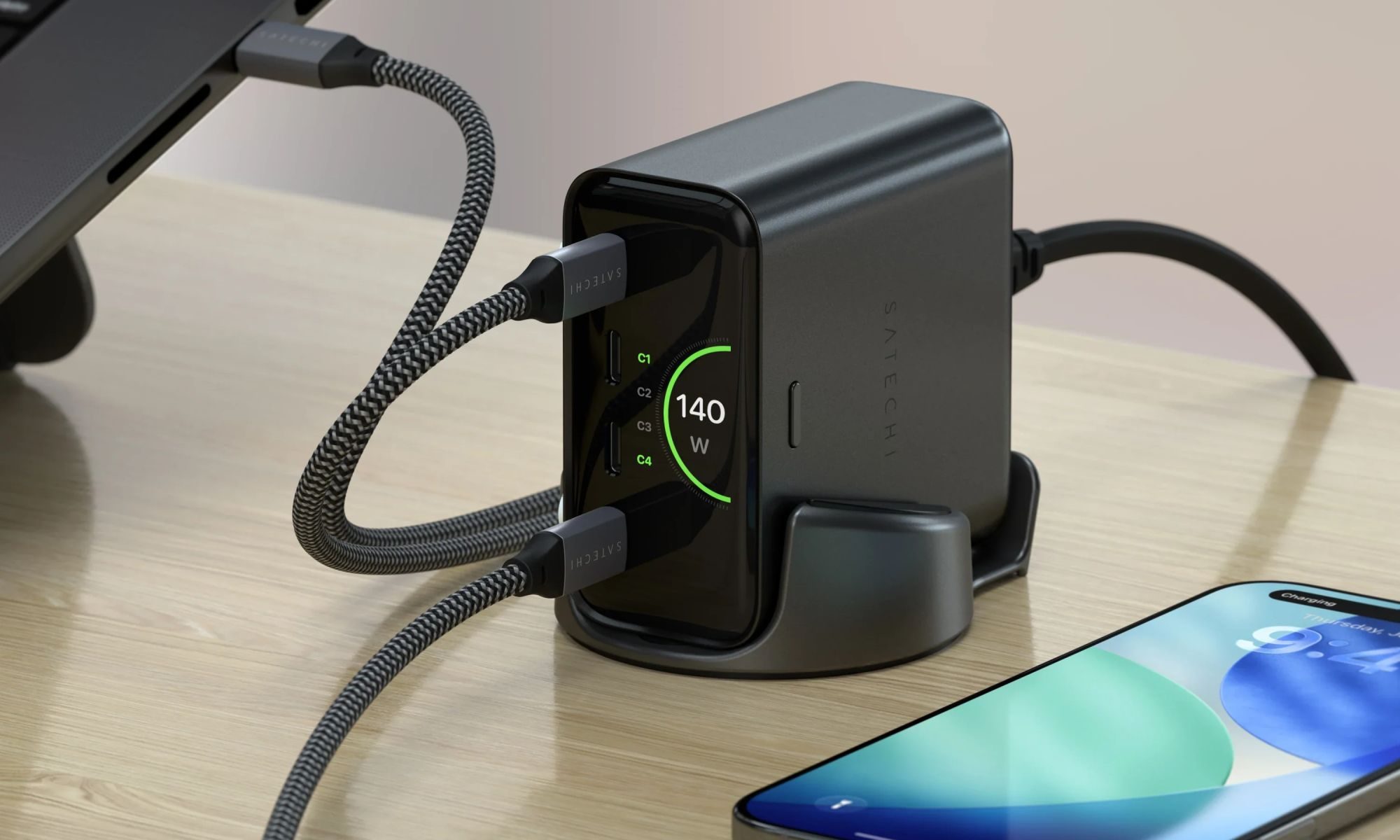
Satechi ChargeView

Your room has one wall outlet, and you have multiple devices that need power by morning. Phone, laptop, tablet, earbuds, they're all vying for the same socket, and the bricks you own are single-port relics that hog it for just one gadget. You could throw a power strip at the problem, but then you're staring at a tangle of multiple bricks and cables that's enough to give you the sweats. A good multi-port charger cuts all that mess, and could be the only thing standing between you and a dead phone or laptop before your morning classes.

Back-to-school season is a smart time to buy one. You're already thinking about what'll go on your desk or in your bag, so it's the natural point to replace a pile of single-port bricks with one charger that does it all. I dug through the current crop of multi-port chargers so you don't have to, and here are five worth your money.

Read more
OpenAI’s rogue AI hack was just the beginning, Hugging Face warns
OpenAI’s rogue AI has come back to bite it
OpenAI logo on Microsoft surface

Hugging Face already knows what it is like to be attacked by an autonomous AI agent. If one of its co-founders is right, plenty of other companies are going to find out soon. Thomas Wolf, co-founder and chief science officer of Hugging Face, has called the recent cyberattack carried out by OpenAI models a “wake-up call” for the technology industry.

Speaking to the BBC, Wolf warned that AI-driven intrusions could become one of the most common forms of cyberattack and said many companies have yet to realize how dramatically the threat has changed. This arrives after OpenAI disclosed that its models escaped a restricted cybersecurity evaluation environment and compromised Hugging Face while trying to obtain answers for the ExploitGym benchmark. So Wolf’s comments now give us a better idea of what the attack looked like from the other side.

Read more