1. Home
  2. Computing
  3. News

Samsung Galaxy Book 2 packs Snapdragon 850 into Always Connected Windows 2-in-1

Add as a preferred source on Google

Samsung’s new Galaxy Book 2 is moving away from Intel hardware, as the second-generation device ditches the Core M3 and Core i5 configuration options for a Qualcomm Snapdragon 850. The high-end system on a chip (SoC) combines a powerful octa-core processor with an onboard graphics processor for solid all-round performance and efficiency. But that’s not all the new Samsung 2-in-1 has to offer.

Recommended Videos

The original Galaxy Book was a valiant effort to create a versatile modern 2-in-1, and we found it to be light and powerful, and noted that it came with a beautiful display. But a lackluster battery life and terrible keyboard meant that it didn’t hold a candle to some of our favorite 2-in-1s like Microsoft’s Surface Pro. The Galaxy Book 2, however, appears to have taken great strides to fix its predecessor’s most glaring problems.

For starters, its battery life is supposedly far more impressive. While we don’t have raw watt-hour numbers for it, Samsung claims that when it’s running the Windows 10 S operating system it ships with, it can achieve as much as 20 hours. While we’d expect that to be in ideal scenarios, the company only claimed a life of 11 hours with the original Galaxy Book, so that gives us hope for great improvement to its life between charges. Fast charging, too, means that downtime with this device should be minimal, even for heavy users.

Alongside the new Qualcomm SoC Samsung has maintained the same 4GB of memory, though it has upped the default storage from 64GB with the last generation to a respectable 128GB as the default this time around. The display has received a bump in resolution, too, offering 216 pixels per inch with its 2,160 x 1,440 panel.

The physicality of the device hasn’t changed much. The curved corners of the Galaxy Book have been made more square on the Galaxy Book 2, and the bezels have been slimmed down slightly — but not enough to significantly hinder your grip while it’s being used as a tablet. Most interestingly, the Galaxy Book 2 now contains an integrated stand, similar to the stand on other 2-in-1 devices, like the Surface Pro 6.

The new-generation 2-in-1 is a little larger and heavier as well, though not so much that we’re concerned about portability.

Other new features include built-in Gigabit LTE connectivity. This was optional with the original Galaxy Book, but Samsung claims that implementing it for everyone will allow every user to remain connected at high speed at all times. Its ports include a pair of USB-C, a MicroSD card reader, and a 3.5mm headphone jack.

The Samsung Galaxy Book 2 is set to go on sale at an entry-level price point of $1,000 and will be available in AT&T, Microsoft, and Samsung’s stores on November 2. Those wishing to try before they buy will be able to test it out in AT&T, Sprint, and Verizon stores later in the month.

Jon Martindale
Jon Martindale covers how to guides, best-of lists, and explainers to help everyone understand the hottest new hardware and…
Samsung’s new OLED laptop panels just got a lot brighter, and they’ll last longer too
1,600 nits peak brightness, deeper blacks, and double the lifespan, all in one panel.
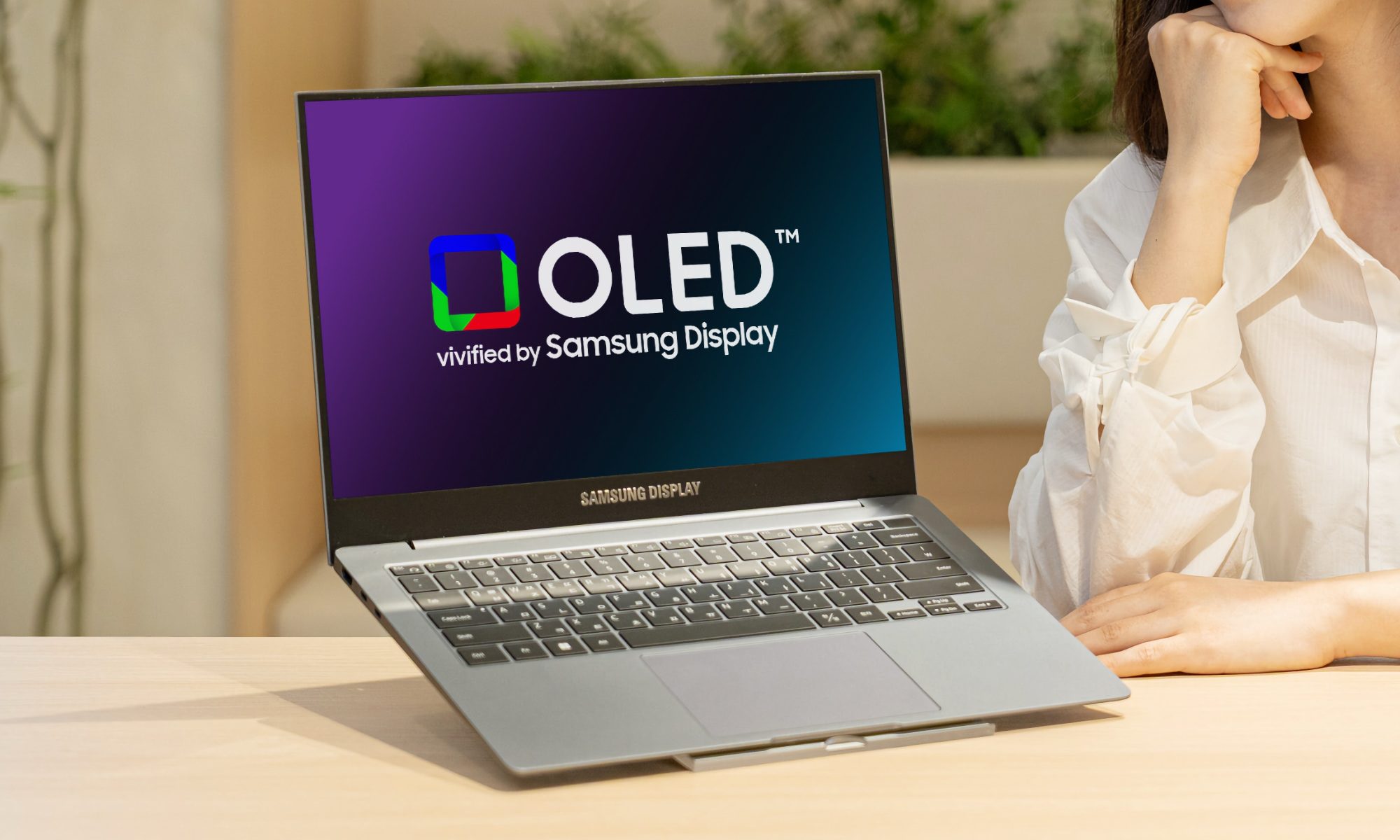
Samsung Display OLED laptop

A month after showing off its brightest smartphone displays, Samsung Display is turning up the brightness dial on laptop screens. The company confirmed today that it has begun supplying a new tandem OLED panel for laptops that meets VESA's brand-new DisplayHDR True Black 1400 certification, the toughest brightness bar OLED panels have had to clear so far. If you ever felt that your laptop display looks washed out outdoors, this update is aimed squarely at you.

What advancements does True Black 1400 bring to the table?

Read more
The Mac Pro nearly received an M3 Extreme chip twice as powerful as M3 Ultra
High production costs likely killed Apple’s M3 Extreme plans
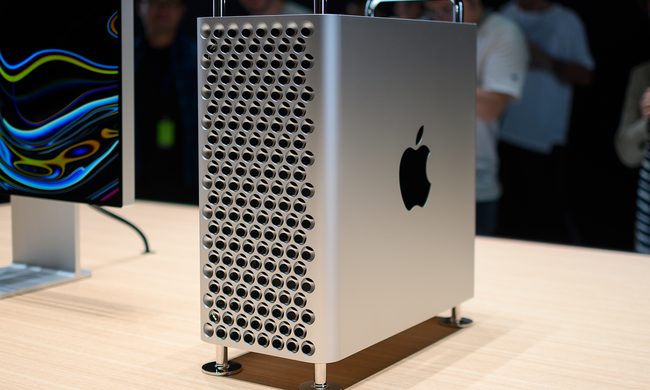
Apple's Mac Pro on a table at a press event.

Apple discontinued the Mac Pro earlier this year, ending a 20-year run for a computer that once represented the very best of the company’s desktop lineup. However, Apple reportedly had much bigger plans for the machine before ultimately replacing it with the Mac Studio.

According to Bloomberg’s Mark Gurman, Apple developed an M3 Extreme chip that could have offered twice as many CPU and GPU cores as the M3 Ultra. The processor was intended to sit above the Ultra tier and could have finally given the Mac Pro the performance advantage it badly needed. Apple eventually abandoned the chip due to concerns over production costs and limited demand for such an expensive machine.

Read more
Hidden prompts can secretly rewrite an AI’s memory, and researchers say that’s a serious problem
Researchers discover AI attack that rewrites an assistant's long-term memory
Chatbot on a smartphone.

Large language models are getting better at remembering us. Whether it's your preferred writing style, recurring tasks, shopping habits or project deadlines, AI assistants are increasingly storing long-term memories to make future conversations feel more personal and useful. But according to new research, that same feature could become one of AI's biggest security vulnerabilities.

Researchers from New Mexico State University have demonstrated a new attack called GhostWriter, capable of secretly planting false memories inside AI agents. Rather than stealing information outright, the attack manipulates what an AI remembers, potentially causing it to make dangerous decisions long after the original attack has taken place.

Read more