1. Home
  2. Emerging Tech
  3. News

Sun sets on NASA’s Dawn spacecraft after 11 years of studying asteroid belt

Add as a preferred source on Google

NASA’s Dawn mission, which aimed to study the largest bodies in the asteroid belt between Mars and Jupiter, has come to an end. After 11 years in space and a journey of 4.3 billion miles, the craft has run out of fuel and has now gone silent. Without the hydrazine fuel that the craft uses, it is no longer able to turn its solar panels toward the Sun to recharge or to keep its antennae pointed toward Earth, which means it can no longer send data back to mission control.

The Dawn spacecraft set out to study two particular bodies in the asteroid belt: The dwarf planet Ceres and the giant asteroid Vesta. Its flyover of Ceres not only produced detailed images of the surface, including craters and mountains, but also provided evidence that the dwarf planet may still be active. Its discoveries on Vesta were equally intriguing, with findings of landslides on the asteroid that suggest the possibility of hidden ice under the surface.

Dusk for Dawn: NASA Mission to the Asteroid Belt

The craft also achieved several firsts in space exploration, such as being the first space mission to orbit two destinations, the first spacecraft to orbit an object in the main asteroid belt, the first spacecraft to visit a dwarf planet, and the first mission to visit Ceres and the first mission to visit Vesta.

Recommended Videos

Launched by NASA’s Jet Propulsion Laboratory (JPL), the data collected from the Dawn mission has been used to study how our solar system was formed in its early years and has shown that dwarf planets could have had oceans on them at some point in their history. The mission was a personal one for the JPL researchers too, as Mission Director and Chief Engineer Marc Rayman shared: “The fact that my car’s license plate frame proclaims, ‘My other vehicle is in the main asteroid belt,’ shows how much pride I take in Dawn.”

Now that it is without fuel, the Dawn spacecraft will stay in orbit around Ceres where it has been located since 2015. Scientists took care to ensure that the craft could be disposed of safely and that it would not harm the dwarf planet, so it will remain a new “moon” for Ceres for many years to come.

Georgina Torbet
Georgina has been the space writer at Digital Trends space writer for six years, covering human space exploration, planetary…
You can now buy a computer mouse controlled entirely by your tongue
Augmental has opened public sales of the MouthPad, and introduced a new wearable that lets you type hands-free.
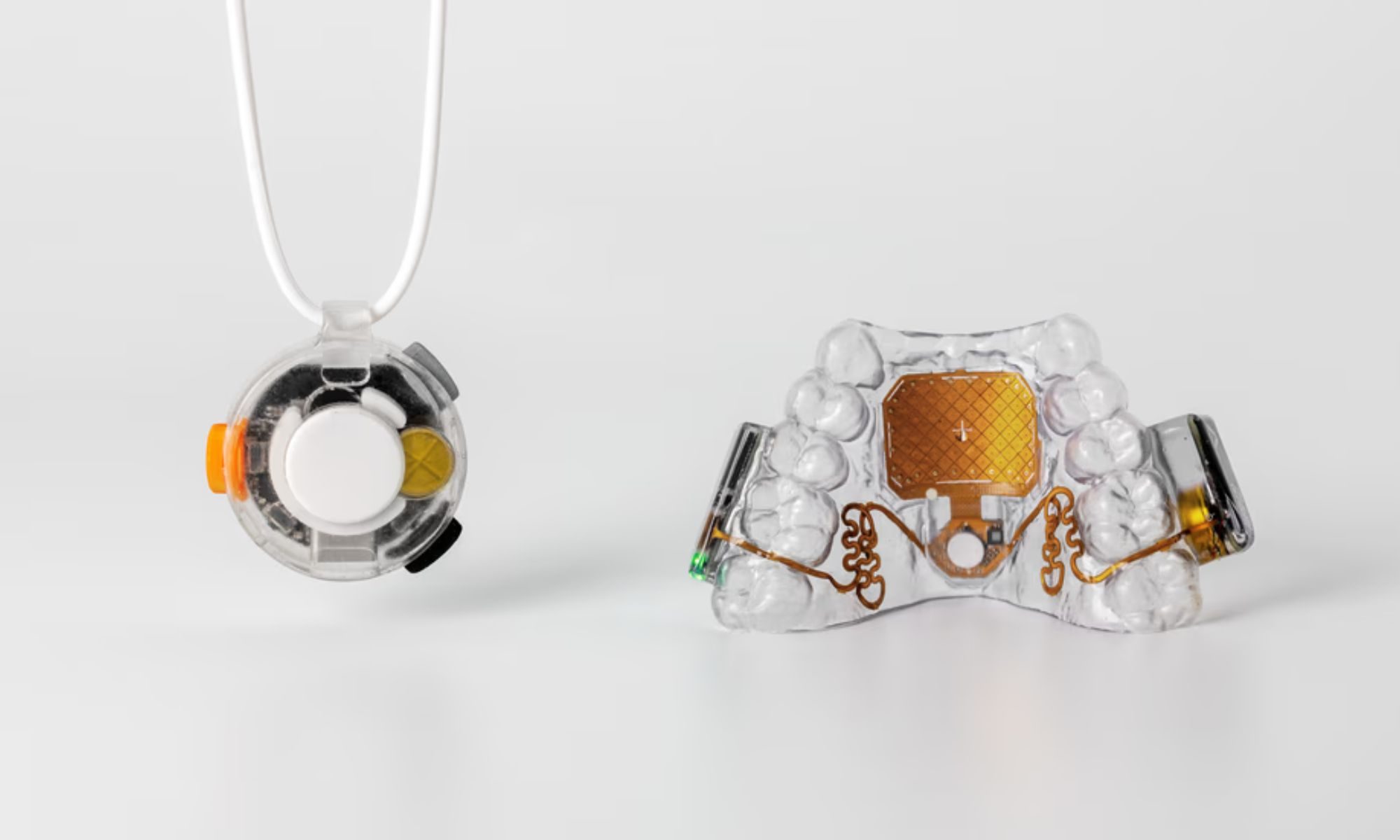
Augmental MouthPad and Vox featured

Augmental first showed off its tongue-controlled MouthPad as a CES curiosity in 2024. Today, the device is a real product you can buy, with the company opening public US sales alongside a beta release of Vox, a companion wearable built to handle the typing half of Augmental's hands-free computing promise.

A retainer that doubles as a mouse

Read more
Yet another study says AI is bad for elections, and the rabbit hole gets worse
AI may be an election bomb waiting for someone to light the fuse
Voters cast their ballots on Election Day

Another election, another study has concluded that asking an AI chatbot for political guidance is a spectacularly bad idea. Research conducted during Hungary’s 2026 parliamentary election found that ChatGPT and Google Gemini offered not just inaccurate but also inconsistent and unreliable voting advice. The chatbots misclassified voter profiles, overlooked relevant parties, recommended parties absent from the ballot, and sometimes produced materially different answers when given the same information repeatedly.

AI keeps failing the voter test

Read more
Samsung’s humanoid robot ambitions are real, but factories come first
Samsung’s new robotics division has humanoids in its sights, although its immediate business is far more practical factory automation
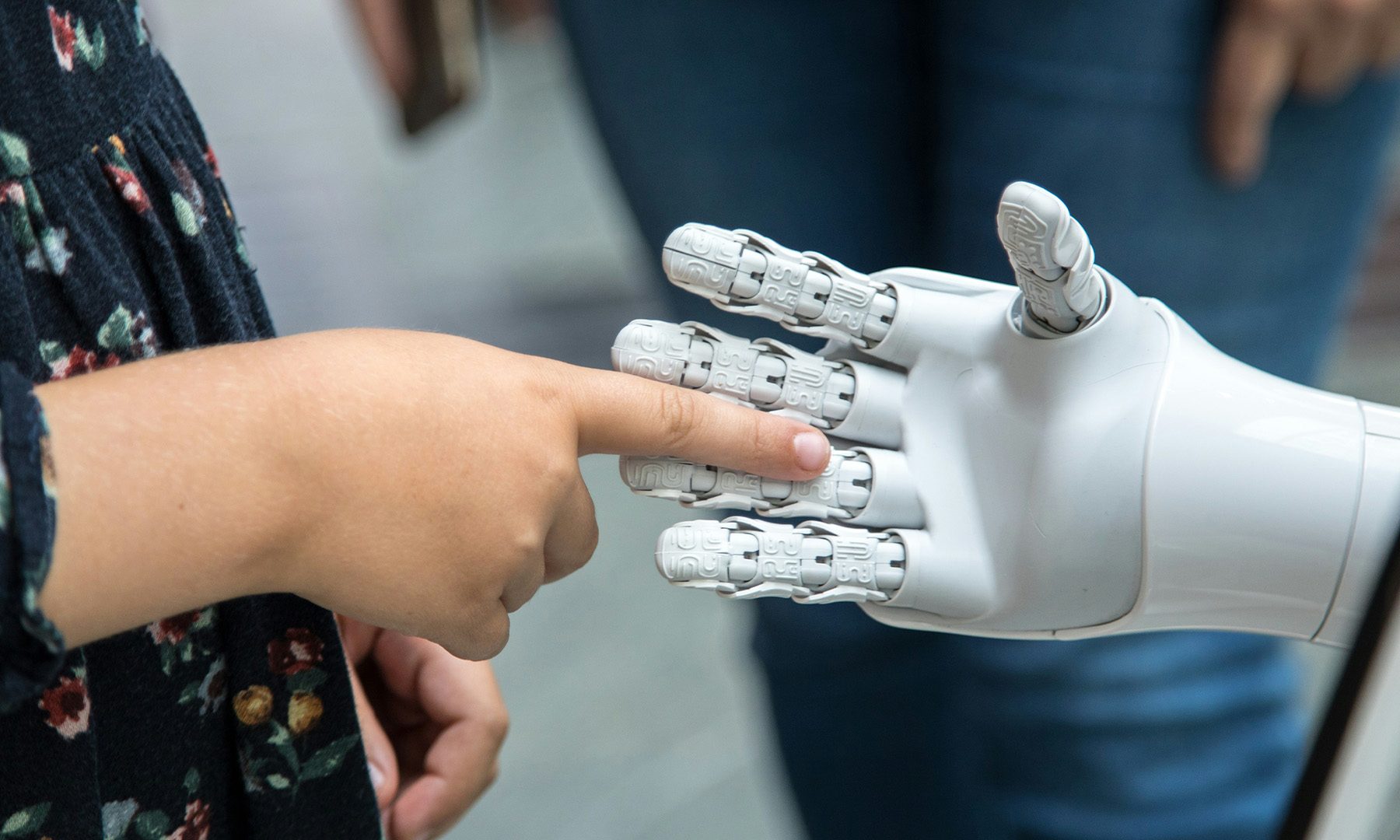
Robot Touch Human Finger

Samsung wants a place in the humanoid race, but its new robotics push begins with machines built for factories rather than homes.

The CEO-led RX robotics division will initially focus on manufacturing robots. Samsung has separately identified humanoids as a priority, although it hasn’t announced a commercial model or explained where one fits into the division’s immediate plans.

Read more