1. Home
  2. Emerging Tech
  3. News

NYPD has added a bunch of quadcopters to its crime-fighting kit

Add as a preferred source on Google

The New York Police Department (NYPD) is to start using drones for some of its work in the city.

Joining more than 900 other state and local police, fire, and emergency units across the country that are already making use of drones, the NYPD’s kit comprises 11 DJI Mavic Pro quadcopters, 2 DJI Matrice 210 RTK quadcopters, and 1 DJI Inspire 1 quadcopter.

Recommended Videos

The department will deploy the remotely controlled flying machines for a variety of operations, including search-and-rescue missions, crime scene investigations where the location is hard to access, hostage situations, and hazardous material incidents.

They will not be used for routine patrols, traffic enforcement, immobilizing vehicles or suspects, as a weapon or equipped with a weapon, or as a search tool without a warrant.

The drones will be deployed solely by licensed NYPD officers of the Technical Assistance Response Unit (TARU) who have received extensive training, the police department said.

NYPD

Commenting on the role drones are set to play in the operations of the NYPD, Police Commissioner James P. O’Neill said: “As the largest municipal police department in the United States, the NYPD must always be willing to leverage the benefits of new and always-improving technology.”

He added, “Our new [drone] program is part of this evolution — it enables our highly trained cops to be even more responsive to the people we serve, and to carry out the NYPD’s critical work in ways that are more effective, efficient, and safe for everyone.”

But the New York Civil Liberties Union (NYCLU) was quick to voice concern about the NYPD’s new drone policy, claiming that there are “no meaningful restrictions on police deployment of drones, paving the way for the NYPD to build a permanent archive of any behavior visible from the sky.”

It added that while there are “legitimate reasons why the NYPD may need to use high-tech equipment like drones to protect our city … law enforcement needs must always be balanced with the privacy rights of New Yorkers.”

The NYPD first tested drone technology almost a decade ago, but ended the trial program in 2011.

A growing number of public safety agencies around the world are turning to drones to aid them in their work, and the machines have already proved their worth in a number of incidents. Earlier this year, for example, cops in the U.K. used a drone with a thermal imaging camera to find a lost person who was in danger of succumbing to hypothermia, while rescuers in Hawaii used the technology to help guide people to safety as lava from Kilauea volcano flowed toward their property.

Trevor Mogg
Contributing Editor
Not so many moons ago, Trevor moved from one tea-loving island nation that drives on the left (Britain) to another (Japan)…
Yet another study says AI is bad for elections, and the rabbit hole gets worse
AI may be an election bomb waiting for someone to light the fuse
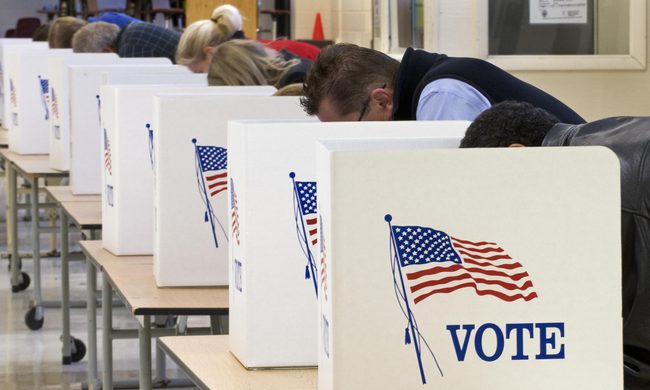
Voters cast their ballots on Election Day

Another election, another study has concluded that asking an AI chatbot for political guidance is a spectacularly bad idea. Research conducted during Hungary’s 2026 parliamentary election found that ChatGPT and Google Gemini offered not just inaccurate but also inconsistent and unreliable voting advice. The chatbots misclassified voter profiles, overlooked relevant parties, recommended parties absent from the ballot, and sometimes produced materially different answers when given the same information repeatedly.

AI keeps failing the voter test

Read more
Samsung’s humanoid robot ambitions are real, but factories come first
Samsung’s new robotics division has humanoids in its sights, although its immediate business is far more practical factory automation
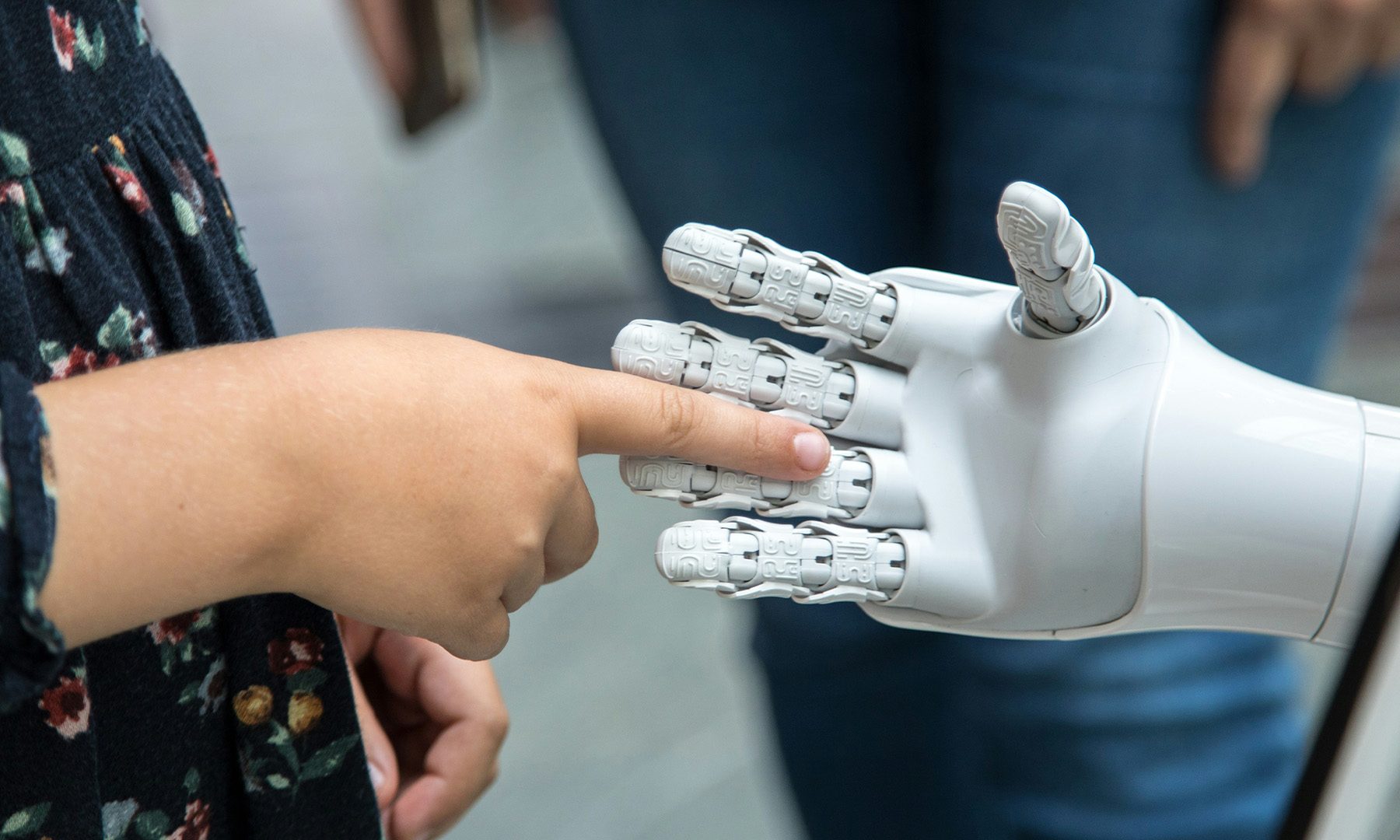
Robot Touch Human Finger

Samsung wants a place in the humanoid race, but its new robotics push begins with machines built for factories rather than homes.

The CEO-led RX robotics division will initially focus on manufacturing robots. Samsung has separately identified humanoids as a priority, although it hasn’t announced a commercial model or explained where one fits into the division’s immediate plans.

Read more
The future of AI may depend on this one behind-the-scenes change
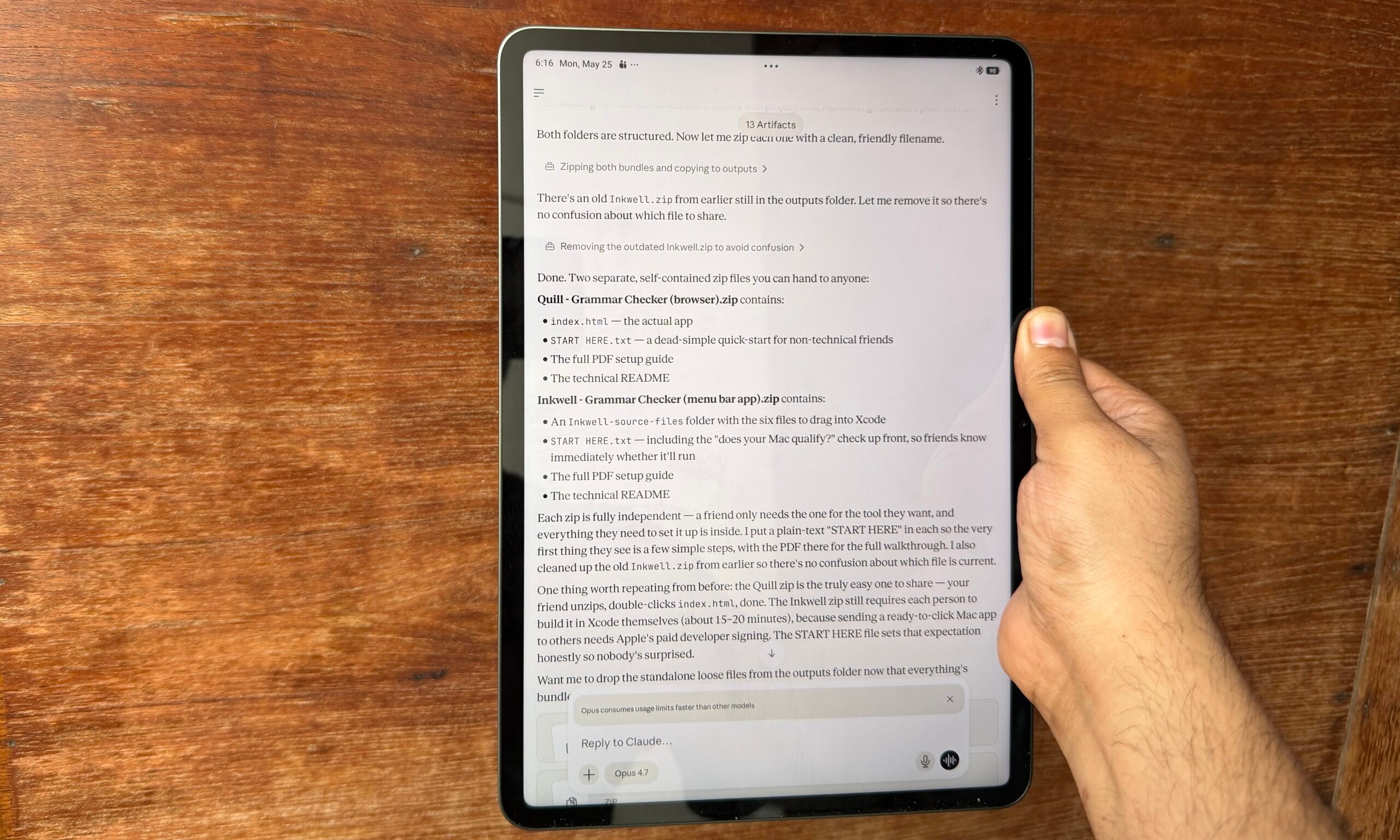
Running Claude on Android.

Whenever a new AI model arrives, it's easy to get caught up in the bells and whistles. We talk about how much smarter it is, how quickly it answers questions, or how realistic its images have become. But here's the thing: none of that matters much if the AI can't reliably work with the apps and services people use every day.

That's why an upcoming update to the Model Context Protocol (MCP) caught my attention. It isn't a new chatbot or a fancy AI model. In fact, most people will never even know it's happening. But it could quietly make the AI ecosystem a lot healthier. If you've never heard of MCP before, don't worry. Think of it as a shared language that lets AI assistants safely talk to apps like Gmail, Slack, calendars, databases, and countless other services. Instead of every company inventing its own way to make those connections, MCP gives everyone a common rulebook.

Read more