  1. Home
  2. Wearables
  3. Business
  4. Mobile
  5. News

Microsoft patent filing shows wearable that mitigates involuntary movements

Add as a preferred source on Google

Microsoft hasn’t been short of new patent ideas recently, but this latest one could be huge for certain people. A patent application has shown Microsoft has looked into the possibility of wearable technology being used to help manage the symptoms of involuntary movements commonly suffered by those with Parkinson’s disease or a variety of other disorders.
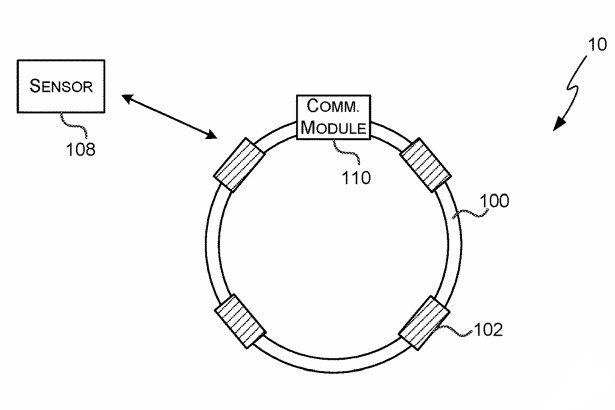
Image used with permission by copyright holder

Microsoft envisions such a device as consisting of several haptic actuators placed around a wearable band. The device would be able to receive data from a nearby device like a phone or a tablet via a Bluetooth connection, which could then be used to customize the device’s responses and usage. These motors would likely be able to move along the band, making it possible to physically customize the band to suit an individual’s needs.

Recommended Videos

One part of the patent application theorizes that the haptic actuators could be used in a therapeutic role, using stimulation to cut down on involuntary movements. “The wearable device may be worn close to a joint and used to affect (e.g. reduce or stabilize) involuntary movement of the joint or limb,” says the patent filing.

Alternatively, the wearable could detect unwanted movements and work with other connected devices to reduce their impact. The patent describes an example where a wrist-based wearable could work with a touch-based device with a stylus to detect and reduce the impact of such movements by either using the haptic actuators to reduce the movement, or by using device-based sensors to help correct any erroneous movements.

While that sort of device would not directly help to prevent tremors and involuntary movements, it may work in a similar way to devices like the Gyenno Spoon, which stabilizes unwanted motions, and helps sufferers to live an easier life.

An important part of the patent is Microsoft’s insistence that such a device would not be limited in form, and could be reduced to a small patch placed on specific areas, or could be integrated into clothing items like stockings or sleeves. Being able to blend such technology in with everyday life would be an important part of such a device, and it would likely dictate its success in the mass market.

Mark Jansen
Former Mobile Evergreen Editor
Mark Jansen is an avid follower of everything that beeps, bloops, or makes pretty lights. He has a degree in Ancient &…
The Galaxy Watch Ultra 2 is finally ready to dive, and the Watch 9 40mm gets a bigger battery
Galaxy Watch Ultra 2 may finally close the diving gap with the Apple Watch Ultra 3
The Samsung Galaxy Watch Ultra's case and screen.

Samsung’s upcoming smartwatches may have another couple of meaningful upgrades hiding up their sleeves. Newly leaked promotional images suggest the smaller Galaxy Watch 9 will receive a much larger battery than previously reported, while the Galaxy Watch Ultra 2 could finally be certified for recreational diving.

The images were shared by an X account using the @evleaks handle, although the prominent leaker Evan Blass has previously said the account does not belong to him. They appear to be official Samsung marketing materials and reveal a few details that were missing from earlier specification leaks.

Read more
Bose’s next QuietComfort headphones could steal the Ultra’s best features
Bose QuietComfort deal

For the last few years, Bose has been in a slightly awkward position. Its standard QuietComfort headphones have remained an easy recommendation, but they've also felt a little... forgotten. While the Ultra lineup grabbed the spotlight with new features and a refreshed design, the regular QuietComfort stayed the same. That may finally be about to change.

A new leak suggests Bose is preparing a QuietComfort (2nd Gen) model, and if it's accurate, this looks like Bose bringing its mainstream headphones much closer to its premium offering.

Read more
Camera anxiety is changing how young adults party
A BBC report finds Gen Z clubgoers increasingly on edge about being filmed, with the rise of Meta's smart glasses only adding to the unease.
People pointing cameras at a person in a club

Clubbing used to mean losing yourself on a dance floor without a second thought. Now, according to a BBC report, a growing number of young people say they can't fully relax on a night out because they're constantly scanning the room for cameras.

Smart glasses have made the problem harder to spot

Read more