1. Home
  2. Gaming
  3. News

Single-player ‘Star Citizen’ campaign ‘Squadron 42’ aims for 2020 beta release

Add as a preferred source on Google

Supporters of Star Citizen who have been waiting for the release of Squadron 42 will have to wait a bit longer to play the game, as creator Chris Roberts shared a blog post this week in which he announced that Squadron 42 should be released in beta in 2020.

The Squadron 42 roadmap shows the proposed timeline for the development of the game, with indicators of the progress on the 28 chapters so far and goals for when they should be completed, from Q4 2018 all the way to Q2 2020. If you click on an indicator, you can see more specific information about what updates have been made to that chapter recently and what phase the chapter is currently in. This unusual tracking system is linked to developer Cloud Imperium’s internal tracking system, so the public can see development as it happens at the studio.

Recommended Videos

The big news in terms of release dates is that Cloud Imperium plans to complete the game’s content by the end of 2019, then launch the alpha release for the first six months of 2020. After this, the beta should be released in Q2 2020.

Star Citizen made headlines back in 2012 when it raised $6.3 million via crowdsourcing, making it the highest earning crowdfunded game at the time. But the project suffered from severe delays, with the release date for Squadron 42 being pushed back from 2016 to 2017, and now to 2020. The latest update has been possible thanks to the $46 million in investment that Cloud Imperium received from private investors in exchange for 10 percent of the shares in the Cloud Imperium U.S. and U.K. companies. This investment has come along in tandem with new board members for Cloud Imperium.

Cloud Imperium needed this private investment because they decided against using a publisher for their game, which means the company must handle marketing and sales themselves as well as development. “As you all know I am not in favor of putting my destiny in the hands of a third party,” Roberts explained. He went on to describe the investment as a tool which “helps secure our independence” and which “gives Cloud Imperium the ability to take the long view when needed and allows us to grow as a company”.

Georgina Torbet
Georgina has been the space writer at Digital Trends space writer for six years, covering human space exploration, planetary…
Virtual taekwondo sounds like a gimmick until it solves the biggest fear of combat sports
The noncontact VR discipline is gaining momentum in Southeast Asia by keeping the athletic grind while reducing the injury risk that scares many people away.
Electronics, Screen, Person

Virtual taekwondo sounds ridiculous in the easiest way. Put on a headset, strap sensors to your body, kick at empty air, and call it a combat sport. Somewhere, Wii Sports is quietly stretching.

Athletes are still kicking, reacting, and gasping through the work. The difference is that the hits land on avatars instead of bodies.

Read more
This VR empathy game could be the start of something much creepier
Rekindle uses face-tracking biometrics to deepen player involvement, but the same idea could eventually shape therapy tools, safety systems, and emotionally responsive interfaces.
VR Headset, Accessories, Goggles

A new VR empathy game called Rekindle turns facial expressions into part of the controls. The game asks players to perform emotions, then watches their faces to see whether those reactions match the scene.

The first-person story centers on memory, identity, and empathy for the LGBTQ+ community. Players move through a dystopian future where sexual identity has been targeted and erased, collecting memory fragments tied to the protagonist’s experience.

Read more
PlayStation’s disc-killing move may have blindsided the very partners keeping its games business alive
Sony’s reported shift away from physical discs allegedly caught publishers, regional teams, and retail partners off guard, turning a gamer ownership fight into a business trust problem.
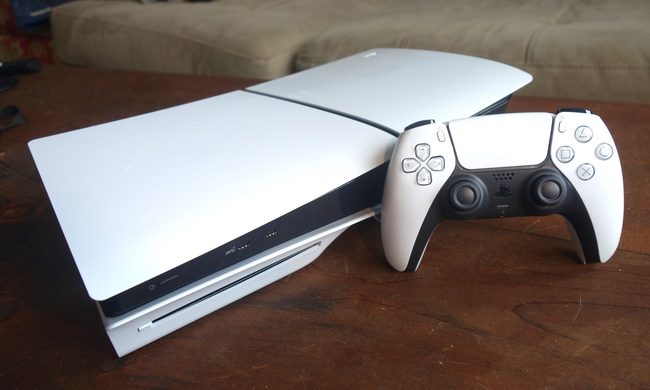
A PS5 sits on a table with a DualSense standing up next to it.

PlayStation’s reported move away from physical discs already looked bad for players who still care about owning games. Now it sounds messy for the companies expected to sell, support, and build around Sony’s ecosystem.

High Chaos Run reports that Sony’s decision to end physical disc production for PS5, and likely PS6 in 2028, came without warning publishers, business partners, or some regional operations. If accurate, Sony didn’t only create another fight over PlayStation discs. It left parts of its own games business catching up after the decision was already public.

Read more