  1. Home
  2. Computing
  3. News

Microsoft applies for smart fabric patent for use in Surface laptops, wearables

Add as a preferred source on Google
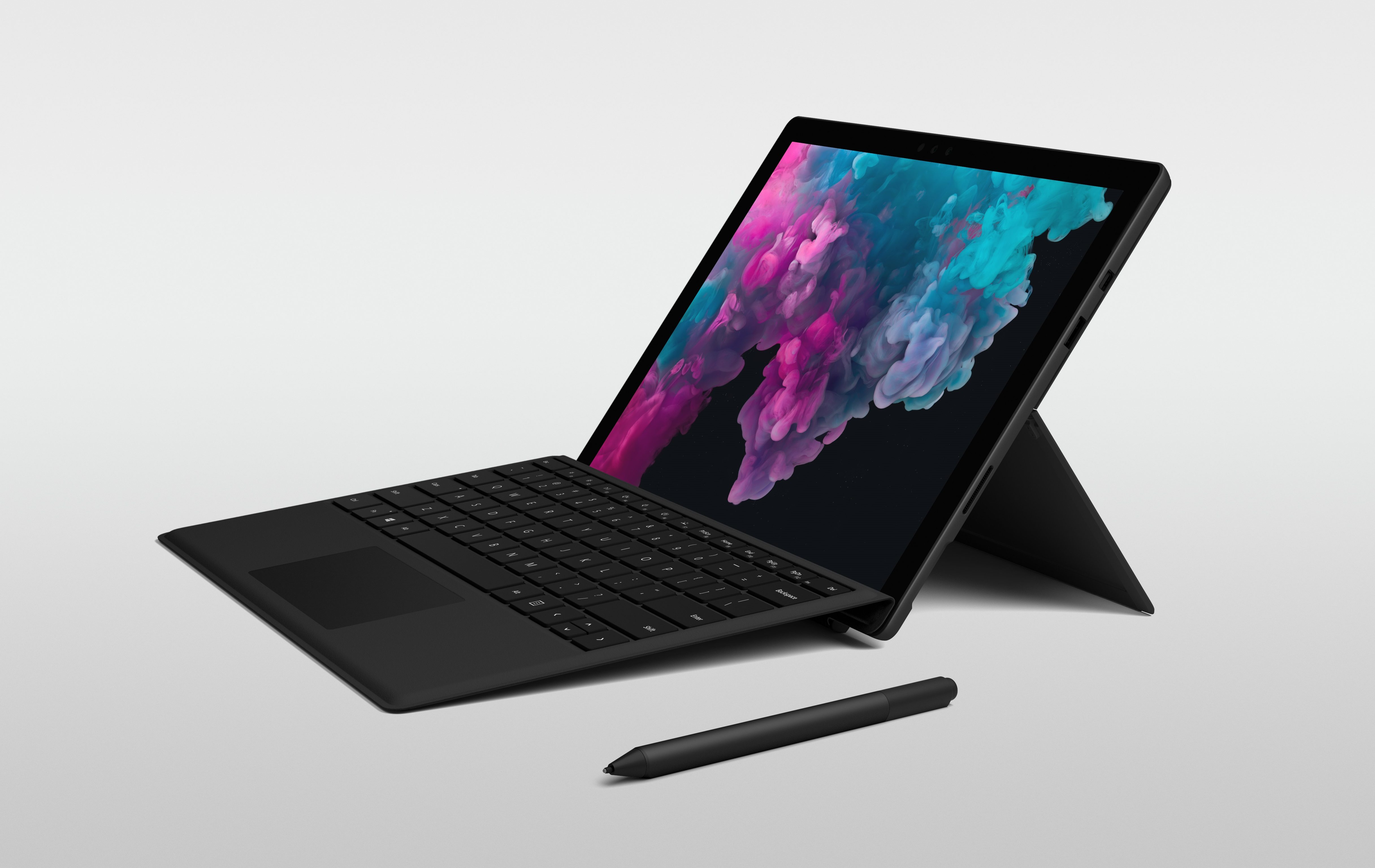
Microsoft Press Photo of Surface Pro 6
Microsoft Image Gallery/Microsoft

Our favorite gadgets may soon offer touch-sensitive surfaces made out of something other than glass.

According to Windows Latest, Microsoft recently filed a patent application with the United States Patent and Trademark Office for its development and proposed usage of touch-sensitive smart fabric technology.

Recommended Videos

The patent application, which was filed in July of 2017 and published on January 24, 2019, describes how the technology conglomerate intends to implement its touch-sensitive smart fabric in a variety of its existing product lines.

The tech appears to involve touch sensors integrated with fabrics to give users more ways to interact with their devices by using touch gestures. Microsoft’s application for the smart fabric patent includes a number of possible of uses for the touch-sensitive fabric. Such proposed uses included its incorporation in tablets, personal computers, holographic computers with head-mounted displays, wearable wristband computing devices, and even home furniture.

The patent application doesn’t name the product lines that could be affected by Microsoft’s proposed use of smart fabrics. However, based on the application’s included descriptions and diagrams of each possible use, it is fairly likely, as both Windows Latest and MSPoweruser reported, that Microsoft HoloLens, Surface 2-in-1 laptops, and Surface tablets will be impacted.

If the smart fabric technology ends up actually being used by Microsoft, the patent application went into some detail as to how it would look when used. For tablets, the smart fabric could be located on the “front side surfaces” and on “a back surface.” For the HoloLens, the fabric would most likely be embedded in the HoloLens’ adjustable band to allow users to control things like a “virtual cursor” and the device’s volume, as well as “scroll through settings.” Smart wristbands (or watches) were also mentioned in the patent application, and their description included the possible use of smart fabrics in the development of GSR (galvanic skin response) sensors, heart rate sensors, and even temperature sensors.

As for home furniture, the patent application shows a diagram in which a computing device is embedded in the arm of what looks like a sofa. But the written description goes further, stating that Microsoft’s smart fabric could also be used to control things like televisions, desktop computers, lighting, and appliances.

Anita George
Anita George has been writing for Digital Trends' Computing section since 2018. So for almost six years, Anita has written…
AI image generators have escaped nightmare fingers and entered the fake premium era
Meta Muse, Gemini, and ChatGPT can now make clean, usable images. They also keep making reality look like a product render with feelings.
Terminal, Railway, Train

I expected this comparison to be uglier. Meta Muse, Gemini Nano Banana 2, and ChatGPT Images 2.0 sounded like a perfect setup for plastic faces, mangled hands, fake products, and posters written in haunted alphabet soup. Instead, they were mostly competent, which somehow made the whole thing more suspicious.

These aren’t identical tools wearing different logos. Meta pitches Muse Image as a social image model living inside Meta AI and its apps. Google frames Nano Banana 2 around speed, editing, and Gemini’s broader knowledge. OpenAI sells ChatGPT Images 2.0 on text rendering, visual control, and stronger prompt handling. Different ambitions, same polished little showroom.

Read more
DuckDuckGo’s browser now blocks the YouTube ads everyone hates
DuckDuckGo adds a Brave-like YouTube ad blocking feature
Text, Aircraft, Airplane

DuckDuckGo has spent the past few months gaining fresh attention as more users look for alternatives to Google’s increasingly AI-heavy Search experience. Now, the privacy-focused company is adding a feature that could make its browser even more tempting for everyday use. DuckDuckGo says its browser can now block most video ads, including those on YouTube, when a video is playing inside the browser.

What’s happening?

Read more
ChatGPT Live could make talking to AI feel straight out of the movies
We might finally get the AI sidekick sci-fi movies promised
Elderly women using ChatGPT live on a smartphone

AI voice assistants have been chasing the sci-fi dream for years, but they still have a hard time holding a conversation with humans. Most voice systems still need clear turns, clean pauses, and a few seconds before they respond. OpenAI is now rolling out GPT-Live, a new voice model for ChatGPT Voice that is designed to make those exchanges feel faster and less scripted.

The main upgrade is what OpenAI calls a full-duplex architecture. In simpler terms, GPT-Live can listen and speak at the same time. It continuously processes what the user is saying while also generating its own response, allowing it to decide when to talk, when to pause, when to keep listening, and when to use a tool.

Read more