  1. Home
  2. Emerging Tech
  3. News

Readying for Mars mission, rover finds clues to life in the Chilean desert

Add as a preferred source on Google

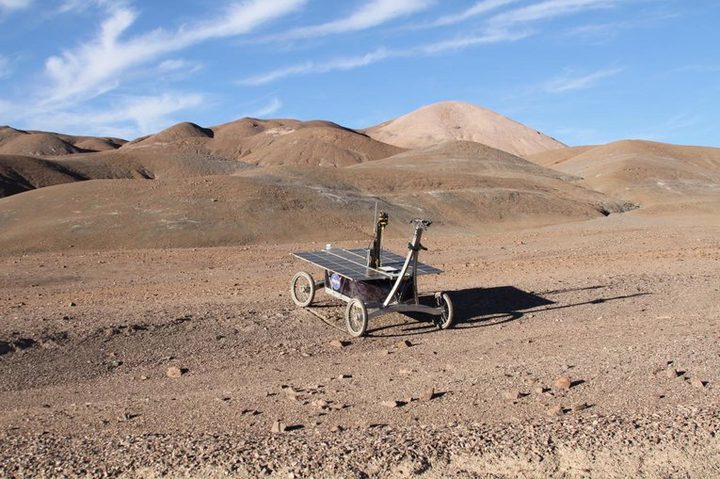
A trial NASA rover mission in the Mars-like Atacama desert. Prof Stephen B. Pointing

Ever wondered how the Mars Curiosity rover was trained? With no tech support available on Mars, engineers have to plan out exactly how the rover will navigate the alien environment and collect samples before sending anything into space. Now a rover testing out Mars-like environments here on Earth has successfully collected soil samples in a trial mission to find signs of life.

Recommended Videos

The as-yet unnamed rover has been exploring a remote patch of the Atacama Desert in Chile, the closest environment to Mars that researchers could find. The ground there is very dry, sometimes going decades with rain, the sun beats down on the surface leading to high levels of UV radiation, and the soil is very salty. All of these factors make the desert as similar to the surface of Mars as possible, making it the ideal location to test Mars rovers.

The testing rover managed to dig down up to 80cm into the subsurface soil and to collect samples, which were then compared to samples that the team collected by hand. They found similar results in both sets of samples, indicating that the rover did a good job at carefully collecting sediment from the correct depths.

Within these samples the researchers found unusual and highly specialized microbes which are related to the very limited availability of water and nutrients in the area and the chemistry of the soil. These microbes were unlike those previously found on the surface of deserts, having adapted to the high levels of salt and low levels of water. The microbes are similar to what scientists expect any potential life on Mars would be like.

“We have shown that a robotic rover can recover subsurface soil in the most Mars-like desert on Earth,” Stephen Pointing, Professor at Yale-NUS College, Singapore and leader of the microbial research, said in a statement. “This is important because most scientists agree that any life on Mars would have to occur below the surface to escape the harsh surface conditions where high radiation, low temperature and lack of water make life unlikely.”

The research is published in the journal Frontiers in Microbiology.

Georgina Torbet
Georgina has been the space writer at Digital Trends space writer for six years, covering human space exploration, planetary…
You can now buy a computer mouse controlled entirely by your tongue
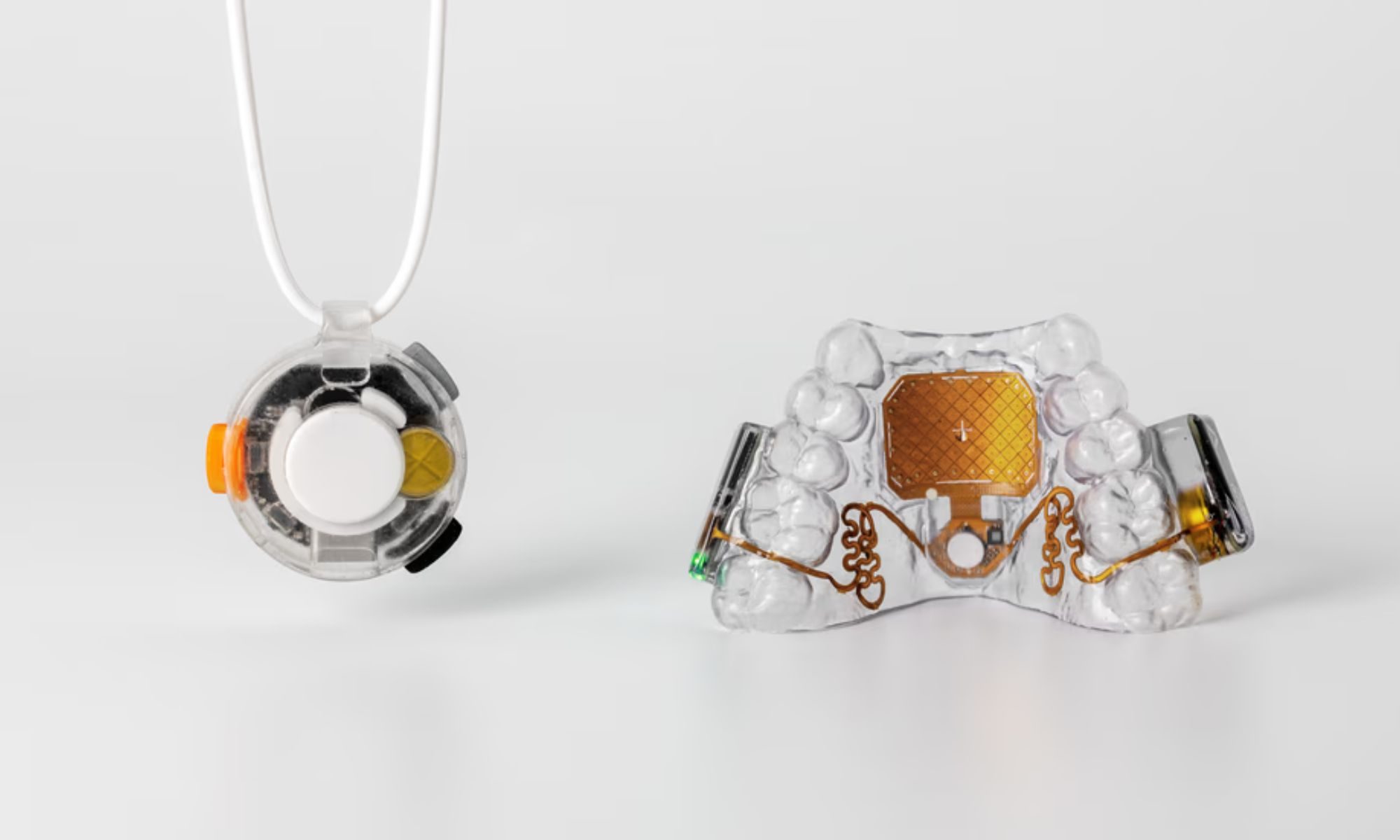
Augmental has opened public sales of the MouthPad, and introduced a new wearable that lets you type hands-free.
Augmental MouthPad and Vox featured

Augmental first showed off its tongue-controlled MouthPad as a CES curiosity in 2024. Today, the device is a real product you can buy, with the company opening public US sales alongside a beta release of Vox, a companion wearable built to handle the typing half of Augmental's hands-free computing promise.

A retainer that doubles as a mouse

Read more
Yet another study says AI is bad for elections, and the rabbit hole gets worse
AI may be an election bomb waiting for someone to light the fuse
Voters cast their ballots on Election Day

Another election, another study has concluded that asking an AI chatbot for political guidance is a spectacularly bad idea. Research conducted during Hungary’s 2026 parliamentary election found that ChatGPT and Google Gemini offered not just inaccurate but also inconsistent and unreliable voting advice. The chatbots misclassified voter profiles, overlooked relevant parties, recommended parties absent from the ballot, and sometimes produced materially different answers when given the same information repeatedly.

AI keeps failing the voter test

Read more
Samsung’s humanoid robot ambitions are real, but factories come first
Samsung’s new robotics division has humanoids in its sights, although its immediate business is far more practical factory automation
Robot Touch Human Finger

Samsung wants a place in the humanoid race, but its new robotics push begins with machines built for factories rather than homes.

The CEO-led RX robotics division will initially focus on manufacturing robots. Samsung has separately identified humanoids as a priority, although it hasn’t announced a commercial model or explained where one fits into the division’s immediate plans.

Read more