It’s been known for some time that Apple has been working on augmented reality glasses, but on Friday, March 8, some more details on the project were revealed. According to an investor note sent by reliable Apple analyst Ming-Chi Kuo, Apple’s AR glasses could be released soon, with mass-manufacturing starting in the fourth quarter of 2019, but not later than the second half of 2020, 9to5Mac notes
While previous rumors have indicated that Apple’s AR glasses could be powered by an independent operating system, Kuo said that it will instead be “heavily dependent” on an iPhone. That means that the glasses will likely only feature a display, a camera, and the necessary wireless connectivity components. Compared to Microsoft’s Hololens, the glasses could also be lighter and much more comfortable, as an iPhone would handle all the processing power for the experience. It’s still not clear from Kuo’s note how exactly the headset would pair with an iPhone, but it could work similar to the Apple Watch.
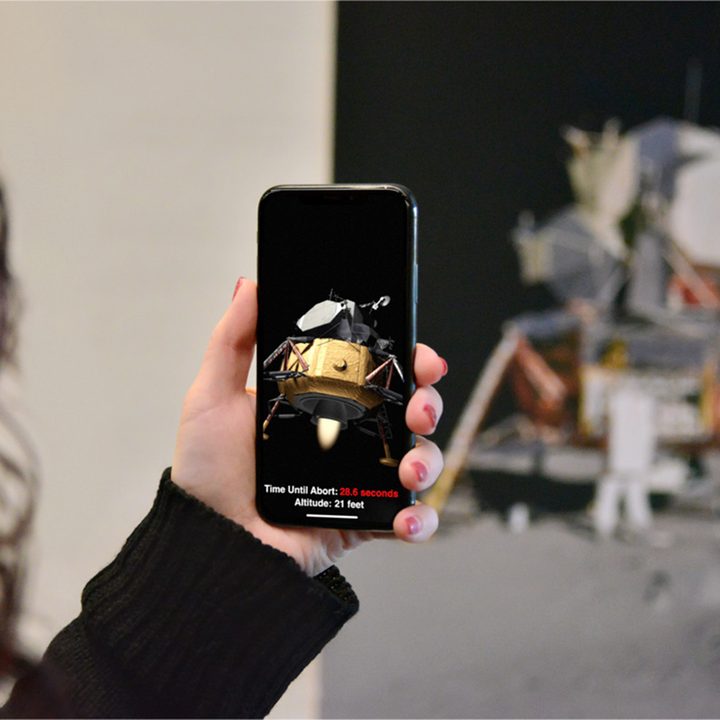
It also remains unknown how the battery life and processing performance of iPhones and other iOS devices will be impacted when used with the glasses. Apple already is heavily invested in AR, best demonstrated with various apps available through its ARKit platform. This likely means existing iPhones could likely more than powerful enough to handle connections and experiences associated with these glasses. Apple has also patented multiple AR-related technologies and previously acquired companies related to the manufacturing of displays for AR glasses, according to Tom’s Guide.
If Kuo’s predictions hold up to be true, it will be interesting to see how the new accessory would fit in with Apple’s ecosystem. With Apple’s AR glasses naturally now appearing to be being linked exclusively to iOS devices, consumers could likely be convinced into purchasing iPhones or iPads just to enjoy the experience. It also could keep the final price of the headset down.
In a somewhat similar matter, Microsoft’s Windows Mixed Reality headsets already pair up with Windows 10 PCs (but with wired connections and an indoors limitation.) Once these glasses are released, Apple could shake up the market for AR, virtual reality, and other mixed reality headsets. It would give Microsoft, Facebook, HTC, and others a run for the money.