  1. Home
  2. Phones
  3. Android
  4. Business
  5. Mobile
  6. News

Google I/O: Android Q aims to bring app permissions firmly under control

Add as a preferred source on Google
Image used with permission by copyright holder

Google is capitalizing on Google I/O 2019 to detail how it intends to make Android app permissions and security better in Android Q, which will, in turn, make your smartphone a safer, more secure place for your data.

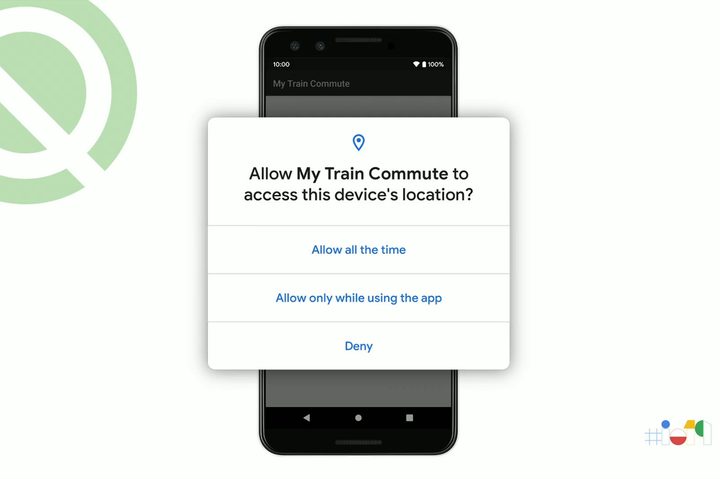
The biggest change to Android Q’s permissions is the addition of a more targeted system. At the moment, granting a permission in Android is an analog process — you either grant an app storage permission or you don’t. While that makes everything nice and simple, it means that there are no limits on the app where timing is concerned.

Recommended Videos

In Android Q, you’ll be able to specify that you only want to grant an app permission to access your location data while you’re using that specific app. This means a chat app will no longer be able to access your location data while it’s not being used, but you’ll still be able to send your location to your friend when you need to.

Adding new options to permissions is only the beginning. Google is also asking app developers to find ways around permissions if they don’t need to be used — for instance, by using “Retreiver APIs” to pull relevant data, instead of granting blanket permissions that make users suspicious. Google highlighted how SMS Retrieval APIs can be used to confirm text message confirmation codes without the need to ask for SMS permissions.

There are times when permissions are absolutely required, and Google is also asking developers to make the reasons behind permissions more apparent. Only 18% of Android users allow apps all the permissions they request, and the top reason for denial is that the “app shouldn’t need the permission.” In those cases, it’s on the app developer to explain why it is their app needs these permissions.

Android Q will also be locking down some of your device’s individual indentifiers, including the IMEI, ESN, Build, SIM, and USB numbers. These hardware identifiers used to be available through certain permissions. An Android Q device’s MAC address is also completely randomized when connecting to a different network. Changing the way these elements of Android work significantly boosts user security.

Mark Jansen
Former Mobile Evergreen Editor
Mark Jansen is an avid follower of everything that beeps, bloops, or makes pretty lights. He has a degree in Ancient &…
Geekbench now lets you check how a phone will actually handle your boring daily chores
New tests, smarter scores, and finally some love for NVIDIA GPUs.
Geekbench 7 open on iPhone

Geekbench, the popular cross-platform benchmark from Primate Labs, just got a major update. Geekbench 7 is out today, and you can download it on Android, iOS, Windows, macOS, and Linux. If you like to know exactly how your CPU and GPU stack up, this update brings a bunch of changes worth knowing about.

What's new in the CPU tests?

Read more
Latest Pixel 11 series leak offers the clearest look yet at Google’s next flagship
Google's next Pixel has leaked again, but this time almost nothing is left to imagine
Pixel 11

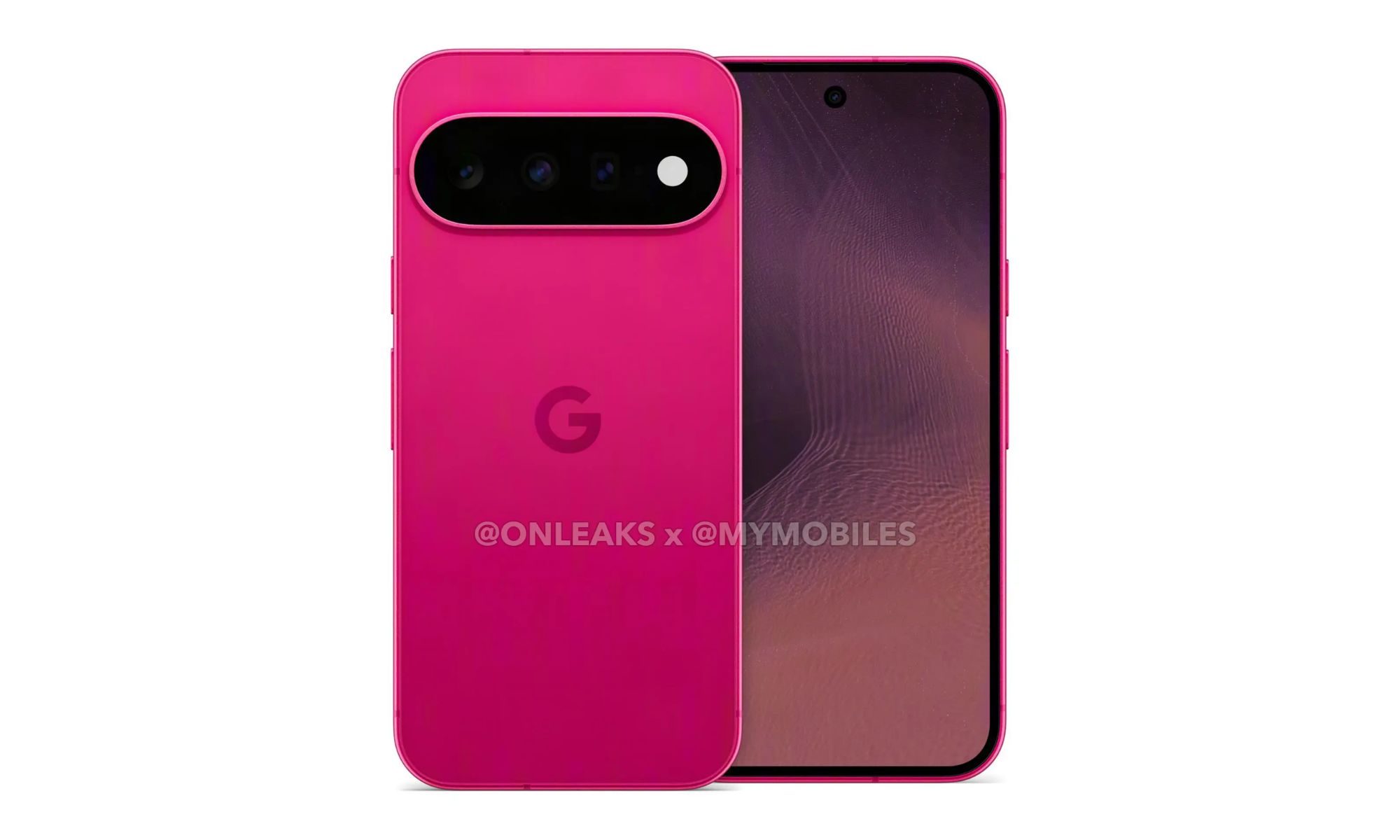
Google's Pixel launches have become increasingly difficult to keep under wraps, and the Pixel 11 series appears to be no exception. Weeks before Google's scheduled August 12 launch event, a fresh leak has revealed what is claimed to be the complete set of official press renders for the Pixel 11, Pixel 11 Pro and Pixel 11 Pro XL, showcasing every colour option across the lineup.

The renders, published by MyMobiles in collaboration with tipster OnLeaks, offer what is arguably the most comprehensive look yet at Google's next flagship family. If authentic, they not only confirm earlier design leaks but also reveal Google's colour strategy for 2026, including a vibrant Fuchsia finish for the standard model and a new copper-inspired "Dune" variant for the Pro series.

Read more
Galaxy Z Flip 8 vs. Motorola Razr Ultra (2026): Samsung’s flip phone is cheaper, but is it better?
One flip phone wins on value. The other wins on hardware.
Electronics, Phone, Mobile Phone

Flip phones have quietly become one of the most competitive corners of the smartphone market. It provides buyers with a satisfying folding snap, reducing the footprint to half the original size, and that’s the entire point. Motorola never really left the format after reviving the Razr name, while Samsung has spent generations treating the Flip line as its scrappy, budget-friendlier sibling to the Fold. 

This year, though, the gap between the two camps has narrowed to the point where picking a winner requires genuinely reading the spec sheet and learning about the phones before putting your money into one. One phone leans hard into raw display firepower, while the other leans into a deeper software ecosystem and a friendlier price tag. 

Read more