
  1. Home
  2. Emerging Tech
  3. News

Microalgae could be key to efficient life support system in space

Add as a preferred source on Google

Chlorella vulgaris cells under the microscope. These microalgae have a variety of uses on Earth and may be part of life support systems on future space voyages. Institute of Space Systems – University of Stuttgart, Germany

Making sure astronauts on space missions have sufficient supplies is a major challenge. Not only does food need to be sent up to locations like the International Space Station (ISS) in expensive resupply launches, but a further problem is making sure that astronauts have enough water and oxygen for their needs as well.

Recommended Videos

It’s also hard to ensure that the astronauts are getting sufficient nutrition from their diet. Ideally the astronauts would be able to grow their own food on the space station, but plants react strangely to microgravity so it’s hard to grow fruits and vegetables successfully.

The current life support systems used in space use chemical reactions to create water and oxygen and to recycle carbon dioxide. But a new system could use algae to produce oxygen, water, and even food.

The tiny plants are called microalgae and they remove concentrated carbon dioxide from the atmosphere and turn it into oxygen and plant matter through photosynthesis. A team from the Institute of Space Systems at the University of Stuttgart, Germany, has shown that a particular type of microalgae, Chlorella, is up to ten times more efficient at photosynthesis than other plants.

“Chlorella biomass is a common food supplement and can contribute to a balanced diet thanks to its high content of protein, unsaturated fatty acids, and various vitamins, including B12,” co-investigator and biotechnologist Harald Helisch at the Institute of Space Systems said in a statement.

Now the microalgae is being grown on board the ISS for 180 days to see if it is stable and able to produce oxygen and food long-term. After this time the sample will be returned to Earth so the scientists can investigate the effects of the microgravity and space radiation on the plants.

In the future, the scientists will look at whether the algae can be processed into edible food and whether it could also be used in the treatment of waste water aboard the station.

And if you’re worried for the tastebuds of the astronauts who may one day have to eat the algae, apparently you needn’t be. According to Helisch it’s quite palatable: “If you like sushi, you will love it,” he said.

Georgina Torbet
Georgina has been the space writer at Digital Trends space writer for six years, covering human space exploration, planetary…
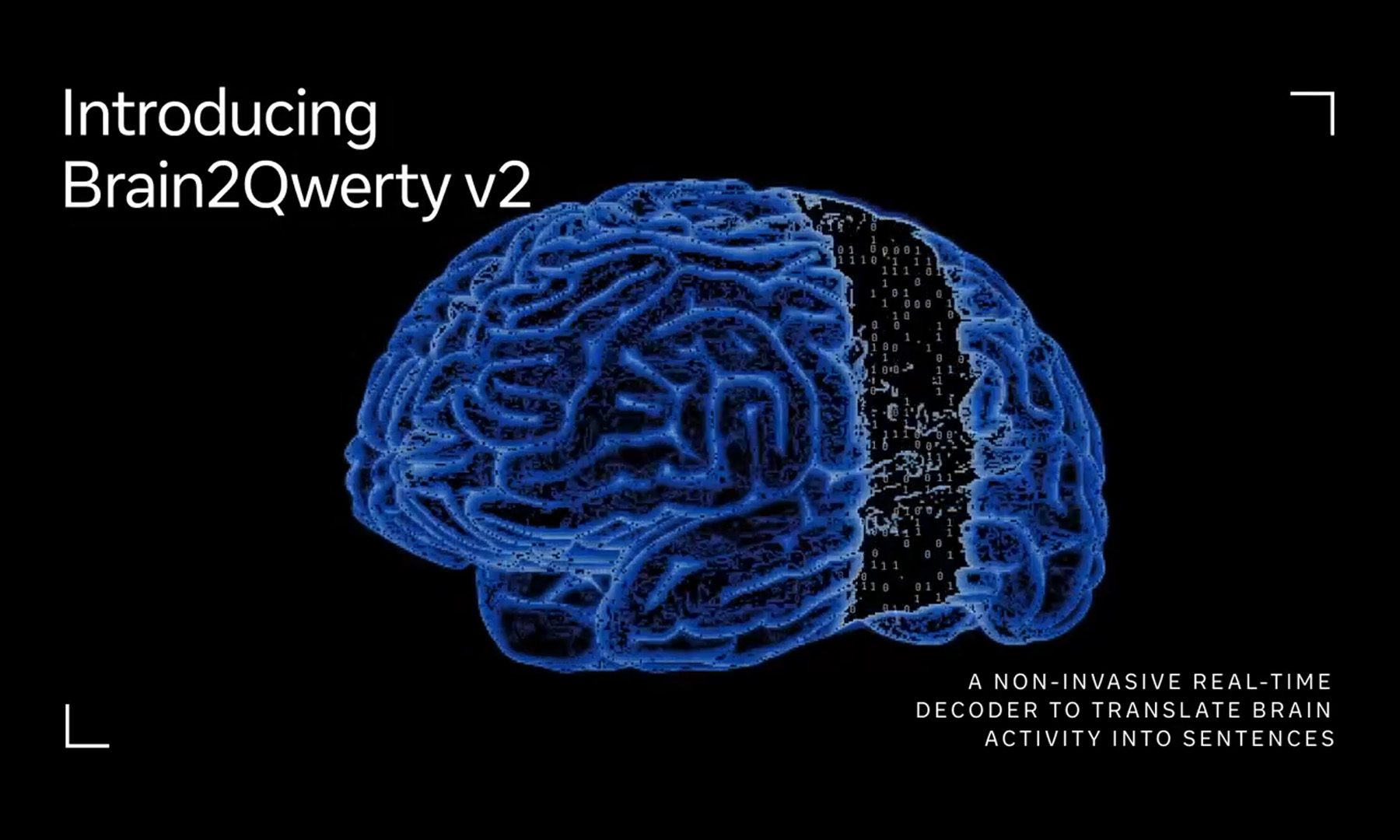
Meta’s Brain2Qwerty v2 turns thoughts into text, and it doesn’t need brain implants
The latest AI model decodes brain signals into coherent sentences using external scanners.
Meta Brain2Qwerty v2 Featured

Artificial intelligence is getting surprisingly good at understanding humans. Now, Meta wants it to understand our brains too. The company has unveiled Brain2Qwerty v2, an upgraded AI system that can translate brain activity into full sentences, all without requiring brain implants or surgery. The goal isn't mind reading for the masses. Instead, it's to help people who have lost the ability to speak communicate again.

How a Brain-powered keyboard works

Read more
AI chatbots can often feed into your delusions. Researchers say you should look for three signs
Experts warn that chatbot design choices can reinforce unhealthy beliefs in vulnerable users.
ChatGPT on a smartphone

Artificial intelligence chatbots have become incredibly good at sounding human. But a new review paper by psychiatrist Marc Augustin and fellow researchers Thomas A. Pollak and Helen Morrin, published in NPP—Digital Psychiatry and Neuroscience, argues that existing AI research points to an overlooked psychological risk. The paper, highlighted by The Wall Street Journal, reviews previous studies and proposes a framework explaining how three common chatbot behaviors can combine to reinforce delusional thinking in vulnerable users, creating what the authors call an "amplification spiral."

Researchers say these are the three warning signs

Read more
Lost access to your crypto wallet? Don’t Google your way out of it
Security researchers warn that fake recovery tools are becoming the latest trap for crypto owners.
Bitcoin crypto wallet featured

Forgetting the recovery phrase to a crypto wallet can be stressful enough. Unfortunately, that's exactly the moment scammers are waiting for. A new warning highlights a growing scam in which cybercriminals disguise malware as cryptocurrency recovery software, tricking desperate users into handing over far more than just access to their wallets.

The fake recovery tool that's actually malware

Read more