1. Home
  2. Emerging Tech
  3. News

Gold on Earth could be result of neutron star collision 4.6 billion years ago

Add as a preferred source on Google

Artist’s illustration of two colliding neutron stars. NASA/Swift/Dana Berry

If you enjoy a bit of bling in your life, you could have a billion year old cosmic event to thank for it. Scientists believe that the collision of two neutron stars 4.6 billion years ago could have been the source of some of Earth’s heaviest elements, including gold and platinum.

Recommended Videos

Neutron stars are incredibly dense and heavy, and when two collide the event is violent and epic. One such collision is believed to have occurred close to our solar system, at a distance of about 1000 light-years away, about 100 million years before the Earth was formed. “If a comparable event happened today at a similar distance from the solar system, the ensuing radiation could outshine the entire night sky,” Astrophysicist Szabolcs Márka from Columbia University said in a statement.

The collision would have sent heavy elements spiraling out into the dust cloud of our early solar system. The scientists have calculated that 0.3% of Earth’s heavy elements came from this single event. “This means that in each of us we would find an eyelash worth of these elements, mostly in the form of iodine, which is essential to life,” fellow scientist Imre Bartos of the University of Florida said in the same statement.

The duo tracked the effects of the neutron star collision by looking at the composition of meteorites and how this compared to simulations of the Milky Way. As they were formed in the early solar system, meteorites have traces of radioactive isotopes which act as markers that show their age and give clues about their origin. By measuring the decay of these radioactive isotopes, scientists can work out how old they are.

These results not only give an insight into the history of our planet, but also raise existential implications about our place in the universe.

“Our results address a fundamental quest of humanity: Where did we come from and where are we going?” Márka said. “It is very difficult to describe the tremendous emotions we felt when we realized what we had found and what it means for the future as we search for an explanation of our place in the universe.”

The findings are published in Nature.

Georgina Torbet
Georgina has been the space writer at Digital Trends space writer for six years, covering human space exploration, planetary…
You can now buy a computer mouse controlled entirely by your tongue
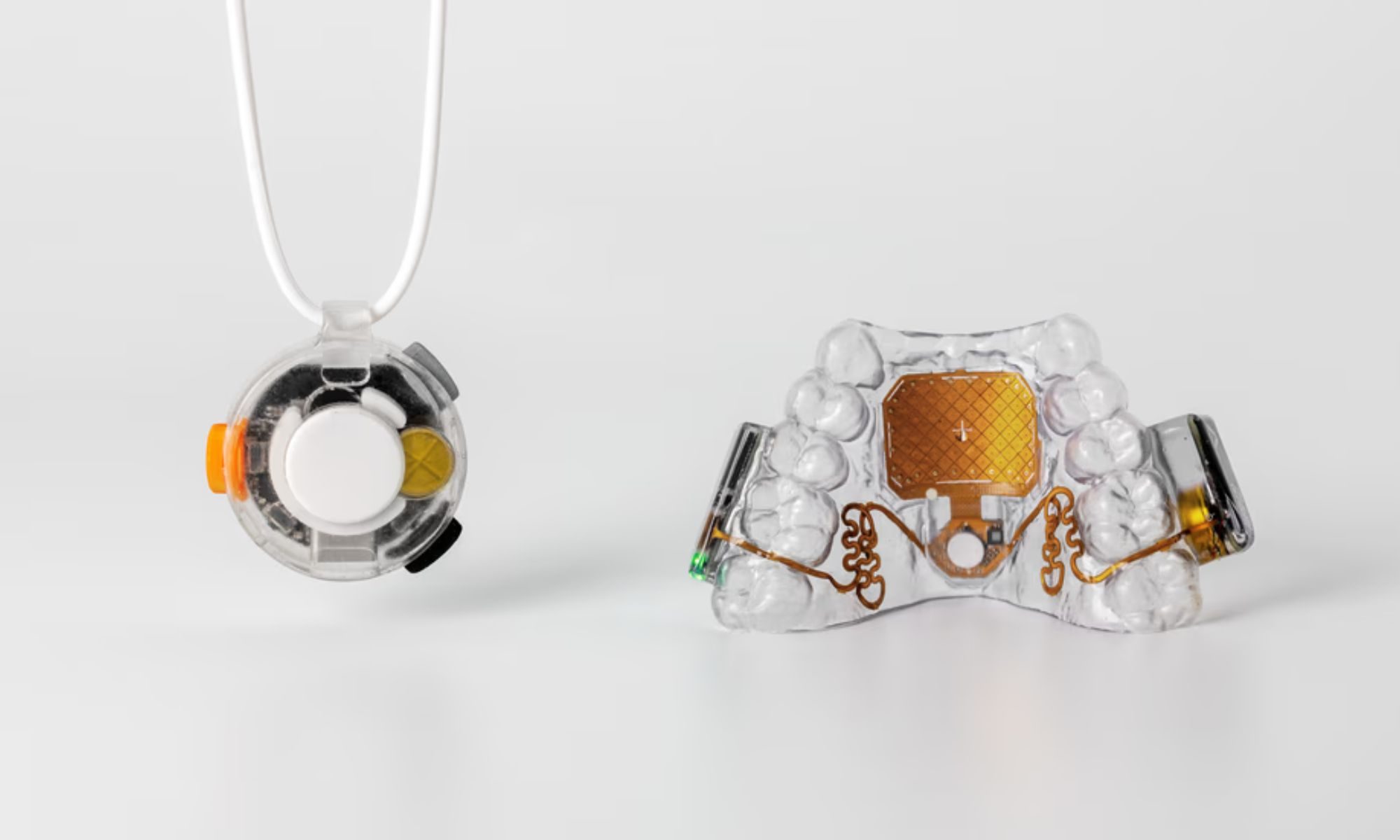
Augmental has opened public sales of the MouthPad, and introduced a new wearable that lets you type hands-free.
Augmental MouthPad and Vox featured

Augmental first showed off its tongue-controlled MouthPad as a CES curiosity in 2024. Today, the device is a real product you can buy, with the company opening public US sales alongside a beta release of Vox, a companion wearable built to handle the typing half of Augmental's hands-free computing promise.

A retainer that doubles as a mouse

Read more
Yet another study says AI is bad for elections, and the rabbit hole gets worse
AI may be an election bomb waiting for someone to light the fuse
Voters cast their ballots on Election Day

Another election, another study has concluded that asking an AI chatbot for political guidance is a spectacularly bad idea. Research conducted during Hungary’s 2026 parliamentary election found that ChatGPT and Google Gemini offered not just inaccurate but also inconsistent and unreliable voting advice. The chatbots misclassified voter profiles, overlooked relevant parties, recommended parties absent from the ballot, and sometimes produced materially different answers when given the same information repeatedly.

AI keeps failing the voter test

Read more
Samsung’s humanoid robot ambitions are real, but factories come first
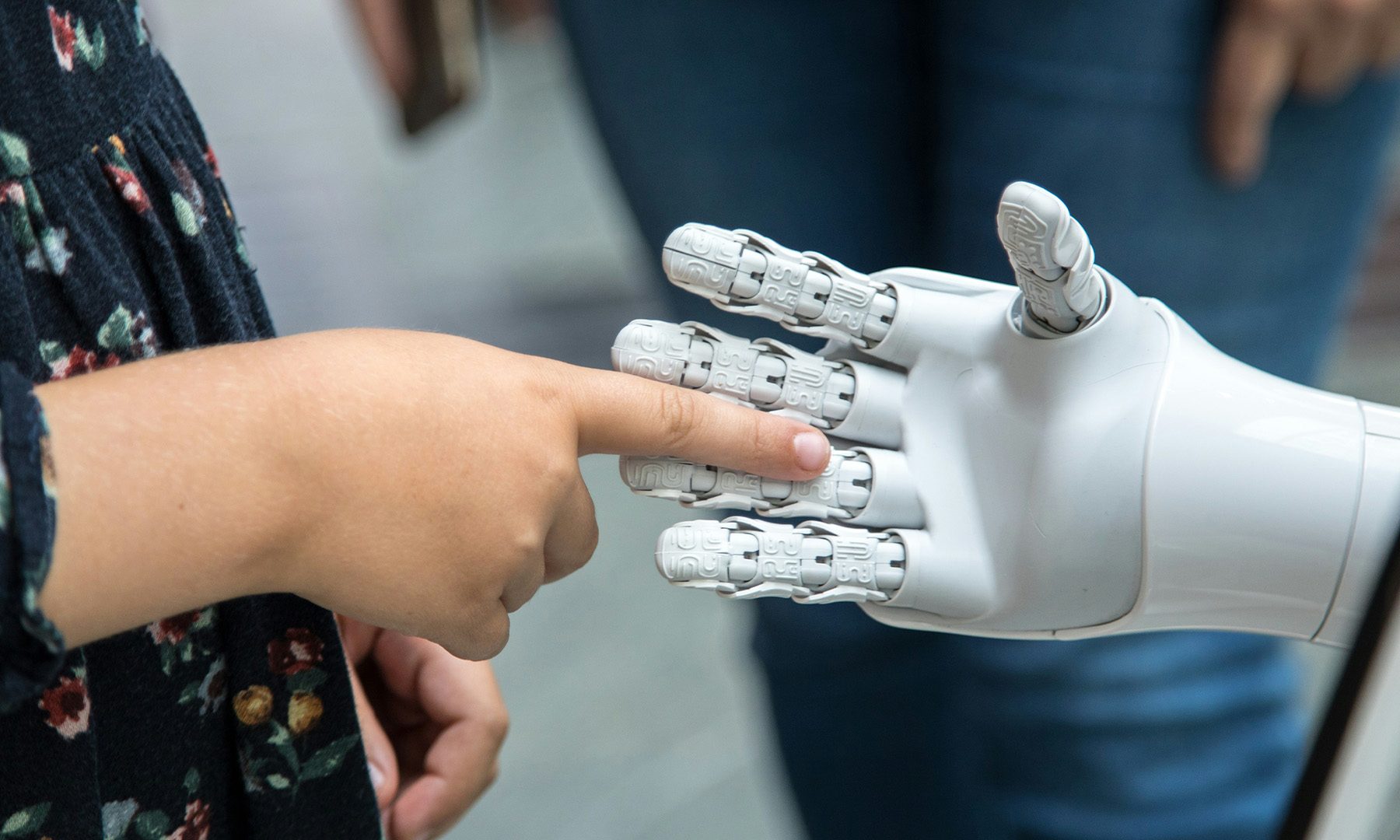
Samsung’s new robotics division has humanoids in its sights, although its immediate business is far more practical factory automation
Robot Touch Human Finger

Samsung wants a place in the humanoid race, but its new robotics push begins with machines built for factories rather than homes.

The CEO-led RX robotics division will initially focus on manufacturing robots. Samsung has separately identified humanoids as a priority, although it hasn’t announced a commercial model or explained where one fits into the division’s immediate plans.

Read more