  1. Home
  2. Emerging Tech
  3. News

The Very Large Telescope gets upgrade to aid its hunt for habitable exoplanets

Add as a preferred source on Google

ESO’s Very Large Telescope (VLT) has recently received an upgraded addition to its suite of advanced instruments. This stunning image of the VLT is painted with the colors of sunset and reflected in water on the platform. While inclement weather at Cerro Paranal is unfortunate for the astronomers using it, it lets us see ESO’s flagship telescope in a new light. ESO

The Very Large Telescope (VLT) is growing even bigger. The latest addition to the telescope’s suite of instruments is a tool called NEAR (Near Earths in the AlphaCen Region) which will hunt for exoplanets in the nearby Alpha Centauri star system.

Recommended Videos

The VLT is located in the desert in Chile and is run by the European Southern Observatory (ESO). Its existing instrument, the VLT spectrometer and imager for the mid-infrared (VISIR), has been searching for exoplanets through the use of four 8-meter-aperture telescopes. But with the addition of the NEAR tool, VISIR is more sensitive to wavelengths in the infrared region and can search for plants with heat signatures similar to Earth.

To find exoplanets, the VLT will look for planets within the habitable zone of stars in Alpha Centauri. The habitable zone is the area in which liquid water could exist on the surface of a planet, being close enough to a star to melt ice but not so close that water would turn into vapor.

Alpha Centauri has two stars similar to our Sun which could potentially host exoplanets, Alpha Centauri A and B, as well as a red dwarf called Proxima Centauri. Even though Alpha Centauri is relatively close to us we know little about the planets there because imaging planets is so much hard than imaging stars. Stars give off light which we can detect easily enough, but to find planets we have to look for light from stars which is reflected off them. This means looking for sources of light which are billions of time dimmer than stars. ESO compares the challenge to “spotting a moth circling a street lamp dozens of miles away.”

To address this challenge the ESO created NEAR, a thermal coronagraph. It creates an “artificial eclipse” by blocking out most of the light coming from nearby stars in order to capture the infrared light given off by orbiting planets. The instrument’s inaugural ten-day observing run concluded this week and scientists are now studying the data.

“NEAR is the first and (currently) only project that could directly image a habitable exoplanet,” Olivier Guyon, lead scientist for the exoplanet-hunting program said in a statement. “It marks an important milestone. Fingers crossed — we are hoping a large habitable planet is orbiting Alpha Cen A or B.”


Georgina Torbet
Georgina has been the space writer at Digital Trends space writer for six years, covering human space exploration, planetary…
Yet another study says AI is bad for elections, and the rabbit hole gets worse
AI may be an election bomb waiting for someone to light the fuse
Voters cast their ballots on Election Day

Another election, another study has concluded that asking an AI chatbot for political guidance is a spectacularly bad idea. Research conducted during Hungary’s 2026 parliamentary election found that ChatGPT and Google Gemini offered not just inaccurate but also inconsistent and unreliable voting advice. The chatbots misclassified voter profiles, overlooked relevant parties, recommended parties absent from the ballot, and sometimes produced materially different answers when given the same information repeatedly.

AI keeps failing the voter test

Read more
Samsung’s humanoid robot ambitions are real, but factories come first
Samsung’s new robotics division has humanoids in its sights, although its immediate business is far more practical factory automation
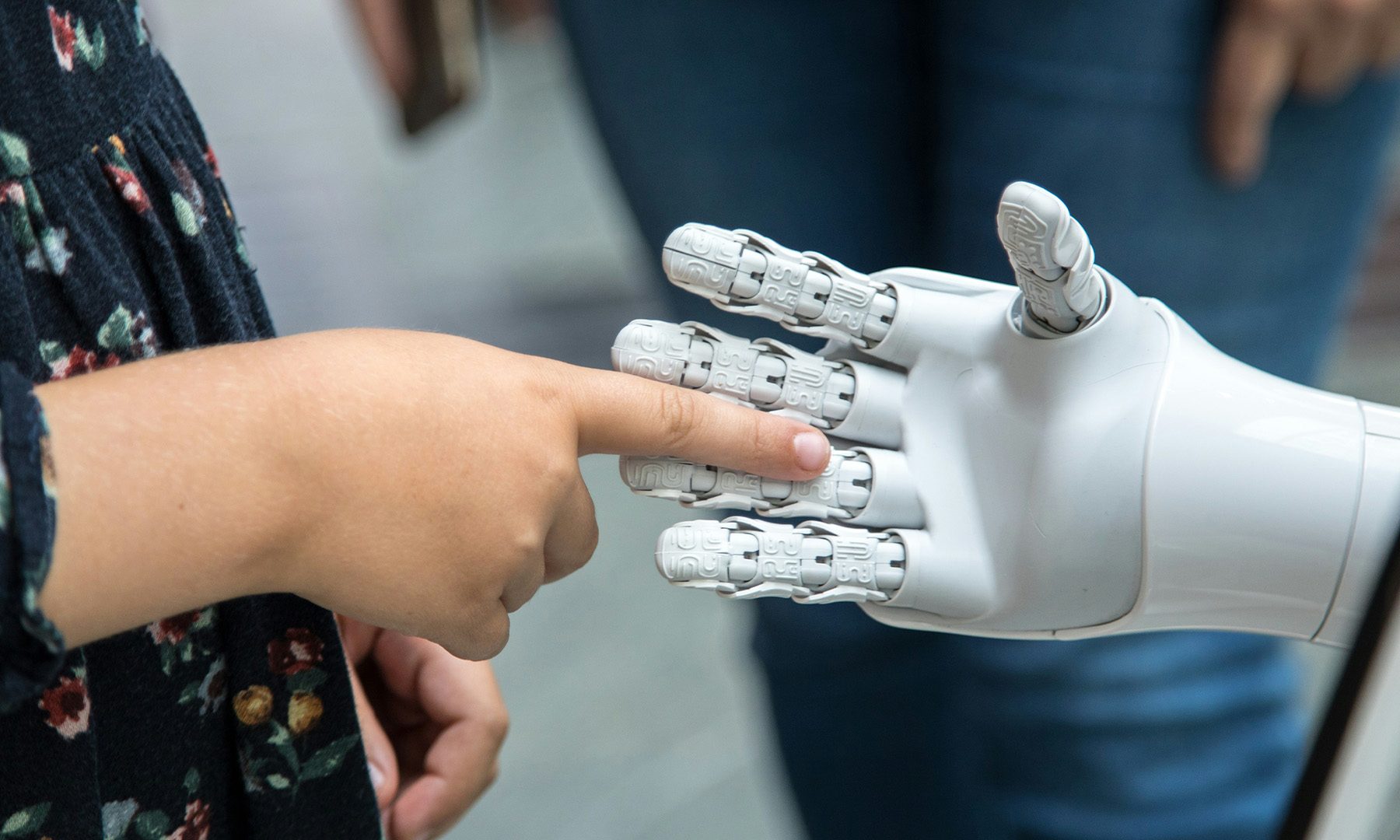
Robot Touch Human Finger

Samsung wants a place in the humanoid race, but its new robotics push begins with machines built for factories rather than homes.

The CEO-led RX robotics division will initially focus on manufacturing robots. Samsung has separately identified humanoids as a priority, although it hasn’t announced a commercial model or explained where one fits into the division’s immediate plans.

Read more
The future of AI may depend on this one behind-the-scenes change
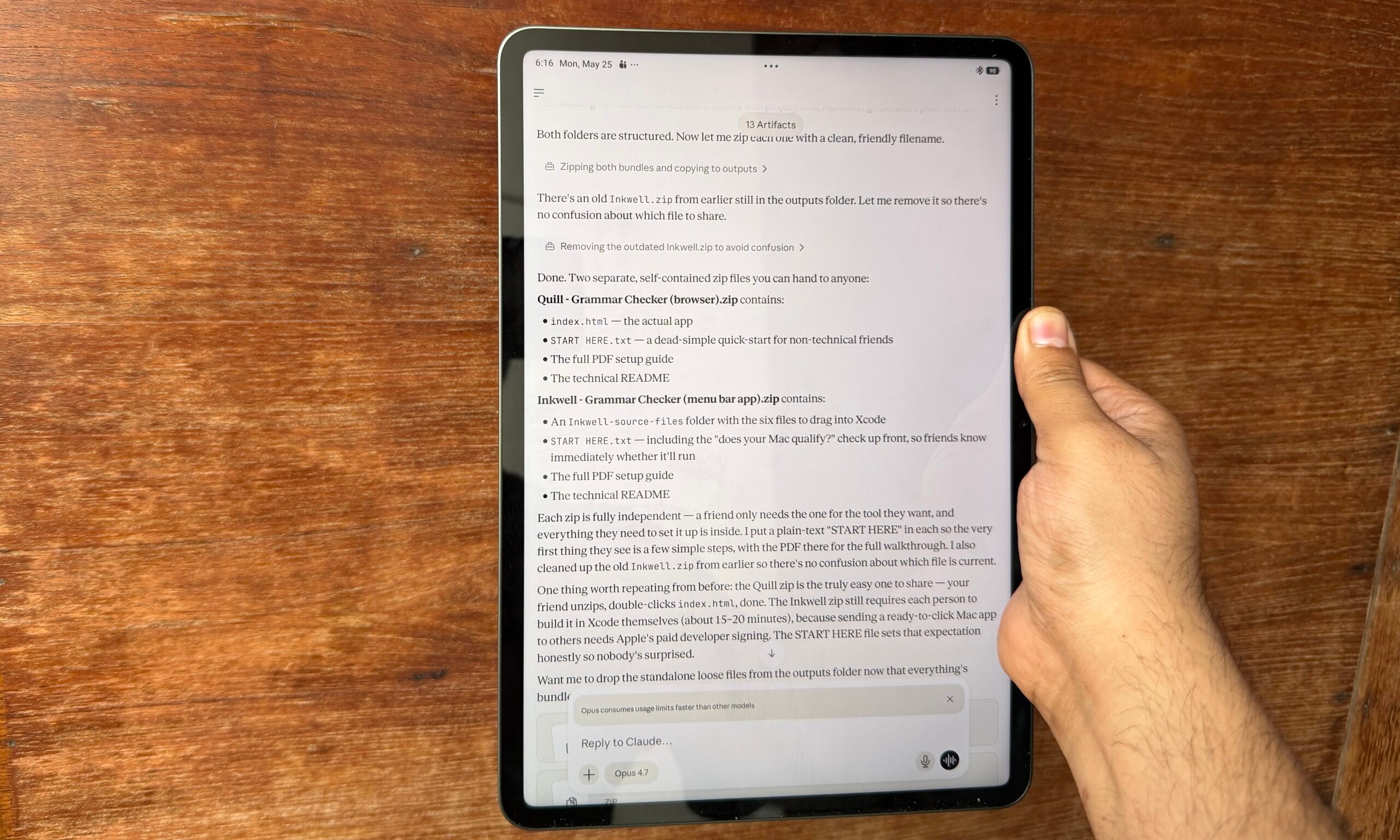
Running Claude on Android.

Whenever a new AI model arrives, it's easy to get caught up in the bells and whistles. We talk about how much smarter it is, how quickly it answers questions, or how realistic its images have become. But here's the thing: none of that matters much if the AI can't reliably work with the apps and services people use every day.

That's why an upcoming update to the Model Context Protocol (MCP) caught my attention. It isn't a new chatbot or a fancy AI model. In fact, most people will never even know it's happening. But it could quietly make the AI ecosystem a lot healthier. If you've never heard of MCP before, don't worry. Think of it as a shared language that lets AI assistants safely talk to apps like Gmail, Slack, calendars, databases, and countless other services. Instead of every company inventing its own way to make those connections, MCP gives everyone a common rulebook.

Read more