1. Home
  2. Emerging Tech
  3. News

NASA wants your help developing autonomous robots to explore other worlds

Add as a preferred source on Google
Space Robotics Challenge

NASA is asking for your help to create the autonomous robots which could one day explore the moon, Mars, and beyond. It has launched the second phase of its Space Robotics Challenge, searching for bright ideas from the public to develop robots to assist future astronauts on long-duration missions.

Recommended Videos

The challenge invites independent teams, research organizations, private companies, and tech enthusiasts to submit their ideas for autonomous robots which could operate on other planets or moons. The first phase of the competition was to develop software which improved the autonomous capabilities of NASA’s Valkyrie humanoid robot, which was won by the Coordinated Robotics team from California in 2017. The second phase of the competition, which has just opened, challenges participants to develop software for decision-making and navigation for a team of virtual robots. Top scoring teams in the challenge will be awarded prizes from a total $375,000 purse.

“We believe the public has ideas that can help us advance the state-of-the-art in autonomous robotic operations on planetary surfaces,” Jim Reuter, associate administrator for NASA’s Space Technology Mission Directorate, said in a statement. “The first phase of this competition demonstrated teams could create sophisticated autonomous software, and this second phase will push teams to pair those capabilities with tasks that will be critical to exploring the Moon and Mars.”
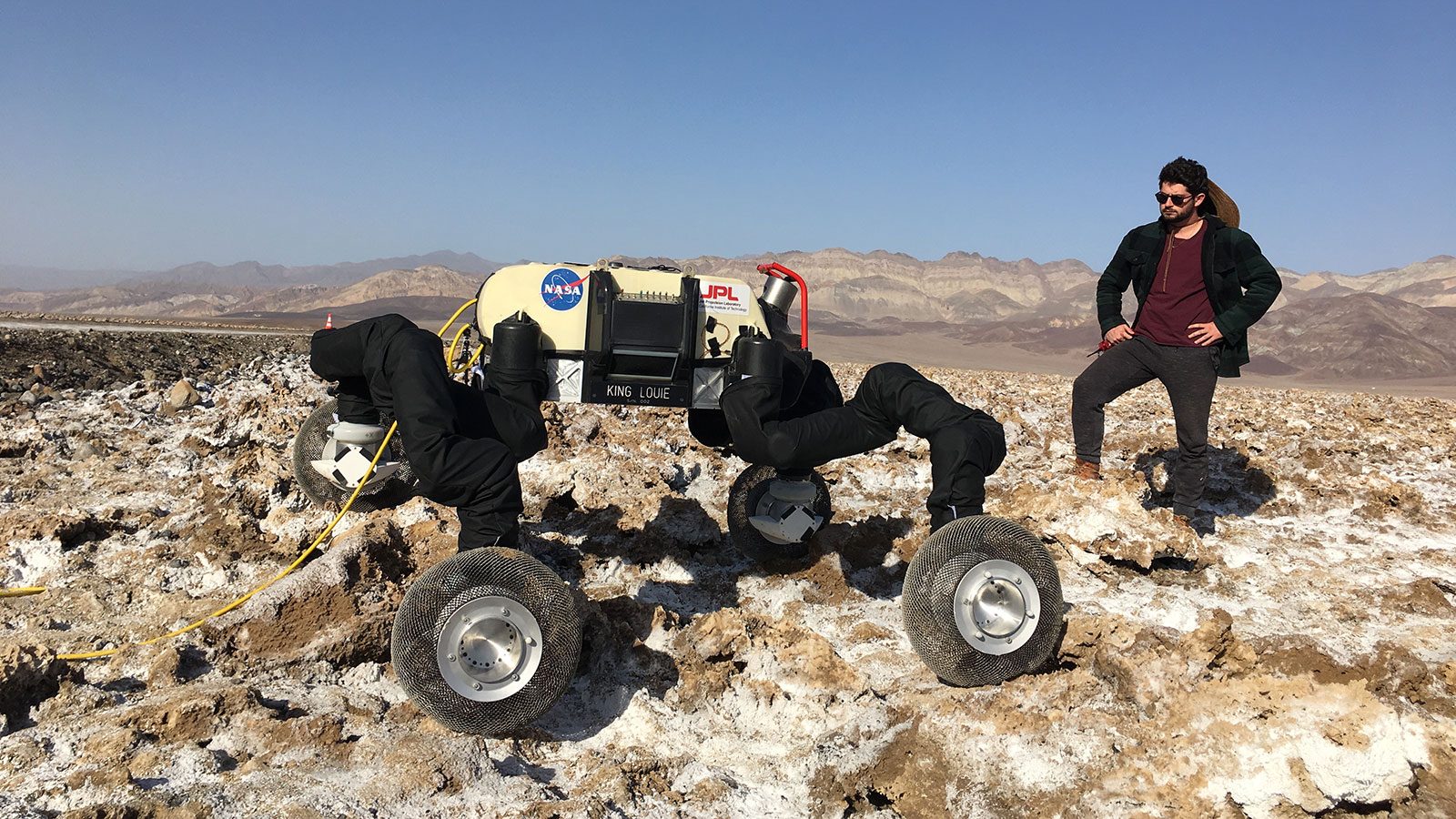
One of NASA’s existing robots, RoboSimian, which can walk on four legs, crawl, move like an inchworm and slide on its belly. Credit: NASA/JPL-Caltech

“Everyday explorers now have the opportunity to design useful solutions to support deep space exploration,” Daniel Newmyer, vice president of education, Space Center Houston, said in another statement. “This challenge will continue to advance robotic technology and research that is vital to future missions.”

The competition is part of NASA’s Centennial Challenges, which aim to get the public involved in the process of technological development for advanced space systems. Previous challenges in the project include a 3D-printed habitat challenge to create housing for Mars and other deep space exploration projects, and the Cube Quest challenge to design and build miniature satellites which can operate around the moon.

The Space Robotics Challenge Phase 2 is open now, and will run until December. To submit a proposal, head to the Space Center website. The qualification round will run from March 2020 until August 2020, with the competition round running from December 2020 to June 2021. Winners will be announced in September 2021.


Georgina Torbet
Georgina has been the space writer at Digital Trends space writer for six years, covering human space exploration, planetary…
Yet another study says AI is bad for elections, and the rabbit hole gets worse
AI may be an election bomb waiting for someone to light the fuse
Voters cast their ballots on Election Day

Another election, another study has concluded that asking an AI chatbot for political guidance is a spectacularly bad idea. Research conducted during Hungary’s 2026 parliamentary election found that ChatGPT and Google Gemini offered not just inaccurate but also inconsistent and unreliable voting advice. The chatbots misclassified voter profiles, overlooked relevant parties, recommended parties absent from the ballot, and sometimes produced materially different answers when given the same information repeatedly.

AI keeps failing the voter test

Read more
Samsung’s humanoid robot ambitions are real, but factories come first
Samsung’s new robotics division has humanoids in its sights, although its immediate business is far more practical factory automation
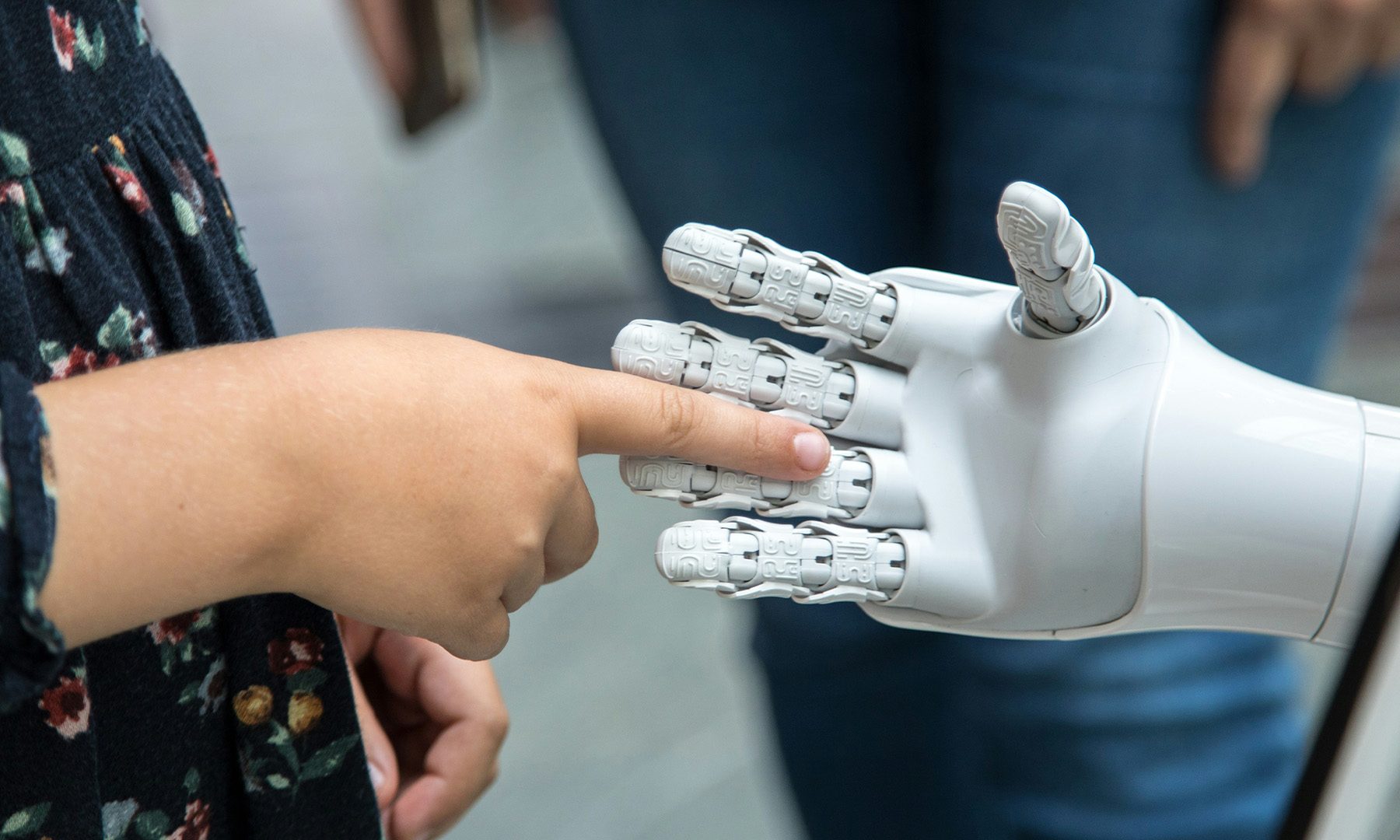
Robot Touch Human Finger

Samsung wants a place in the humanoid race, but its new robotics push begins with machines built for factories rather than homes.

The CEO-led RX robotics division will initially focus on manufacturing robots. Samsung has separately identified humanoids as a priority, although it hasn’t announced a commercial model or explained where one fits into the division’s immediate plans.

Read more
The future of AI may depend on this one behind-the-scenes change
Running Claude on Android.

Whenever a new AI model arrives, it's easy to get caught up in the bells and whistles. We talk about how much smarter it is, how quickly it answers questions, or how realistic its images have become. But here's the thing: none of that matters much if the AI can't reliably work with the apps and services people use every day.

That's why an upcoming update to the Model Context Protocol (MCP) caught my attention. It isn't a new chatbot or a fancy AI model. In fact, most people will never even know it's happening. But it could quietly make the AI ecosystem a lot healthier. If you've never heard of MCP before, don't worry. Think of it as a shared language that lets AI assistants safely talk to apps like Gmail, Slack, calendars, databases, and countless other services. Instead of every company inventing its own way to make those connections, MCP gives everyone a common rulebook.

Read more