  1. Home
  2. Emerging Tech
  3. News

International Space Station communications get an upgrade, doubling data rate

Add as a preferred source on Google

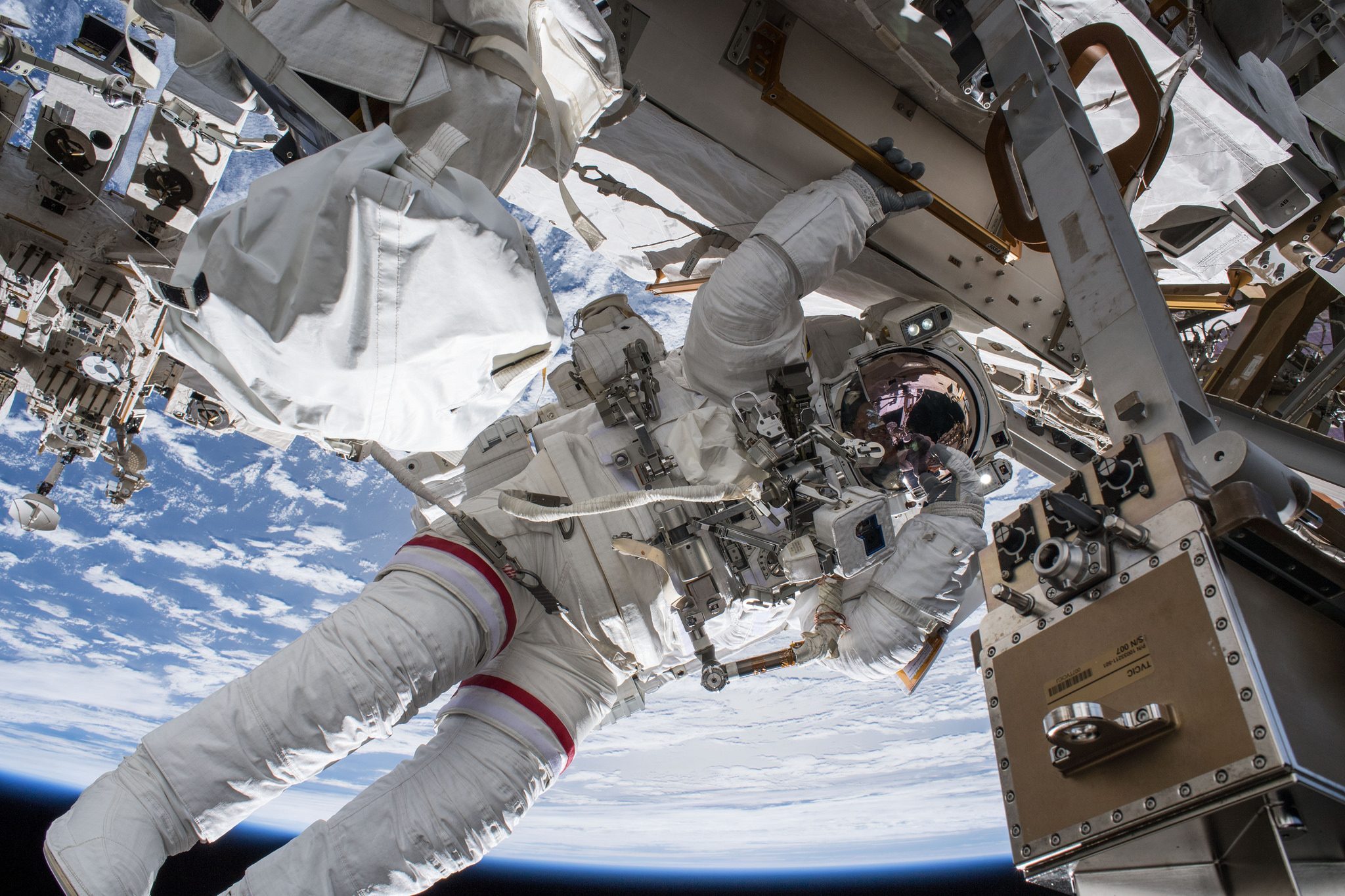
The unique environment of the station allows astronauts to perform important scientific research. These upgrades will increase the amount of data from these experiments that can be sent back to Earth. NASA

The International Space Station (ISS) is getting a data boost. Components of the Space Network have been upgraded to double the rate at which data can be sent from the ISS back to earth, allowing faster transfer of scientific information between the station and researchers on the ground.

Recommended Videos

Communication networks are vital for performing NASA missions, and the new 600 megabits per second (Mbps) connection will help with human spaceflight missions as well as scientific research and technological demonstrations. Some of the research performed onboard the ISS includes measuring the behavior of gels in microgravity, analyzing data from the astronauts such as their blood cell counts, and looking at how weightlessness affects human blood vessels and the heart.

The results from these and other experiments can now be sent back to NASA faster, and the higher speed connection opens up possibilities for more projects which require high-resolution images or videos, or highly detailed data.

“NASA’s communications networks play a pivotal role in every NASA mission, enabling data from human spaceflight, space and earth science research missions, and technological demonstrations to reach earth for the benefit of humanity,” George Morrow, the acting center director of NASA’s Goddard Space Flight Center, said in a statement. “This increase in data rate capability for the International Space Station underlines our commitment to provide high-quality operational services for NASA exploration missions today and in the future.”

The ISS sends data to earth via radio frequency signals using a system of data relay satellites in high orbit, which is detected by the ground-based antennas which form the Space Network. The data is then sent from the antennas via a landline to NASA centers across the country, where the radio signal is translated into usable data. The same process happens in reverse to send data from the ground to the ISS.

The upgrades performed included new architecture for the Space Network, better data processors at NASA centers, and enhanced hardware such as routers at the ground stations. Upgrading the global system required cooperation between different locations and companies. “Partnerships like this are crucial to our continued success as an agency,” Penny Roberts, the upgrade project lead for the space station, said in the same statement. “Our continued partnership will transition us to 600 Mbps, and who knows where else we will go together.”

Georgina Torbet
Georgina has been the space writer at Digital Trends space writer for six years, covering human space exploration, planetary…
You can now generate images with Gemini’s memory without paying a dime
Study guide created by Gemini

Google has made one of Gemini's most interesting AI tricks a lot easier to try. The company is rolling out its personalized image generation feature to eligible U.S. users for free, removing a paywall that previously kept it exclusive to Gemini's paid tiers.

Powered by Google's Nano Banana image model, the feature does more than generate pretty pictures; it taps into Gemini's understanding of you, making AI-generated images feel surprisingly personal.

Read more
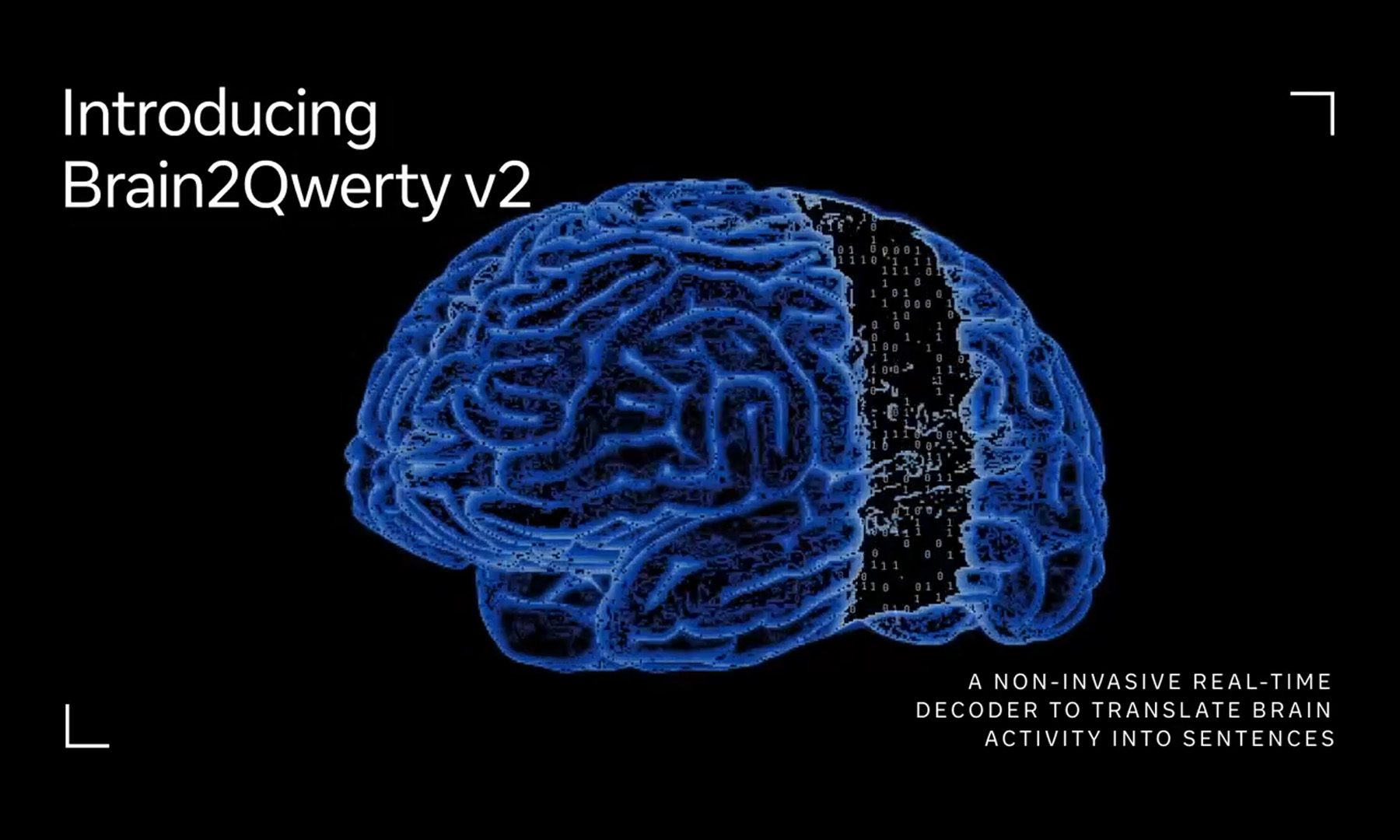
Meta’s Brain2Qwerty v2 turns thoughts into text, and it doesn’t need brain implants
The latest AI model decodes brain signals into coherent sentences using external scanners.
Meta Brain2Qwerty v2 Featured

Artificial intelligence is getting surprisingly good at understanding humans. Now, Meta wants it to understand our brains too. The company has unveiled Brain2Qwerty v2, an upgraded AI system that can translate brain activity into full sentences, all without requiring brain implants or surgery. The goal isn't mind reading for the masses. Instead, it's to help people who have lost the ability to speak communicate again.

How a Brain-powered keyboard works

Read more
AI chatbots can often feed into your delusions. Researchers say you should look for three signs
Experts warn that chatbot design choices can reinforce unhealthy beliefs in vulnerable users.
ChatGPT on a smartphone

Artificial intelligence chatbots have become incredibly good at sounding human. But a new review paper by psychiatrist Marc Augustin and fellow researchers Thomas A. Pollak and Helen Morrin, published in NPP—Digital Psychiatry and Neuroscience, argues that existing AI research points to an overlooked psychological risk. The paper, highlighted by The Wall Street Journal, reviews previous studies and proposes a framework explaining how three common chatbot behaviors can combine to reinforce delusional thinking in vulnerable users, creating what the authors call an "amplification spiral."

Researchers say these are the three warning signs

Read more