Intel and Samsung are partnering in an effort to ward off competition from an increasing number of tablets and ultra-portable laptops with powerful and power-efficient processors. On stage at the Samsung Developer Conference in San Jose, California, Intel welcomed Samsung’s Galaxy Book lineup to the Project Athena fold, an Intel initiative that focuses on sustained computing performance, connectivity, and long battery life in a thin and light form factor.
As a result of the partnership, Samsung’s newest Galaxy Book S swaps out the previous generation’s ARM-based Snapdragon 8cx processor from rival Qualcomm in favor of Intel’s Lakefield processor coupled with an Intel LTE modem for always-on connectivity.
“Our partnership with Samsung opens the door to bring PC and mobile innovation together in entirely new ways. Samsung’s first Project Athena-verified laptops and the new Galaxy Book S with our Lakefield processor are great examples of the work we are doing together, but they are only the first of many achievements yet to come,” said Gregory Bryant, Intel executive vice president and general manager of the Client Computing Group.
Samsung switching from Qualcomm’s emerging Always Connected PC platform with the Snapdragon processor comes at a time when Microsoft is about to make its recently announced Surface Pro X convertible available for purchase, which utilizes a custom ARM-based SQ1 chip. The Galaxy Book S is said to be co-engineered with Intel as part of the New Mobile Computing initiative driven by Samsung, suggesting a deepening relationship in research and development to get performance and battery life to meet Intel’s specifications for Project Athena.
In addition to power efficiency driven by Intel’s 10th-gen Lakefield processor for mobile products, the companies worked together on other software and hardware innovations, including support for better graphics and artificial intelligence capabilities and new connectivity options, including Wi-Fi, Thunderbolt, and 5G.
The companies stated that the Galaxy Book S “is expected to be the first device to arrive in market based on Lakefield and will come with LTE support.”
Galaxy Book Ion and Flex
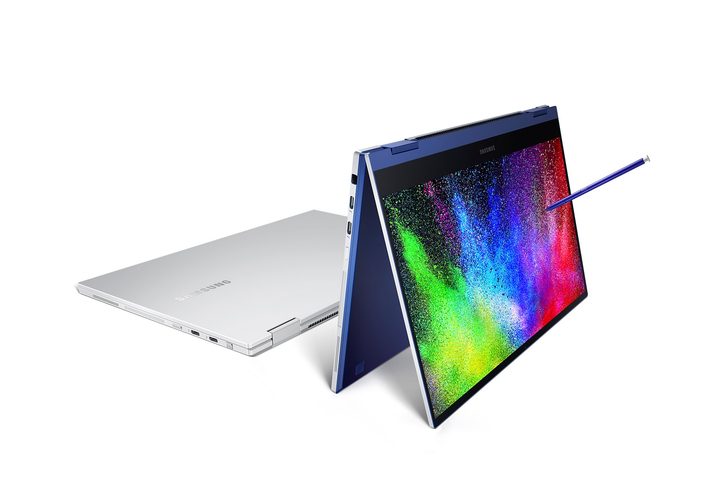
In addition to the Galaxy Book S, other Project Athena-certified laptops and convertibles from Samsung include the Galaxy Book Ion and Galaxy Book Flex. These latest additions mean that Intel now has 17 total Project Athena-certified devices from partners to date. Core features include instant-on performance, responsive performance on battery, and real-world battery endurance.
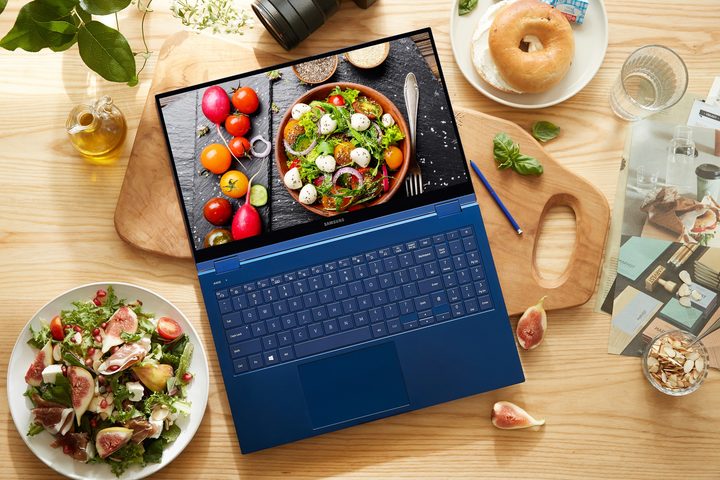
Both the Galaxy Book Ion and Galaxy Book Flex feature the world’s first QLED display, making their screens vivid, sharp, and vibrant. The screens will be available in 13.3- and 15.6-inch options. Samsung is positioning the Galaxy Book Flex as a convertible with a 360-degree hinge. The laptop uses Intel’s 10th-gen Ice Lake processors coupled with Intel Iris Plus graphics and comes with an S Pen that will make it useful to graphics artists and designers. Like Samsung’s Galaxy Note 10 series, this convertible supports gesture controls through the pen, and it has an aluminum design for durability.
The Galaxy Book is constructed from magnesium and comes with a more traditional form factor for demanding multithreaded workloads on a laptop form factor. Both devices will be available starting in December.