  1. Home
  2. Emerging Tech
  3. News

How did that planet get there? TESS investigates a planetary mystery

Add as a preferred source on Google

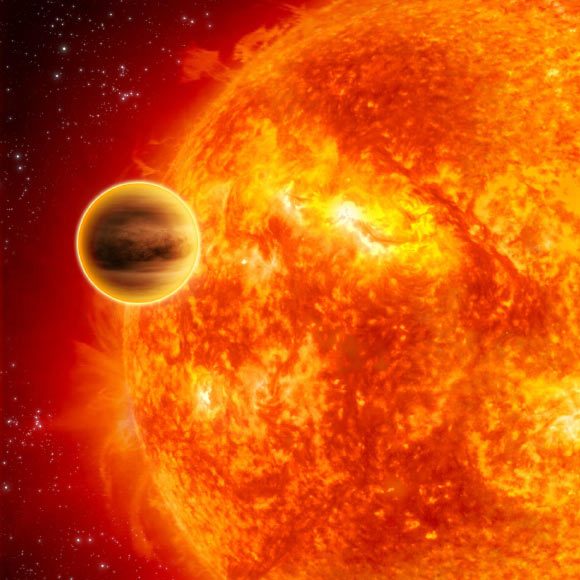
An artist’s impression of a hot-Jupiter exoplanet. C. Carreau / ESA

NASA’s planet-hunting satellite TESS, or Transiting Exoplanet Survey Satellite, has made another intriguing discovery. This time, it’s located a planet somewhere where it shouldn’t be, right in the middle of a zone in which any planet should have been annihilated by its star.

Recommended Videos

The star HD 203949 is located 257 light-years away and is a K2-type giant star, slightly cooler than our sun. Traveling around this star is a large planet, HD 203949b, which is 8.2 times the mass of Jupiter and in a 184-day circular orbit.

So far, so typical. But there’s something odd about HD 203949b because it should have been engulfed by its star long ago. The boundaries of a star, called its envelope, expand and contract over time. When the giant star HD 203949 was younger in its red giant phase, its envelope should have covered the planet and destroyed it — and yet the planet is still there.

The researchers investigated this mystery more closely using computer simulations. They came up with a theory that the planet must have started out further away from the star and been drawn closer toward it over time.

“We determined how this planet could have reached its current location, and to do so whether or not the planet had to survive engulfment within the stellar envelope of the red giant star,” co-author Dr. Dimitri Veras explained in a statement. “The work sheds new light on the survivability of planets when their parent stars begin to die, and might even reveal new aspects of tidal physics.”

This discovery of a planet shifting its orbit over time shows how complex the relationships within planetary systems can be. “This study is a perfect demonstration of how stellar and exoplanetary astrophysics are linked together,” co-author Dr. Vardan Adibekyan said in the same statement. “Stellar analysis seems to suggest that HD 203949 is too evolved to still host a planet at such a short orbital distance, while from the exoplanet analysis we know that the planet is there.”

“The solution to this scientific dilemma is hidden in the simple fact that stars and their planets not only form but also evolve together,” Dr. Adibekyan continued. “In this particular case, the planet managed to avoid engulfment.”

The findings are published in the Astrophysical Journal.

Georgina Torbet
Georgina has been the space writer at Digital Trends space writer for six years, covering human space exploration, planetary…
Yet another study says AI is bad for elections, and the rabbit hole gets worse
AI may be an election bomb waiting for someone to light the fuse
Voters cast their ballots on Election Day

Another election, another study has concluded that asking an AI chatbot for political guidance is a spectacularly bad idea. Research conducted during Hungary’s 2026 parliamentary election found that ChatGPT and Google Gemini offered not just inaccurate but also inconsistent and unreliable voting advice. The chatbots misclassified voter profiles, overlooked relevant parties, recommended parties absent from the ballot, and sometimes produced materially different answers when given the same information repeatedly.

AI keeps failing the voter test

Read more
Samsung’s humanoid robot ambitions are real, but factories come first
Samsung’s new robotics division has humanoids in its sights, although its immediate business is far more practical factory automation
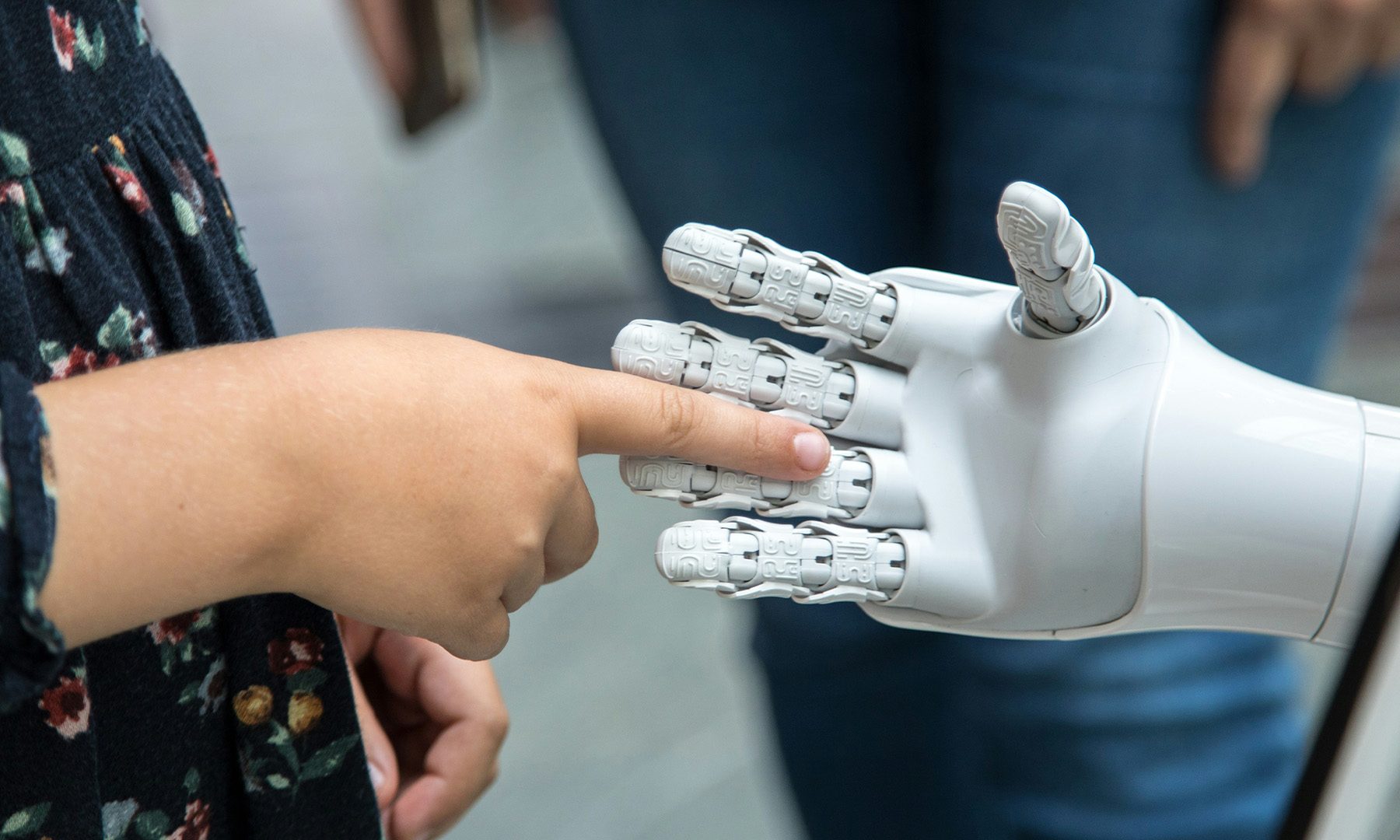
Robot Touch Human Finger

Samsung wants a place in the humanoid race, but its new robotics push begins with machines built for factories rather than homes.

The CEO-led RX robotics division will initially focus on manufacturing robots. Samsung has separately identified humanoids as a priority, although it hasn’t announced a commercial model or explained where one fits into the division’s immediate plans.

Read more
The future of AI may depend on this one behind-the-scenes change
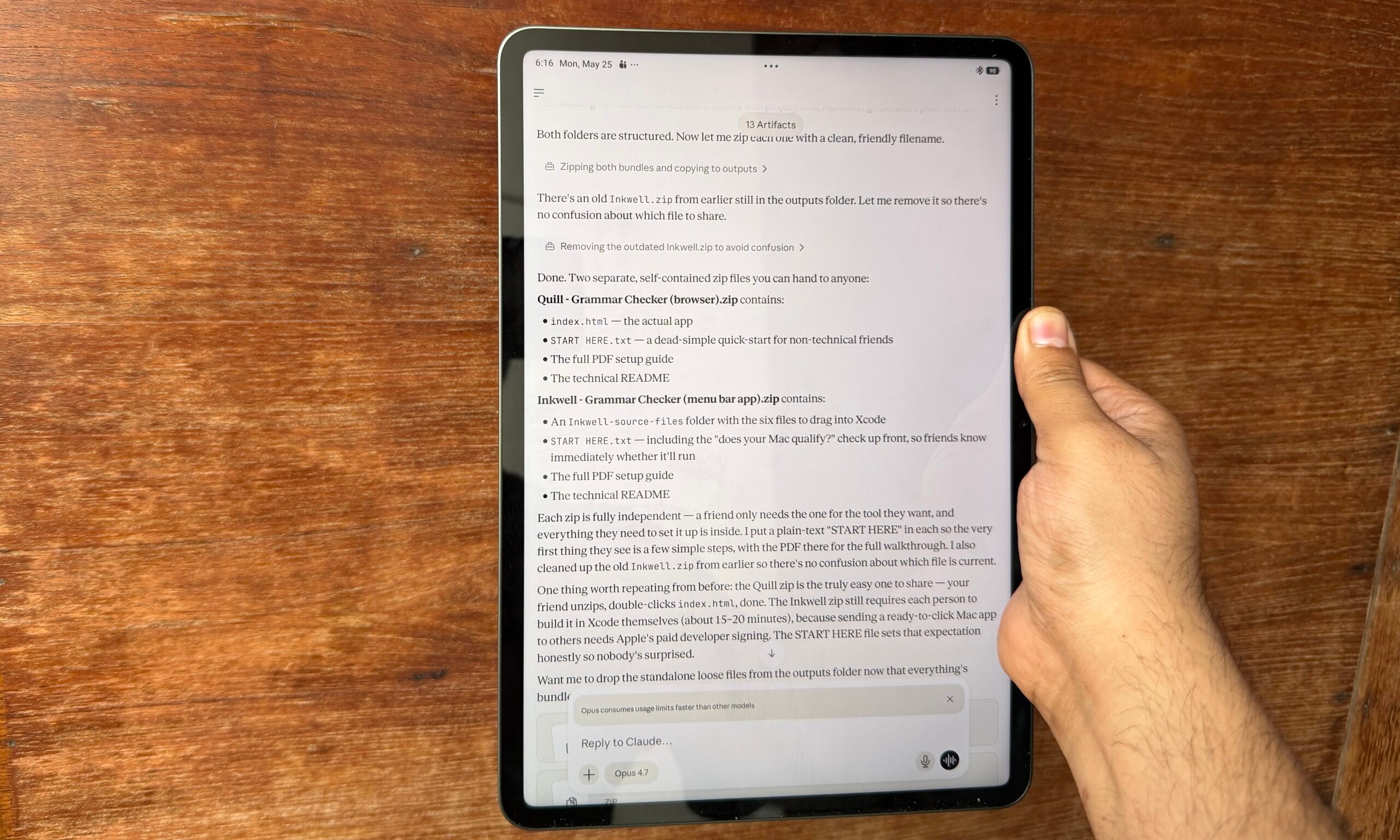
Running Claude on Android.

Whenever a new AI model arrives, it's easy to get caught up in the bells and whistles. We talk about how much smarter it is, how quickly it answers questions, or how realistic its images have become. But here's the thing: none of that matters much if the AI can't reliably work with the apps and services people use every day.

That's why an upcoming update to the Model Context Protocol (MCP) caught my attention. It isn't a new chatbot or a fancy AI model. In fact, most people will never even know it's happening. But it could quietly make the AI ecosystem a lot healthier. If you've never heard of MCP before, don't worry. Think of it as a shared language that lets AI assistants safely talk to apps like Gmail, Slack, calendars, databases, and countless other services. Instead of every company inventing its own way to make those connections, MCP gives everyone a common rulebook.

Read more