1. Home
  2. Emerging Tech
  3. News

Cockpit calamity: Pilot error sparks hijack security alert on passenger plane

Add as a preferred source on Google

Cockpits in large airplanes feature a dizzying array of buttons, levers, dials, and displays that would leave the head of most folks spinning if they were asked to identify each and every one of them (or indeed, just one of them).

But as an incident at a Dutch airport showed this week, even the most skilled pilots can get it wrong occasionally.

Recommended Videos

According to media reports, part of Amsterdam’s Schiphol Airport was put on lockdown Wednesday evening over a suspected hijacking after an Air Europa pilot raised the alarm from the aircraft shortly before take-off.

As the Madrid-bound plane was evacuated, military police at the airport tweeted that it was responding to what it called a “suspicious situation.” During the emergency, a number of other planes were stopped from taking off, while photos posted on social media showed passengers in the terminal building waiting for updates regarding their delayed flights.

But an hour later, it emerged that the alert had somehow been made in error.

“False alarm,” Air Europa tweeted, explaining that a warning “that triggers protocols on hijackings at airports” had been activated by mistake. The message continued: “Nothing has happened, all passengers are safe and sound waiting to fly soon. We deeply apologize.”

Airport officials had originally described the incident as a “GRIP-3” situation, an event with potentially major consequences for those in the vicinity. But thankfully, in this case, it turned out to be no such thing, and everyone on the plane and at the airport was safe.

It’s not clear precisely how the hijack alert came to be triggered, but the BBC noted that Federal Aviation Administration documents show that “pilots can use a special transponder beacon code, typing 7500, to raise an alert for unlawful interference in the case of a hijacking.” Whether this happened at Schiphol isn’t immediately clear.

The idea that the chaos may have been caused by nothing more than a typo reminds us of another incident a few years back when a catalog of errors, which included a pilot inputting a typo in the plane’s systems prior to take-off, led the aircraft’s software to understand that it was in a different country, causing all kinds of problems for the pilots after the plane took off.


Trevor Mogg
Contributing Editor
Not so many moons ago, Trevor moved from one tea-loving island nation that drives on the left (Britain) to another (Japan)…
Study finds humans will talk to AI ghosts of the dead as reincarnations, and it’s pretty grim
The first AI ghost study is in. The results are about as complicated as you'd expect.
VR Headset, Person, Face

A new study from the University of Colorado Boulder confirms something that sounds both impressive and concerning. People find interacting with AI simulations of their dead loved ones deeply meaningful, and most will come away wanting to do it again.

The researchers call it a "generative ghost," which is a clear reference to generative AI, but I’d still prefer to call it unsettling.

Read more
China’s UBTech unveils eerily lifelike companion robots, and yes, they want to move in with you
UBTech's new humanoid robots are built for companionship, using emotion-aware AI, long-term memory, and humanlike expressions to become part of your everyday life.
UBTech Uworld U1 series robot launch

A humanoid robot designed to live in your house, learn your habits, and pick up on your mood without being prompted is no longer science fiction. Shenzhen-based UBTech Robotics unveiled its Uworld U1 series this week, introducing three robots built for companionship rather than factory work or household chores.

A body that moves like yours, and a brain that reads how you feel

Read more
This $249 LED sign wants to fix your work-life balance
My productivity isn't worth $249... or is it?
Flipper Busy Bar

Flipper Devices has built a reputation among hackers and hardware enthusiasts with the Flipper Zero, a pocket-sized gadget capable of interacting with RFID, NFC, Bluetooth, and other wireless protocols. Now, the London-based company is taking a very different approach.

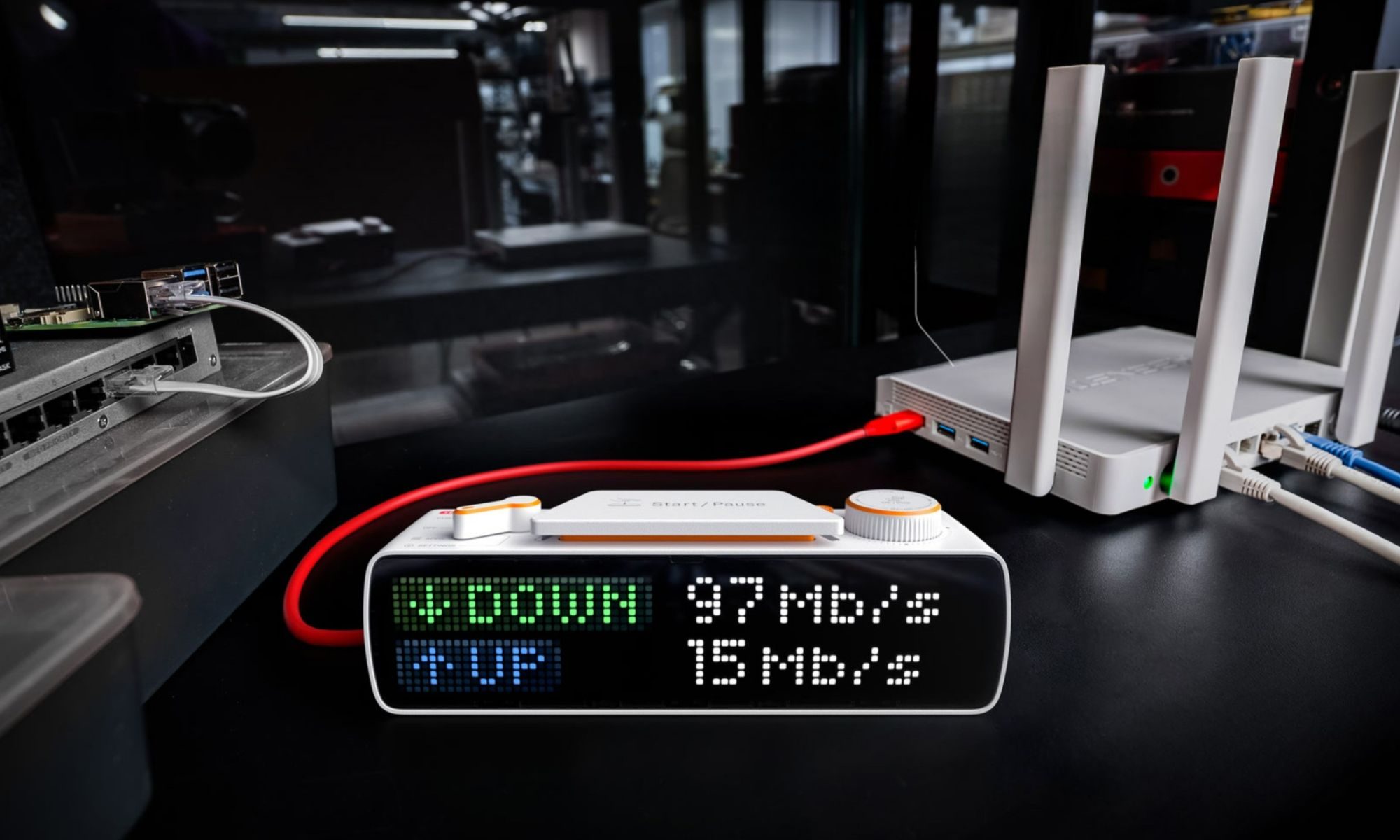
Its latest product, the Busy Bar, is a desktop productivity display designed to help users stay focused, signal their availability, and automate parts of their workflow. After being teased last year, the device is finally going on sale on July 14. While the concept is genuinely clever, its starting price of up to $249 may make many buyers think twice.

Read more