1. Home
  2. Emerging Tech
  3. Virtual Reality
  4. News

Magic Leap in trouble? Report says only 6,000 AR headsets sold in first 6 months

Add as a preferred source on Google

Magic Leap, the much-hyped augmented reality startup that has raised about $2.6 billion in funding, is reportedly in trouble after sales of its first AR headset fell way short of the company’s target.

According to The Information, only about 6,000 units of the $2,295 Magic Leap One Creator Edition were sold in the first six months after its April 1 launch. The modest sales figures for the mixed-reality headset indicate it will badly miss the startup’s target of 100,000 headsets sold in the first year.

Recommended Videos

Making matters even worse for Magic Leap is that the startup’s founder and CEO, Rony Abovitz, initially set a goal of at least 1 million units sold within the headset’s first year, according to The Information, citing four people who heard the target from Abovitz himself. Magic Leap executives eventually convinced Abovitz to go lower with a sales target of 100,000 units, according to three sources familiar with the matter.

The Information reported that with the poor sales, Magic Leap started giving its employees free units of the AR headset. The lackluster performance of its flagship product is also said to have resulted in dozens of layoffs across several departments, alongside other cost-saving initiatives such as limiting work-related travel and slowing down hiring of new employees.

A Magic Leap spokesperson, however, disputed The Information’s report, claiming that it was “littered with inaccuracies and misleading statements, and erroneously portrays Magic Leap’s operations, internal plans and overall strategy.”

The Information received the sales figure of 6,000 units from a single source, and it remains unverified as the startup has not revealed such data to the public, nor its employees. However, the startup’s spokesperson failed to point out which parts of the report were inaccurate, so Magic Leap’s current state remains unclear.

Magic Leap is already said to be working on the Magic Leap 2, which will feature several upgrades such as 5G compatibility, improved graphics, a wider field of view, and a smaller and lighter headset. However, it is reportedly years away from being rolled out, in which case it will have to compete in a more crowded space as Apple is expected to launch an AR headset in 2022 and AR glasses in 2023.

Aaron Mamiit
Aaron received an NES and a copy of Super Mario Bros. for Christmas when he was four years old, and he has been fascinated…
Yet another study says AI is bad for elections, and the rabbit hole gets worse
AI may be an election bomb waiting for someone to light the fuse
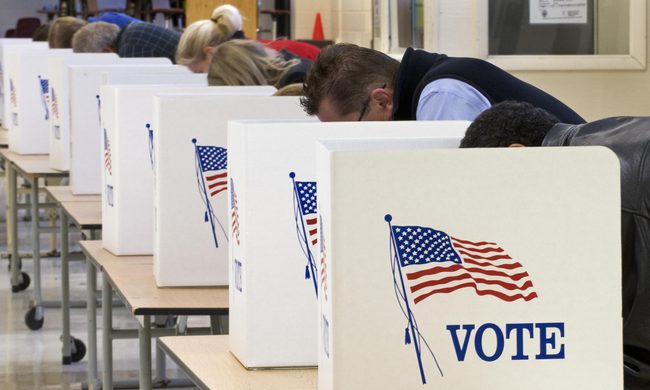
Voters cast their ballots on Election Day

Another election, another study has concluded that asking an AI chatbot for political guidance is a spectacularly bad idea. Research conducted during Hungary’s 2026 parliamentary election found that ChatGPT and Google Gemini offered not just inaccurate but also inconsistent and unreliable voting advice. The chatbots misclassified voter profiles, overlooked relevant parties, recommended parties absent from the ballot, and sometimes produced materially different answers when given the same information repeatedly.

AI keeps failing the voter test

Read more
Samsung’s humanoid robot ambitions are real, but factories come first
Samsung’s new robotics division has humanoids in its sights, although its immediate business is far more practical factory automation
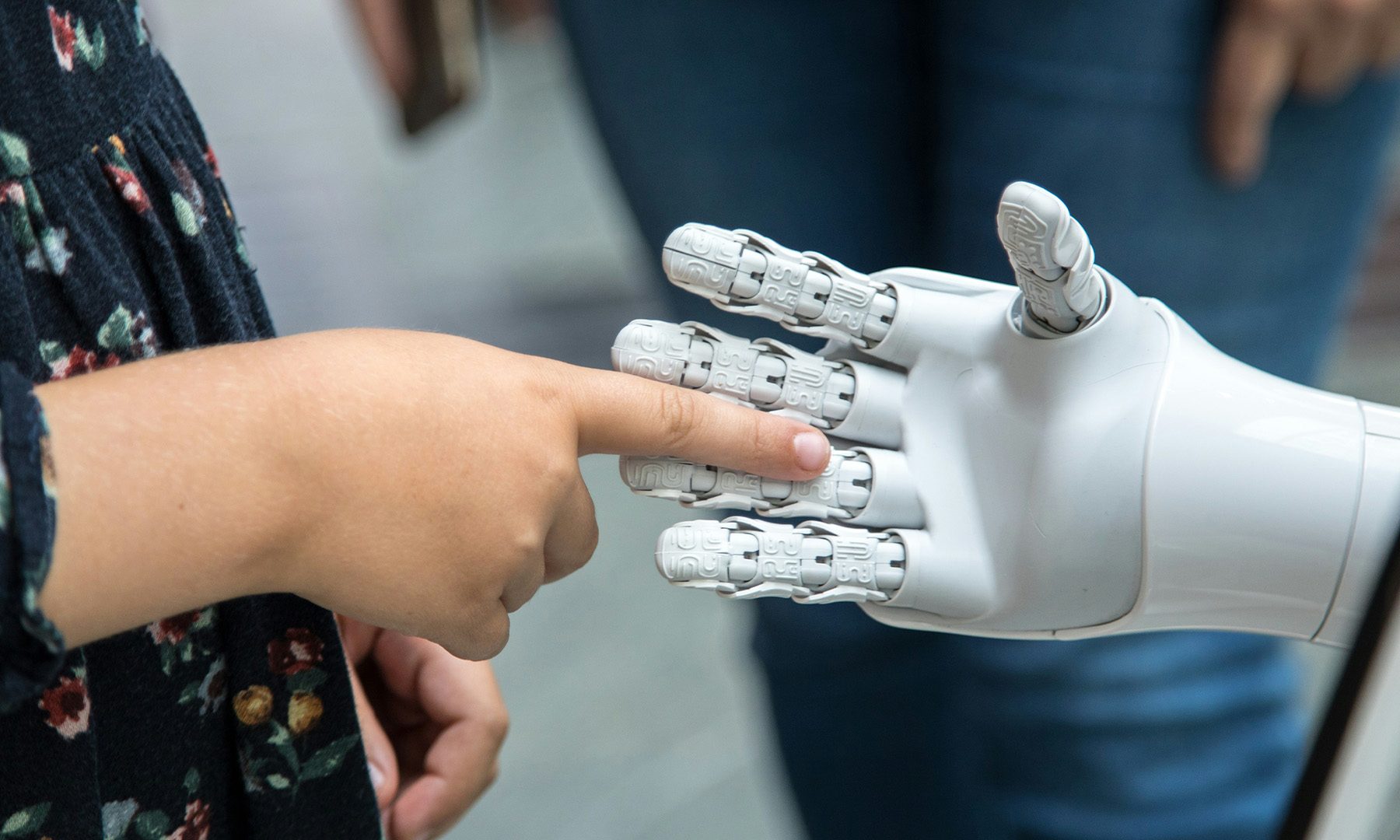
Robot Touch Human Finger

Samsung wants a place in the humanoid race, but its new robotics push begins with machines built for factories rather than homes.

The CEO-led RX robotics division will initially focus on manufacturing robots. Samsung has separately identified humanoids as a priority, although it hasn’t announced a commercial model or explained where one fits into the division’s immediate plans.

Read more
The future of AI may depend on this one behind-the-scenes change
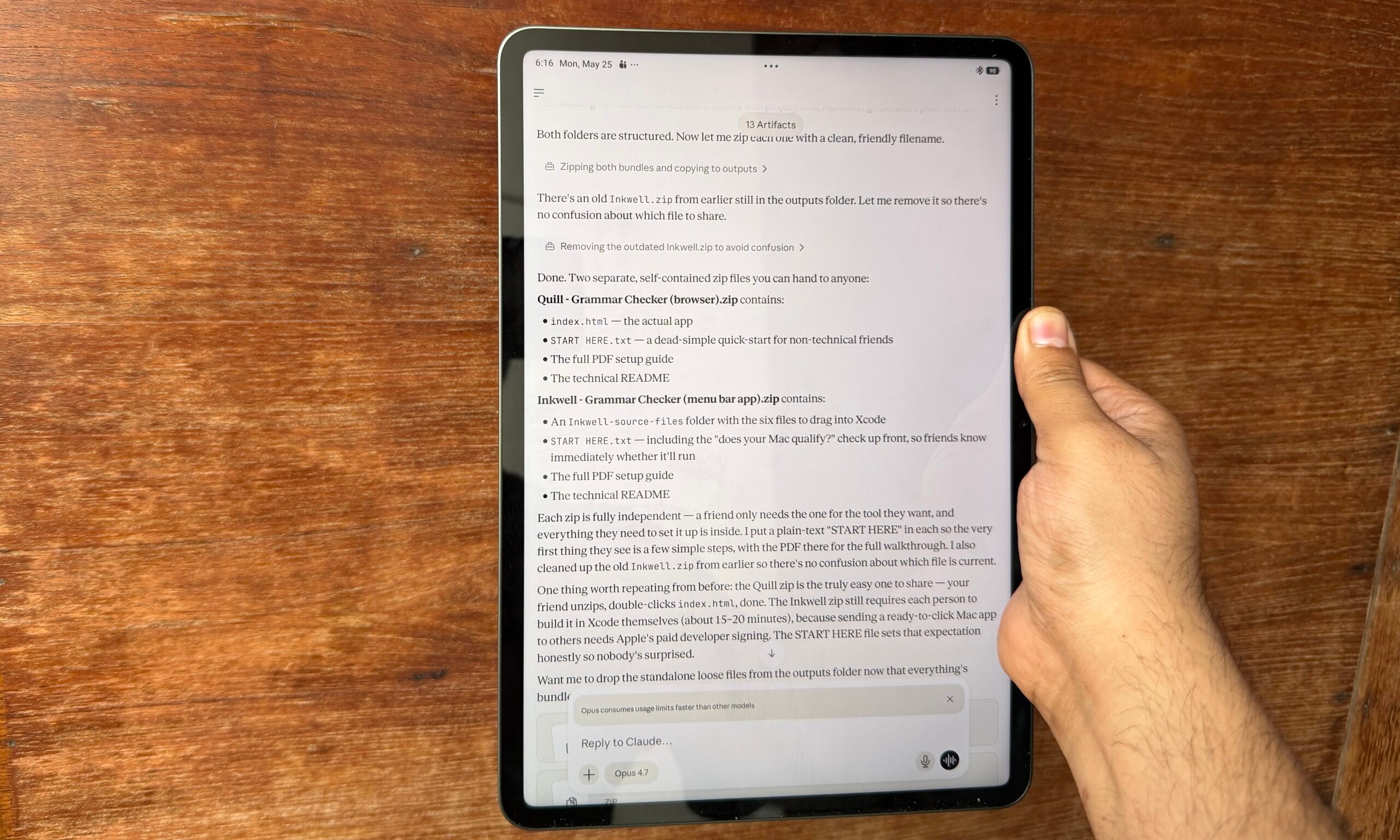
Running Claude on Android.

Whenever a new AI model arrives, it's easy to get caught up in the bells and whistles. We talk about how much smarter it is, how quickly it answers questions, or how realistic its images have become. But here's the thing: none of that matters much if the AI can't reliably work with the apps and services people use every day.

That's why an upcoming update to the Model Context Protocol (MCP) caught my attention. It isn't a new chatbot or a fancy AI model. In fact, most people will never even know it's happening. But it could quietly make the AI ecosystem a lot healthier. If you've never heard of MCP before, don't worry. Think of it as a shared language that lets AI assistants safely talk to apps like Gmail, Slack, calendars, databases, and countless other services. Instead of every company inventing its own way to make those connections, MCP gives everyone a common rulebook.

Read more