1. Home
  2. Cars
  3. News

Volkswagen’s friendly looking robot would autonomously charge electric cars

Add as a preferred source on Google
Volkswagens Mobiler Laderoboter | Volkswagen’s Mobile Charging Robot

Volkswagen has created an autonomous charging station on wheels that could make electric car-only parking spots a thing of the past. Deploying smiling, friendly-looking robots in parking structures promises to turn every spot into a charging point.

Recommended Videos

V2X technology makes bringing the charging infrastructure directly to the car possible. Once they’ve parked, motorists summon the charging robot via a smartphone application, or through the car’s touchscreen. The robot wakes up knowing precisely where the car in need of a charge is located, and how much electricity is required to fill its battery pack. It then tows a mobile charger called a battery wagon to the parking spot, wirelessly asks the car to open its charging flap, plugs it in, and goes back to its dock. It tows the battery wagon back to its home base at the end of the charging process.

This whole sequence happens without human intervention. The robot is equipped with an armada of cameras, laser scanners, and ultrasonic sensors that allow it to find the car autonomously and, significantly, drive around a parking garage without hitting other vehicles, whether they’re parked or moving. The battery wagons (which are shaped like little trailers) have a capacity of 25 kilowatt-hours, and they’re capable of DC fast-charging at up to 50 kilowatts.

Teaching robots to charge electric cars on their own solves several problems. Motorists will no longer need to drive around a parking structure looking for a charger, and they won’t be forced to limp home on a nearly empty battery if the few available plugs are already being used. It’s a solution that makes financial sense, too, because Volkswagen predicts housing robots and battery wagons in a corner of a parking garage will be cheaper than building charging stations in an existing structure.

Volkswagen stressed that this innovative technology remains at the embryonic stage of development. “It’s a visionary prototype which can be made into reality quite quickly if the general conditions are right,” explained Mark Möller, the head of development for Volkswagen Group Components, in a statement. The company added it’s too early to tell precisely when the charging robots and the battery wagons will be tested in real-world conditions. The German firm will launch a sizable electric car offensive in 2020, when it begins delivering the ID.3 hatchback to European buyers and unveils the America-bound ID.4 crossover, so battery wagons towed by happy robots could be right around the corner.

Ronan Glon
Ronan Glon is an American automotive and tech journalist based in southern France. As a long-time contributor to Digital…
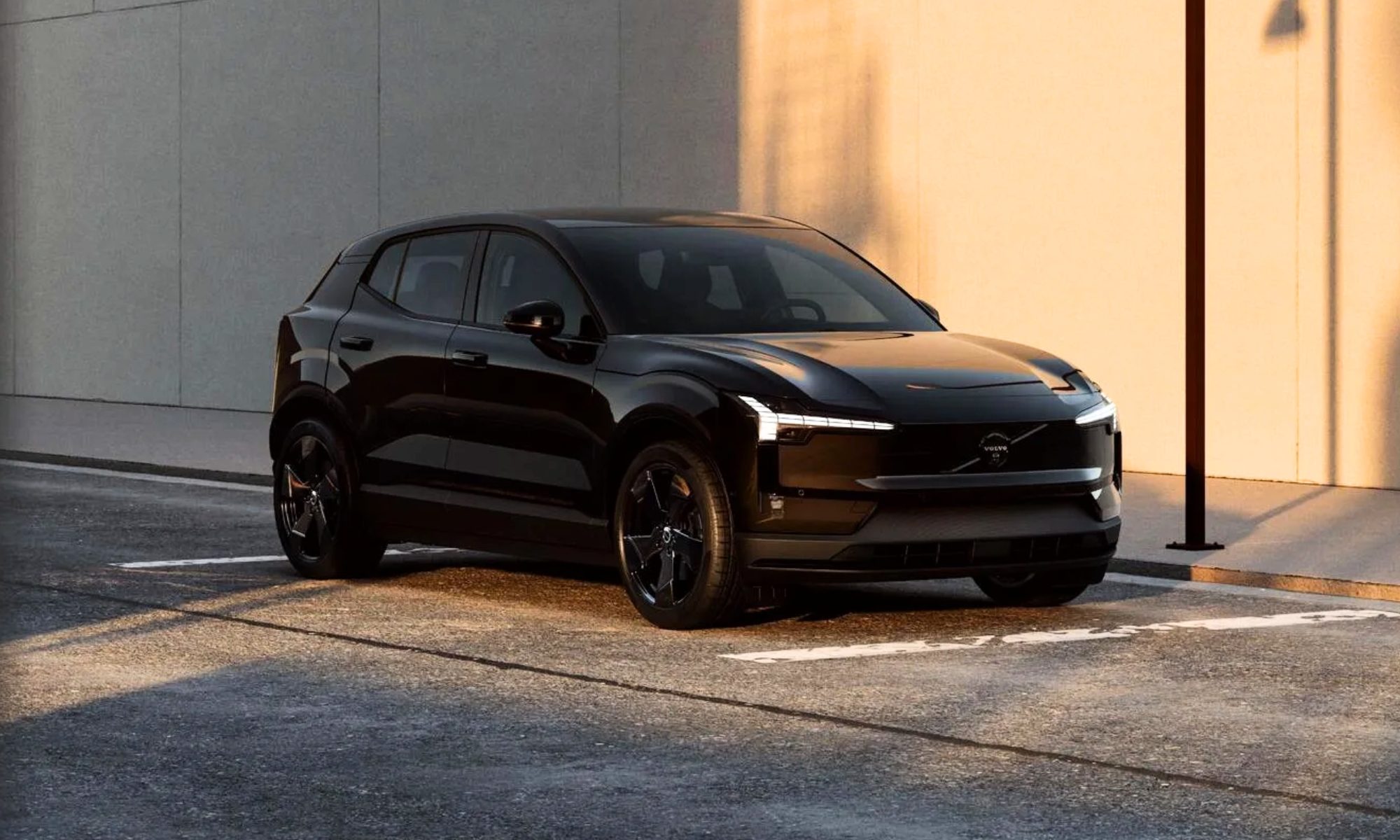
Volvo’s purported EX50 could be the budget-friendly plot twist nobody saw coming
Volvo's next electric SUV could shake up the EX lineup with more room and a smaller price tag.
Volvo EX30 front profile.

Volvo’s electric lineup needed a genuinely affordable entry point, and a new report suggests that buyers might actually get one. 

According to a new Automotive News report, Volvo is quietly working on a compact electric crossover, called the EX50. It will be aimed at replacing the dated EX40 in the US sometime in 2027. 

Read more
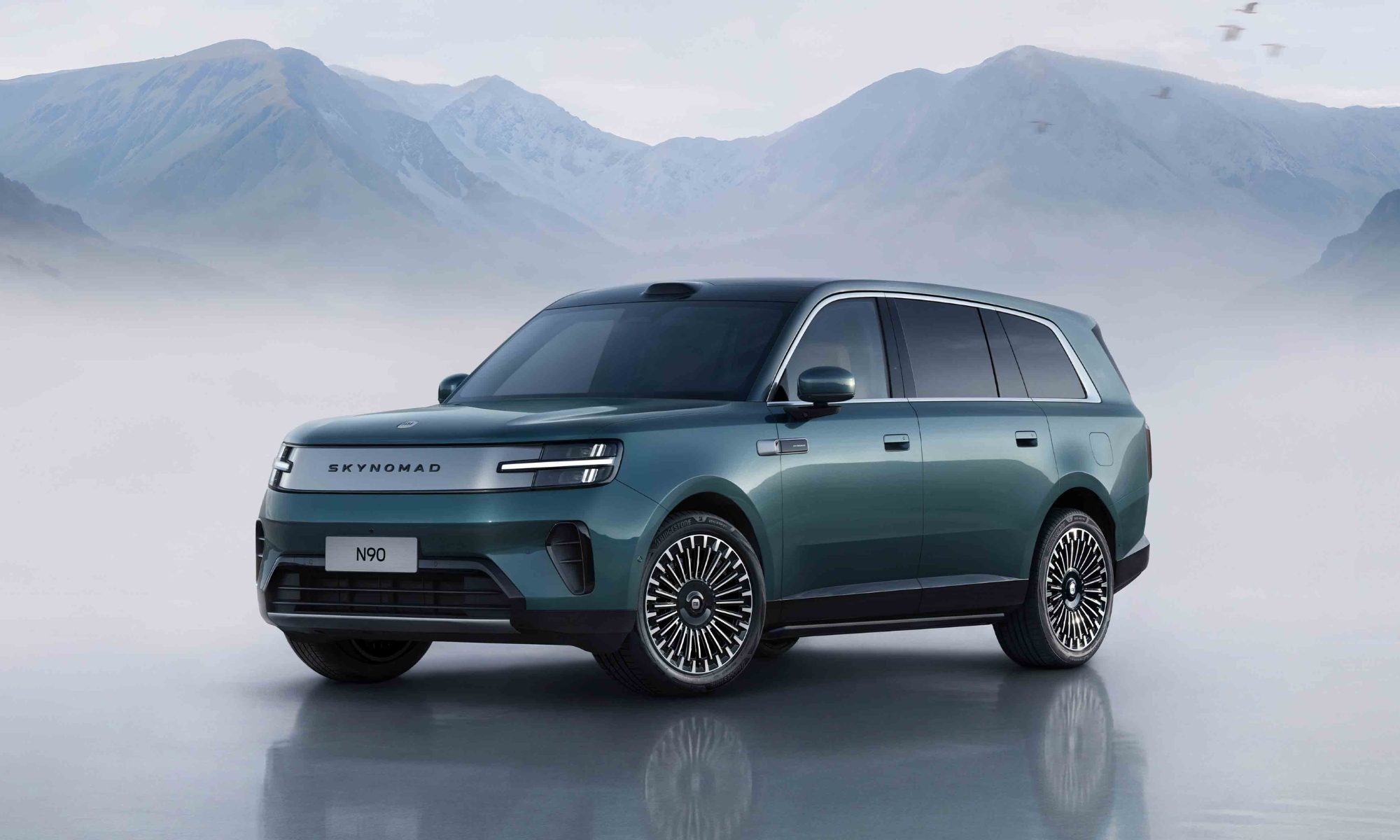
Xiaomi just launched an SUV with seven seats and a bedroom upstairs
Xiaomi’s SkyNomad SUV could replace your car, office, lounge, and tent
Skynomad

Xiaomi’s new family SUV is basically a house on wheels with enough claimed range to cover more than 1,000 miles. It also costs considerably less than its outlandish feature list might suggest. The company has officially launched the SkyNomad N90 Max in China for 299,900 yuan, equivalent to roughly $44,400 through direct conversion.

Preorders are open now, with the first vehicles expected to reach customers in September. The converted figure provides useful context, though it does not represent pricing outside China. Xiaomi describes the seven-seat flagship as a “house you can move.” This unusually grand pitch starts making sense once you see what happens inside.

Read more
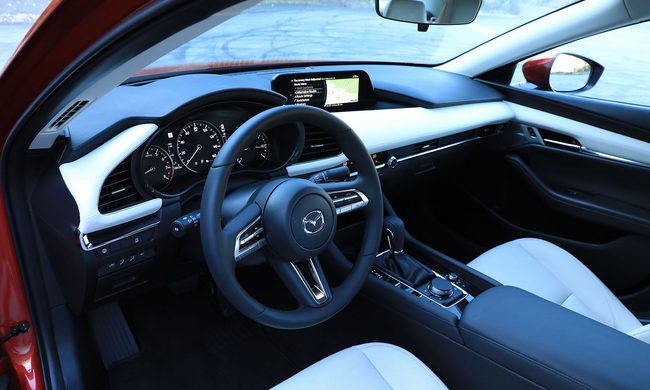
Mazda chief says the MX-5 Miata could go electric
2019 Mazda Mazda3 AWD review

For years, the idea of an electric Mazda MX-5 Miata felt almost impossible. The little roadster has always been celebrated for one thing above everything else: keeping things light. Add a heavy battery pack into the equation, and many enthusiasts assumed the Miata's trademark driving character would disappear along with it.

Mazda, however, appears to have changed its mind. In an interview with German publication auto motor und sport, Mazda CEO Masahiro Moro confirmed that the next-generation MX-5 is being developed with the possibility of an all-electric version in mind. It doesn't mean the iconic roadster is abandoning gasoline anytime soon. Still, it does suggest Mazda wants the Miata to survive in a future where internal combustion engines may no longer be an option.

Read more