1. Home
  2. Social Media
  3. News

Twitter may let you select who can reply to your tweets

Add as a preferred source on Google
 

Twitter is considering a new feature that would let you control who can reply to your tweets.

Recommended Videos

The news came via a Twitter presentation at CES in Las Vegas on Wednesday, January 8.

The idea is that it will give trolls and other miscreants a more challenging time if their aim is to hijack a conversation or hurl abuse at the poster.

So, how will the feature work? Well, to put restrictions on who can take part in the conversation linked to a particular tweet, you’ll be able to select from four options: Everyone (called Global), only those who follow you (Group), only those people who are mentioned in the tweet (Panel), or no one at all (Statement).

Of course, for public Twitter accounts, the tweet can still be viewed by everyone, but, depending on the selection you make, some or all of those people may not be able to respond.

Also, take note, you’ll only be able to apply limitations before you post the tweet — not after.

San Francisco-based Twitter said it will test the feature with select users in the coming months. It means that, if it gets an official launch, the workings of the feature could change a little bit from how it’s described above, but it will likely function in mostly the same way.

The upcoming feature is sure to prove popular with Twitter users fed up with being targeted with abuse on the platform. Many such users end up quitting Twitter altogether, so the company will be hoping that offering harassed users a way to control replies will lead to an improved Twitter experience and encourage them to stay.

Downsides? Well, the “no replies” option, for example, removes the opportunity for others to challenge the content of a tweet, which may include false information. It will also remove some of the interaction that the platform thrives on, and could frustrate users who have something interesting or constructive to add to the conversation.

The feature is the latest move geared toward giving Twitter users more control over their conversations. In November 2019, for example, it started allowing you to hide replies — whether they’re abusive, spammy, or simply unsuitable — with a couple of taps, enabling you to move them to a separate page that visitors to your account can access if they wish, also in a few taps.

Trevor Mogg
Contributing Editor
Not so many moons ago, Trevor moved from one tea-loving island nation that drives on the left (Britain) to another (Japan)…
Snapchat Planets Meaning: Order, Rankings, and How Friend Solar System Works
Snapchat Planets turns your best friends list into a solar system, and yes, your orbit says a lot
Snapchat Planets being shown on the Snapchat app on iPhone.

Snapchat+ includes several exclusive features, but few have generated as much curiosity as Snapchat Planets. Part of the app's Friend Solar System, it transforms your Best Friends list into a planetary ranking, assigning each of your top eight friends a planet based on how often you interact.

From Mercury, which represents your closest friend, to Neptune, which represents your eighth closest, the system offers a quick visual snapshot of your interactions. But what do the different planets actually mean, and how does Snapchat decide who gets which one?

Read more
Instagram lands on Samsung TVs, with episodic series and live TV coming to your screen soon
Instagram for TV adds new features for group watching.
instagram-samsung-tv

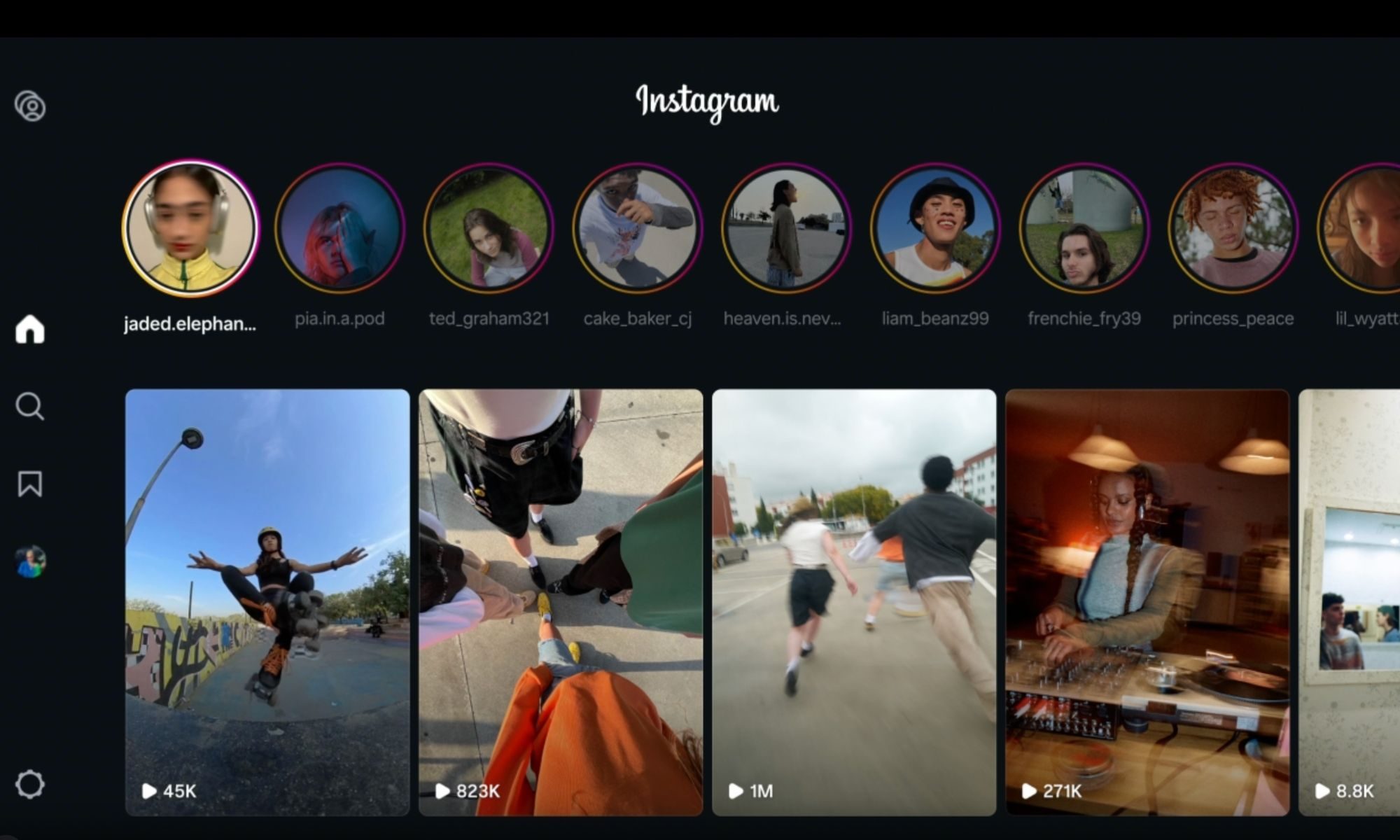
Meta just expanded Instagram for TV to Samsung Smart TVs across the US, rolling out a bunch of new features built for group viewing. With Samsung now on board, Instagram for TV has officially landed on the three biggest connected TV platforms in the country.

https://twitter.com/metanewsroom/status/2069062429821026732?s=46

Read more
TikTok’s AI slop problem is worse than you think — and kids are seeing the most of it
TikTok

TikTok has spent years perfecting the art of knowing exactly what you want to watch next. Open the app, scroll a few times, and suddenly it’s serving videos that feel uncannily tailored to your interests. But what happens before TikTok learns who you are? According to new research from video editing platform Kapwing, the answer is increasingly AI slop.

The study found that nearly 60% of the videos shown to a brand-new TikTok account were low-quality AI-generated content. That’s not a niche problem buried in obscure corners of the platform. It’s the first impression TikTok is making on new users before the algorithm even begins personalizing their feed. And if that sounds concerning, the findings around children’s content are even harder to ignore.

Read more