  1. Home
  2. Emerging Tech
  3. News

Europe’s newest planet-hunting satellite opens its eyes for the first time

Add as a preferred source on Google

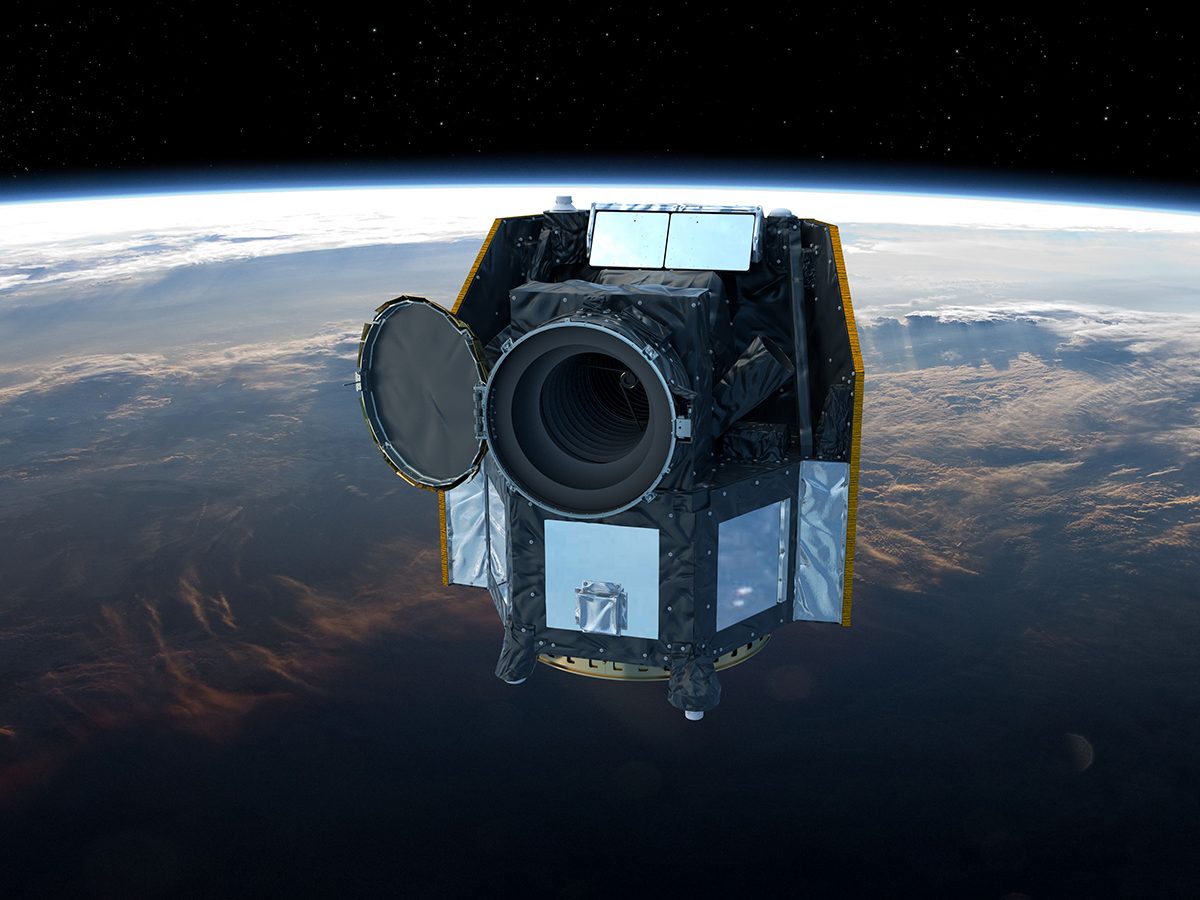
Artist's impression of CHEOPS
Artist’s impression of CHEOPS ESA / ATG medialab

The European Space Agency (ESA)’s new exoplanet-hunting instrument, the CHaracterizing ExOPlanet Satellite (CHEOPS), has opened its eyes to observe the universe for the first time.

Recommended Videos

The ESA launched the CHEOPS satellite in December last year. Since then, it has been orbiting the Earth at an altitude of 700 kilometers (435 miles) while scientists performed various tests to make sure all the components were working as they should.

“Shortly after the launch on December 18, 2019, we tested the communication with the satellite,” Willy Benz, professor of astrophysics at the University of Bern and Principal Investigator of the CHEOPS mission, explained in a statement. “Then, on January 8, 2020, we started the commissioning, that is, we booted the computer, carried out tests, and started up all the components.”

The tests went well, with no issues reported. But there was still one big challenge for Benz and his colleagues: Opening the cover of the space telescope, which protects the instrument during launch. “We were now looking forward excitedly and with a bit of nervousness to the next decisive step: the opening of the CHEOPS cover,” Benz said.

On Wednesday, January 29, the cover was opened for the first time. “The cover was opened by sending electricity to heat an element which held the cover closed,” Benz explained. “The heat deformed this element and the cover sprung open. A retaining fixture caught the cover. Thanks to the measurements of the sensors installed, we knew within minutes that everything had worked as planned.”

Now CHEOPS can begin its mission of observing exoplanets, in particular, to search for habitable planets. “In the next two months, many stars with and without planets will be targeted in order to examine the measurement accuracy of CHEOPS under different conditions,” Benz said.

We shouldn’t have to wait long to see the first CHEOPS images of space. CHEOPS has taken hundreds of images already, even though these were all black because the cover was closed, so the scientists have already been able to calibrate the instrument.

Even though it will take a while for the researchers to confirm that the CHEOPS satellite is operating correctly in every way, there should be images available to view soon, according to David Ehrenreich, CHEOPS project scientist at the University of Geneva: “We expect to be able to analyze and publish the first images within one or two weeks,” he said.

Georgina Torbet
Georgina has been the space writer at Digital Trends space writer for six years, covering human space exploration, planetary…
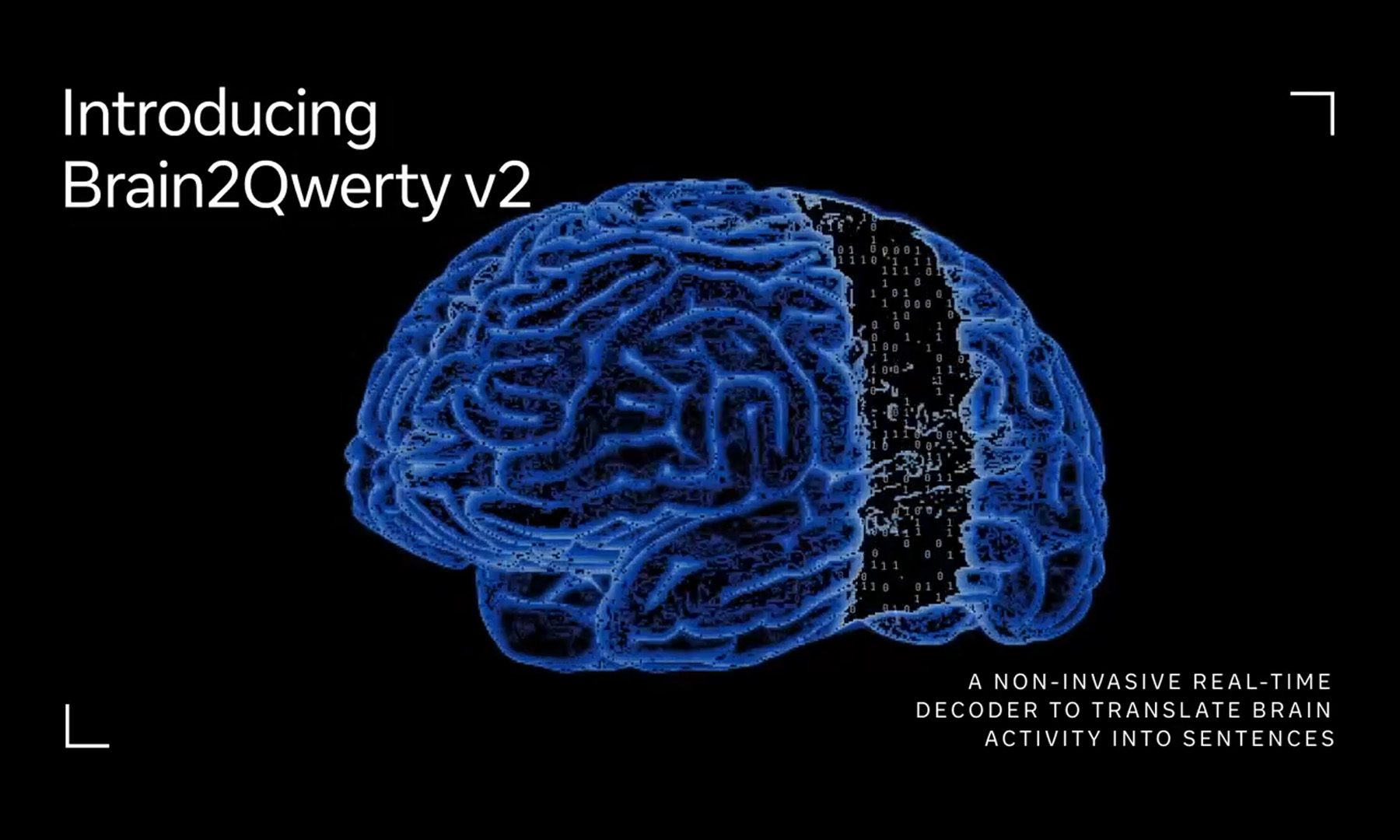
Meta’s Brain2Qwerty v2 turns thoughts into text, and it doesn’t need brain implants
The latest AI model decodes brain signals into coherent sentences using external scanners.
Meta Brain2Qwerty v2 Featured

Artificial intelligence is getting surprisingly good at understanding humans. Now, Meta wants it to understand our brains too. The company has unveiled Brain2Qwerty v2, an upgraded AI system that can translate brain activity into full sentences, all without requiring brain implants or surgery. The goal isn't mind reading for the masses. Instead, it's to help people who have lost the ability to speak communicate again.

How a Brain-powered keyboard works

Read more
AI chatbots can often feed into your delusions. Researchers say you should look for three signs
Experts warn that chatbot design choices can reinforce unhealthy beliefs in vulnerable users.
ChatGPT on a smartphone

Artificial intelligence chatbots have become incredibly good at sounding human. But a new review paper by psychiatrist Marc Augustin and fellow researchers Thomas A. Pollak and Helen Morrin, published in NPP—Digital Psychiatry and Neuroscience, argues that existing AI research points to an overlooked psychological risk. The paper, highlighted by The Wall Street Journal, reviews previous studies and proposes a framework explaining how three common chatbot behaviors can combine to reinforce delusional thinking in vulnerable users, creating what the authors call an "amplification spiral."

Researchers say these are the three warning signs

Read more
Lost access to your crypto wallet? Don’t Google your way out of it
Security researchers warn that fake recovery tools are becoming the latest trap for crypto owners.
Bitcoin crypto wallet featured

Forgetting the recovery phrase to a crypto wallet can be stressful enough. Unfortunately, that's exactly the moment scammers are waiting for. A new warning highlights a growing scam in which cybercriminals disguise malware as cryptocurrency recovery software, tricking desperate users into handing over far more than just access to their wallets.

The fake recovery tool that's actually malware

Read more