1. Home
  2. Computing
  3. Apple
  4. News

Former Intel engineer reveals the truth about the Mac’s switch to Apple Silicon

Add as a preferred source on Google
Promotional logo for WWDC 2023.
This story is part of our complete Apple WWDC coverage
 

When Apple announced at its Worldwide Developers Conference (WWDC) that it was ditching Intel processors and working on its own Mac chips (dubbed Apple Silicon), the company said it was motivated by a desire to maximize performance while minimizing power consumption. But now another account has emerged to explain Apple’s dramatic switch.

Recommended Videos

Speaking to PC Gamer, former Intel engineer François Piednoël explained the decision was all about bugs, bugs, and more bugs.

“The quality assurance of Skylake was more than a problem. It was abnormally bad. We were getting way too much citing for little things inside Skylake. Basically, our buddies at Apple became the number one filer of problems in the architecture. And that went really, really bad. When your customer starts finding almost as many bugs as you found yourself, you’re not leading into the right place.”

Apple WWDC 2020
Image used with permission by copyright holder

Prior to this revelation, the prevailing thought has been that Apple grew tired of Intel missing deadlines, which led to Apple having to launch Macs with outdated chips. By taking control of the processor situation, Apple would be able to better plan its future products and avoid the kind of deadline headaches it was experiencing with Intel. It is likely that this still played a part in Apple’s decision, in addition to Piednoël’s comments — after all, launching products with sub-par components looks bad for anyone, but especially for the world’s largest tech company.

Piednoël believes that, while Apple was already considering moving away from Intel, the problems with Skylake were the tipping point: “This is where the Apple guys who were always contemplating to switch, they went and looked at it and said: ‘Well, we’ve probably got to do it.’ Basically, the bad quality assurance of Skylake is responsible for them to actually go away from the platform.”

Still, it is unlikely this is the only reason Apple made the switch. As Apple explained during WWDC, putting its entire product line-up — including Macs, iPhones, and iPads — on the same Apple Silicon architecture makes things a lot easier for developers who make apps for these systems. Intel’s Skylake chips were launched back in 2015, also known as its 6th-generation processors.

Apple claims that its Apple Silicon processors will combine exceptional performance with minimal power draw, occupying a space that Intel chips could not. We will have to reserve judgment on that until we are able to review an Apple Silicon Mac, but if Apple’s claims prove accurate, it could be a device worth waiting for.

Alex Blake
Alex Blake has been working with Digital Trends since 2019, where he spends most of his time writing about Mac computers…
Asus’ latest Zenbook puts a seriously bright OLED screen inside an impossibly slim body
The Zenbook 14 Air is only 11mm thick but still packs a 77Wh battery
Computer, Electronics, Laptop

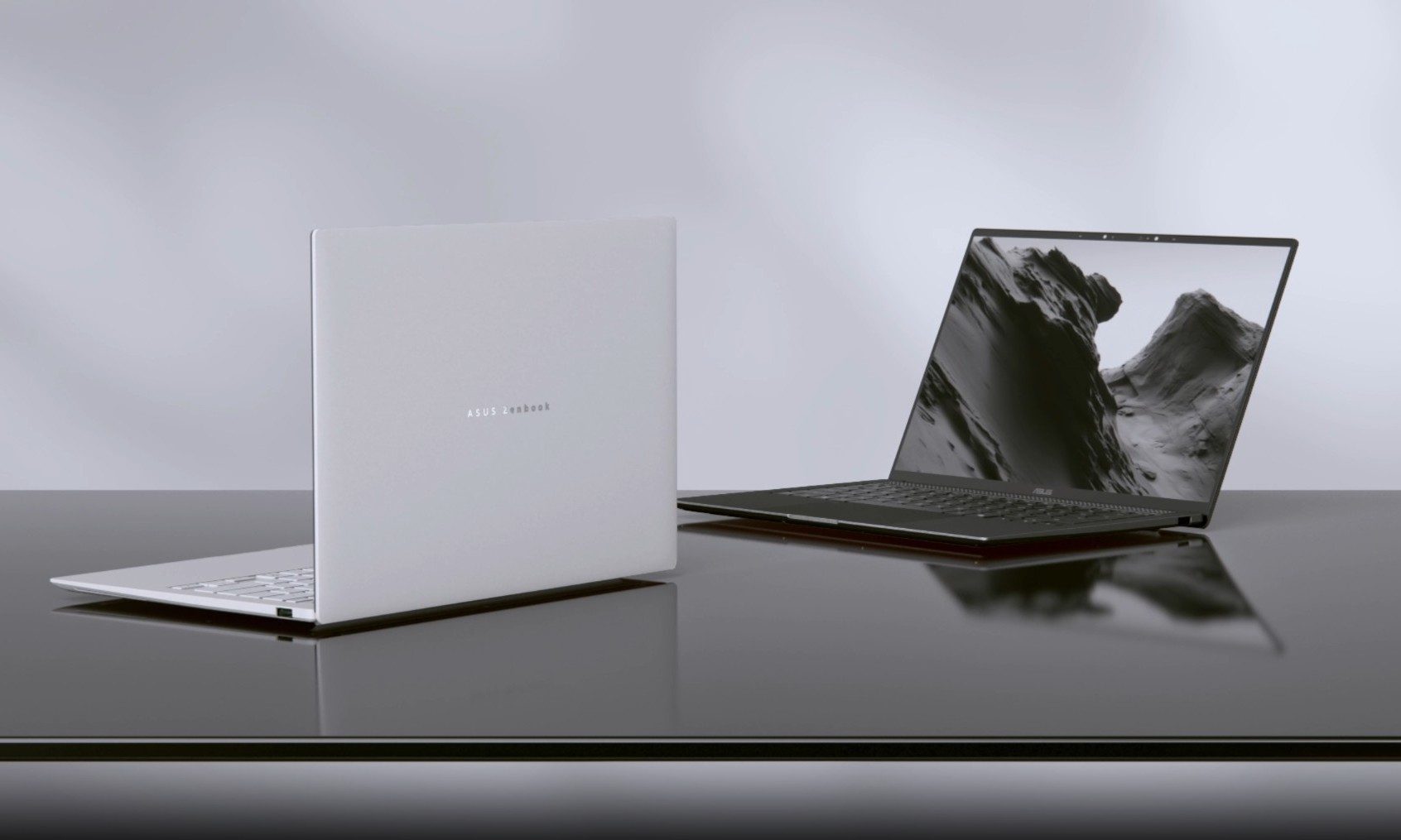
Asus has introduced a new AMD-powered version of the Zenbook 14 Air 2026, combining a bright OLED display and a large battery inside an 11mm-thick chassis. It weighs 1.19kg, keeping it firmly in ultraportable territory despite the 77Wh battery inside.

The Zenbook 14 Air 2026 itself is not entirely new. Asus launched an Intel configuration powered by the Core Ultra 9 386H in China back in January. The latest version switches to AMD’s Ryzen AI 7 H 445 and is priced at CNY 9,999, or around $1,477. (via Notebookcheck)

Read more
Before you blow your student budget, here’s the MacBook that actually suits your major
Confused by the MacBook lineup? I sorted it out so students don't have to
Computer, Electronics, Laptop

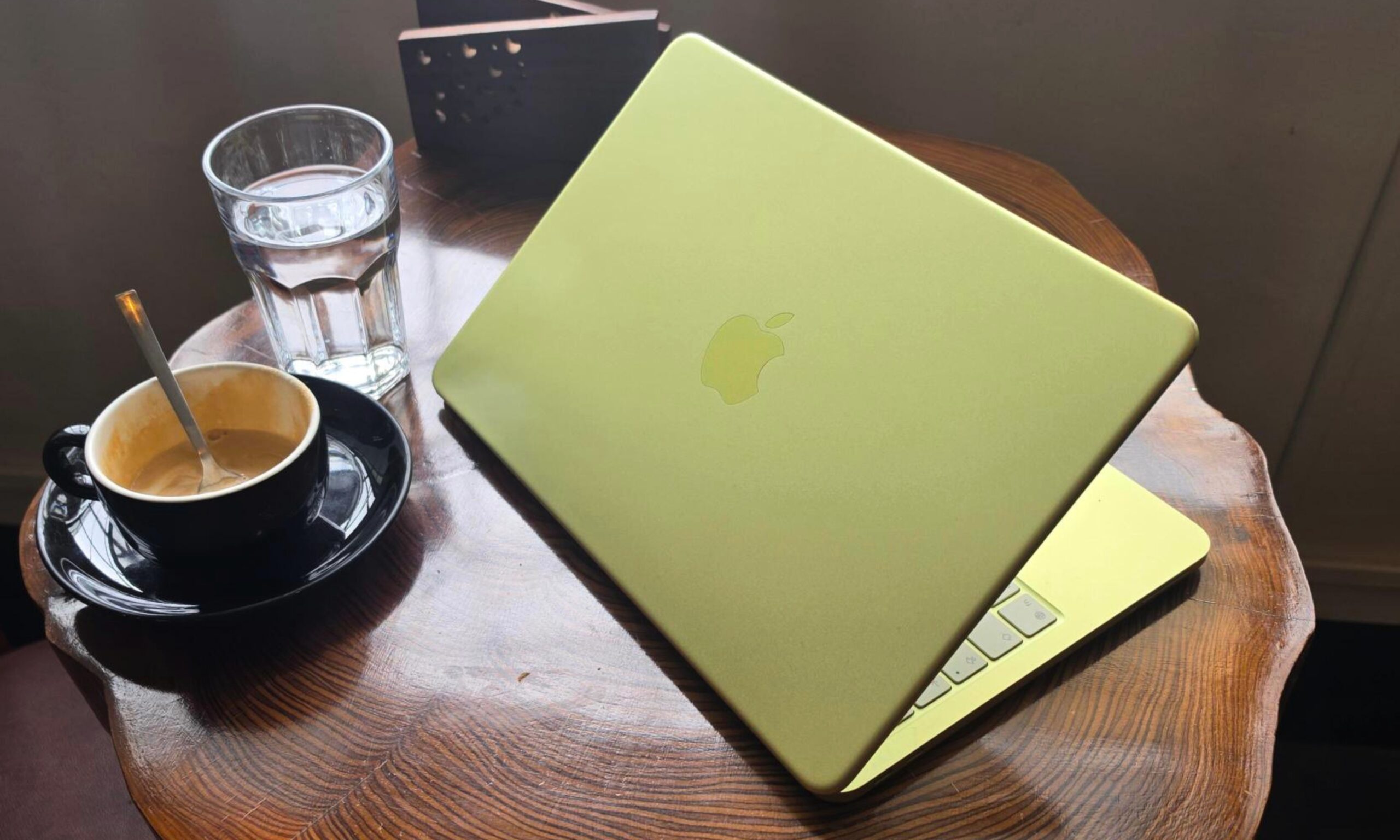
Apple’s MacBook lineup has become much broader in 2026. The MacBook Neo brings the entry price down considerably, the M5 MacBook Air remains the obvious all-rounder, and the MacBook Pro covers students whose coursework can push a laptop to its limits.

But with a wide range, choosing one becomes harder. Spending more can bring a better display, faster storage, additional ports, and considerably greater performance. However, plenty of students will never take advantage of those upgrades. So, I have narrowed the current lineup down to three models, each aimed at a distinct kind of buyer.

Read more
Qualcomm is set to ratchet up chip prices in September, and your next gadget upgrade could bear the brunt
The price hike could touch every Snapdragon-powered device category.
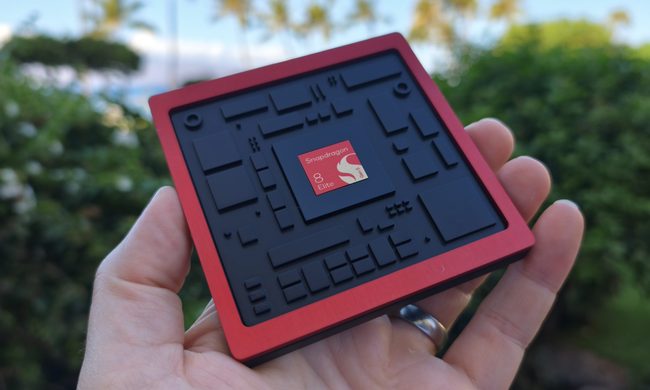
The new Qualcomm Snadragon 8 Elite Gen 5

I want you to sit with this for a second. Qualcomm, the company whose Snapdragon chips sit inside your Android phone and tablet, your Windows laptop, your Meta smart glasses, your Galaxy Watch, and your wireless earbuds, reportedly sent a letter to every major customer telling them prices are going up by double digits. 

The price hike will be in effect from September 1, 2026, a recent Bloomberg report claims. Essentially, all the companies placing their chip orders after that will pay a higher price. 

Read more