This story was updated on 07/10/20 to correctly reflect Adrien Stachowicz’s years of experience.
Music is art. And Pantheone wants to embody that.
The company’s first speaker, the Pantheone I, not only looks striking, but aims for top-notch audio quality that few competitors can hope to match.
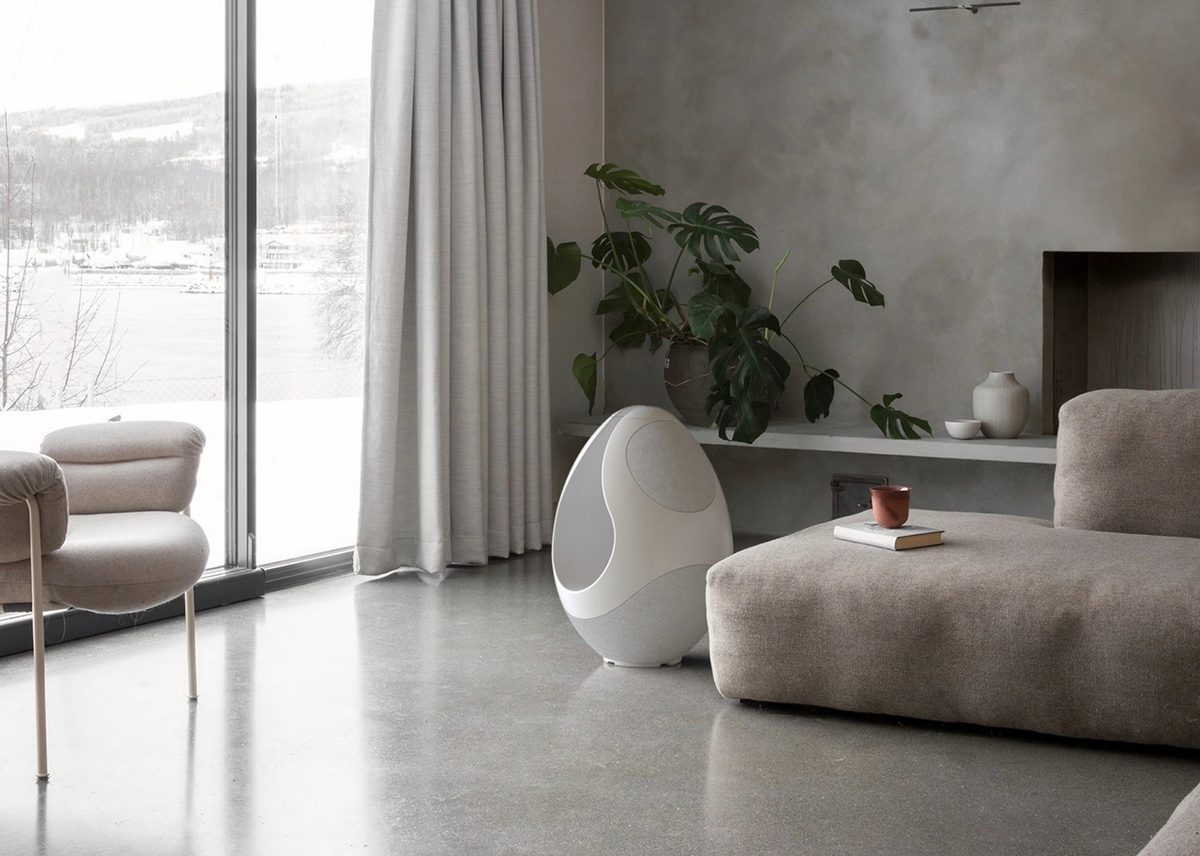
The speaker is made from high-density resin, which is more typically used as an artistic material. It ensures a smooth, curved shape with exceptional rigidity and robustness. The resin is claimed to dampen vibrations and enhance internal acoustic wave management. Also, it’s very heavy. The Pantheone I speaker weighs 25 kilograms (55 pounds).
The company’s emphasis on exceptional sound wouldn’t be complete without strong connectivity and compatibility, and the Pantheone I has that in spades. It supports a wide list of streaming services including Spotify, Amazon Music, Tidal (including Master tracks), TuneIn, and even Apple Airplay, as well as a host of codecs from the lowly MP3 to HE-AAC V2.
The Pantheone I also supports aux input via a mini jack, Bluetooth, Ethernet, and Wi-Fi, and can be controlled via the Pantheone app for both iOS and Android, with support for streaming rates of up to 24bit/192K.
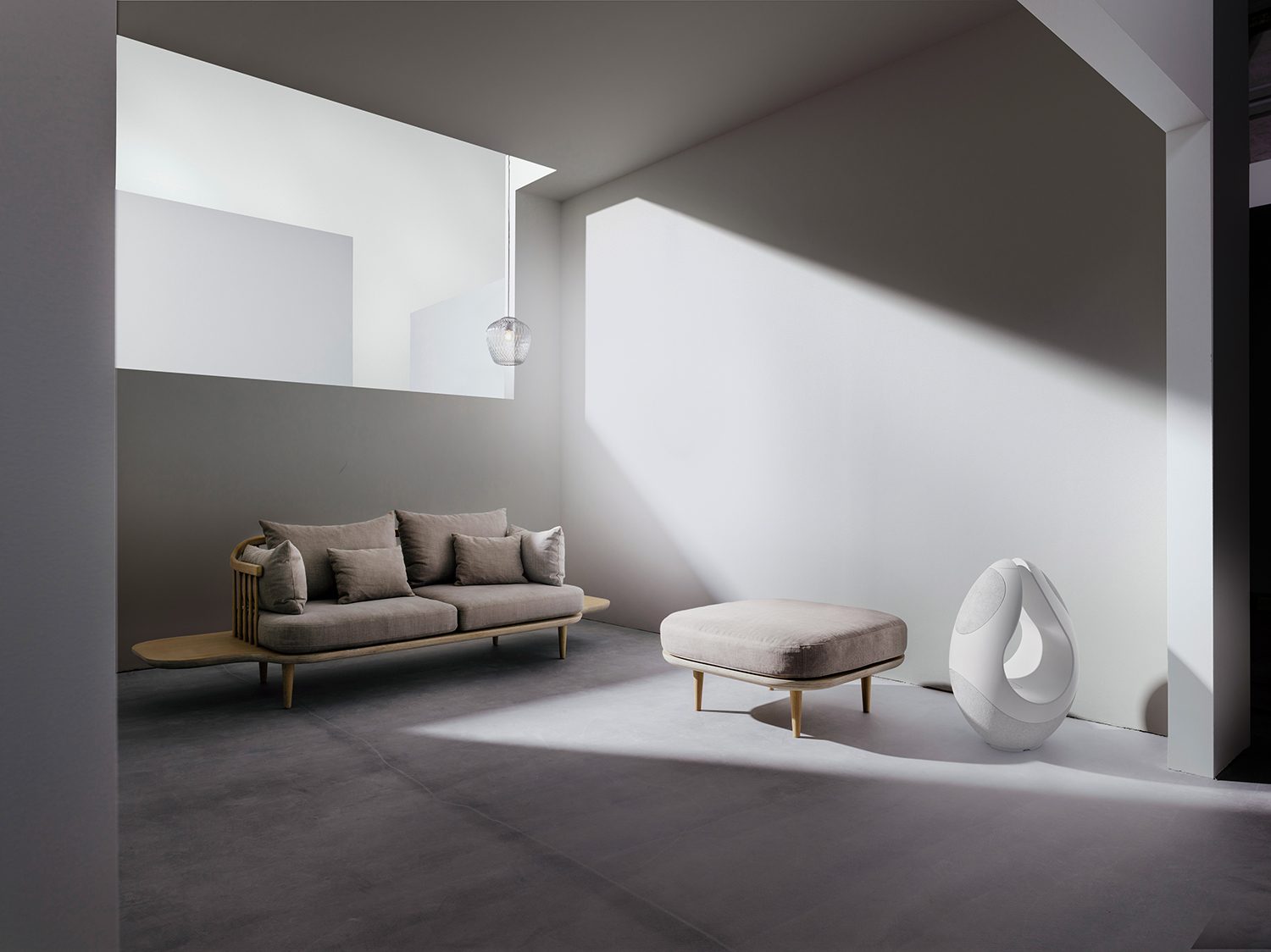
Up to eight Pantheone I devices can be synced together and will work in unison to project stereo sound. However, while you could buy eight of these speakers and connect them, this feature is really setting the stage for additional speaker systems that will come from the company over time and serve as a whole-house audio solution.
Given their wide support for streaming and the ability to string devices together through a house, Pantheone seems to have its sights set on Sonos, and perhaps even Bose.
Pantheone will likely separate itself from those comparisons, though, as its pricing is considerably higher. The Pantheone I, for example, is retailing at $2,190 at launch.
A new concept from industry veterans
Though Pantheone is a new player in the audio space, the team behind it is not. The head acoustic engineer, Adrien Stachowicz, gained more than 25 years of experience developing audio equipment at Focal, France’s premier high-fidelity audio company, before being stolen away by Pantheone CEO Oren Adani. Adani himself is a 25-year veteran of consumer electronics.
“Our creative director, Anne-Claire Bottos, has worked with high-end brands in luxury design like Cartier, Yves Saint Laurent, and Givenchy,” Adani told Digital Trends, “We came together to brainstorm something that would not be just a speaker.”
Adani framed the company as a passion project after a lifetime of labor. “We are at a stage in our lives that we are able to be in a state of mind that allows us to do what we have wanted to do for a long time,” he said.
For Adani, Stachowicz, and Bottos, the creation of Pantheone as a company, as well as the Pantheone I as its first product, is based on the idea that an audio device must be as beautiful to behold as it is to hear.
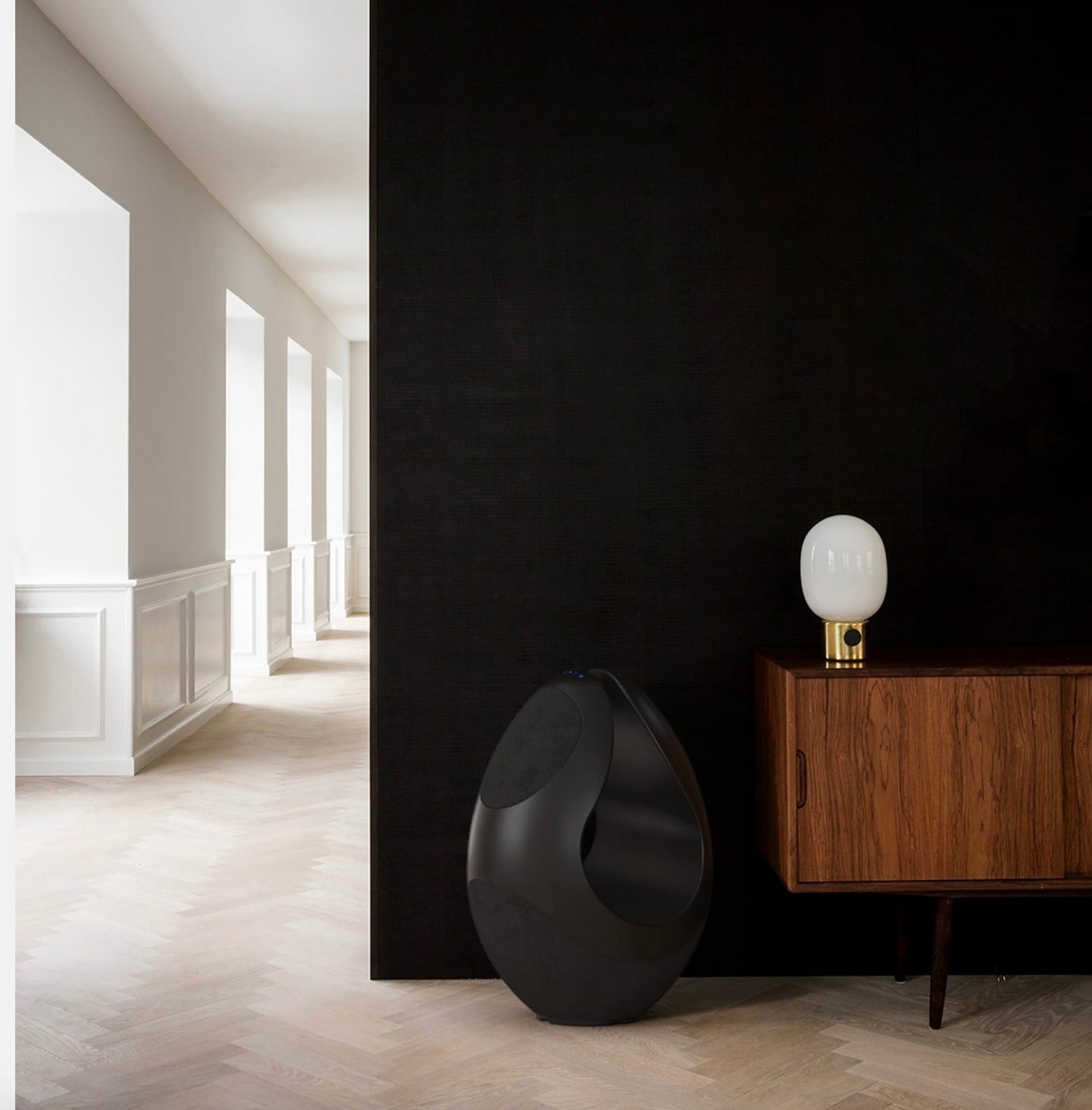
“From the visual side of it, speakers have always been just a box in different shapes. I wanted to make something that was more of a [statement piece],” Adani said. “I wanted it to flow with what is around you, and not just be an obstacle that you have in the way.”
Adani contends that when we listen to music now, most of us will close our eyes and just listen. That wasn’t good enough for him. “We wanted to create was something where you wouldn’t want to close your eyes, and instead use all your senses when you’re listening to music.”
Combining looks and sound
The company name and that of its flagship product are a direct reference to the Pantheon in Rome. Using the ancient, giant dome as inspiration, Adani says the Pantheone I speaker aims to replicate the feeling of that space. “When you go inside the Pantheon, just the sounds of people talking around you, and the way that the light comes down from the hole at the top of the dome, that overall feeling was what we are trying to re-create,” he said.
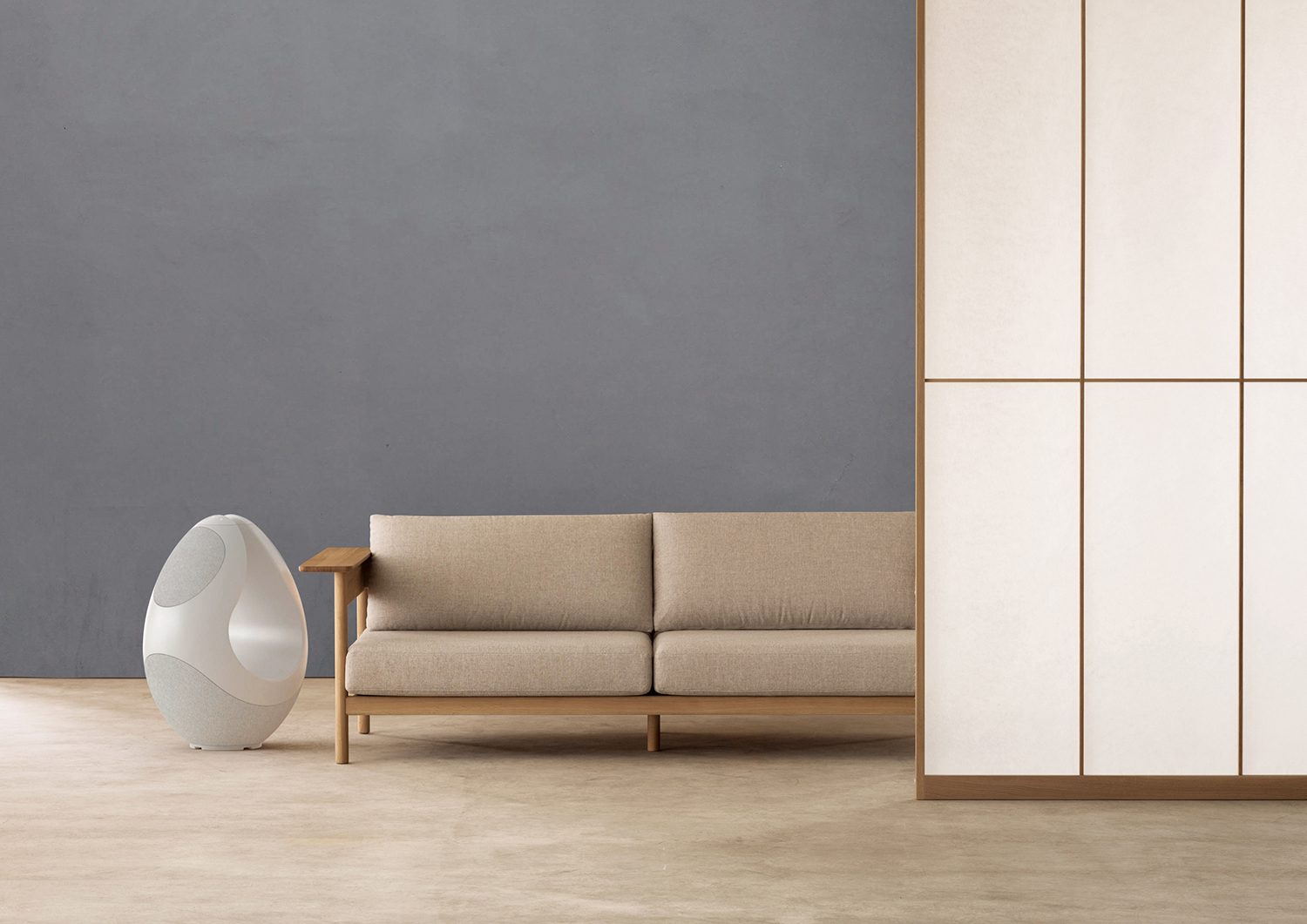
While the device was inspired by the Pantheon, its shape is also designed to project sound 360 degrees.
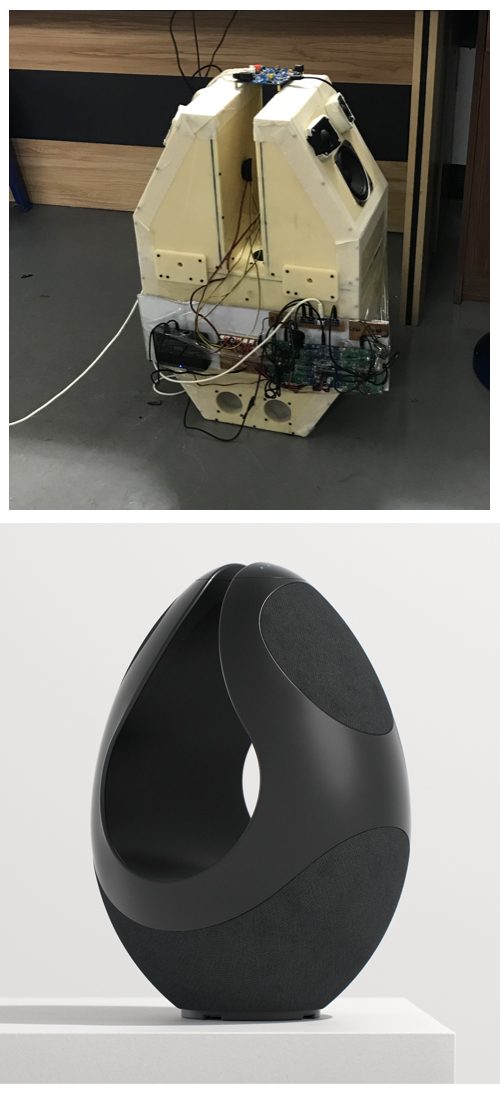
Because the Pantheone team designed their speaker system to be an art piece that sounds excellent, they engineered themselves into a conundrum. To produce quality sound, the main drivers needed to be a certain size, yet driver size was constricted by the design.
“Construction of the Pantheone I was one of the harder things to do from a consumer electronics perspective because of the shape of the product,” Adani explained. “Mechanically, you need to find a way to put the drivers in the right places. The 360 sound, the woofers, everything in one unit.”
Not only did all the parts have to fit into small, specific places, they also had to perform. “It’s very powerful, and so the unit can fill a very big room. We did some testing, just to assure we could even put drivers where we did,” he said.
After considerable effort, the Pantheone team did manage to achieve their goal of high-fidelity sound packed into an unusual shape that draws the eye.
Adani wouldn’t say specifically what is coming next for Pantheone, but did make one thing clear. “Anything we do will have to be beautiful,” he emphasized. “We make beautiful objects that live in harmony with your space. When people see the Pantheone I for example, they don’t think it’s a speaker. They just see a beautiful object.”