1. Home
  2. Phones
  3. Mobile
  4. News

Verizon expands rural internet options with LTE Home Internet

Add as a preferred source on Google

Verizon is expanding its 4G broadband home internet to more rural communities in the U.S. by way of a new service option. 

Verizon’s LTE Home Internet will become available in Savannah, Georgia; Springfield, Missouri; and the Tri-City area in Tennessee, Virginia, and Kentucky starting Thursday, July 30. Along with unlimited data, customers get download speeds of 25 Mbps and peak internet speeds of 50 Mbps, which, according to the Federal Communications Commission (FCC), are above the standard minimum.

Recommended Videos

“With LTE Home Internet, our most awarded 4G LTE network will provide internet connectivity for customers in more rural parts of America who may not have access to broadband internet service — a critical need, especially now, when so many are counting on reliable connectivity for remote work and educational needs,” said Frank Boulben, senior vice president of consumer marketing and products at Verizon, in the company’s announcement. 

Image used with permission by copyright holder

LTE Home Internet costs $60 a month for non-Verizon Wireless customers and will be only $40 for those who already are signed up for Verizon Wireless. 

A Verizon spokesperson told Digital Trends the company will be expanding the LGE Home Internet to more rural markets soon.

Rural Americans are by far the most under-served population in the country when it comes to broadband internet access. A 2018 FCC report found that 98% of Americans in urban areas had access to a broadband connection, yet only 69% of rural Americans have a connection. 

In a time when advanced 5G connections are rolling out to most major cities in the country, it seems only fair that every part of the U.S. becomes connected to the internet.

Allison Matyus
Former Digital Trends Contributor
Allison Matyus is a general news reporter at Digital Trends. She covers any and all tech news, including issues around social…
Android desktop mode made me miss my laptop in record time
I tried writing and publishing from Google’s phone-to-monitor setup, and the future of mobile computing immediately started sweating.
Computer, Electronics, Laptop

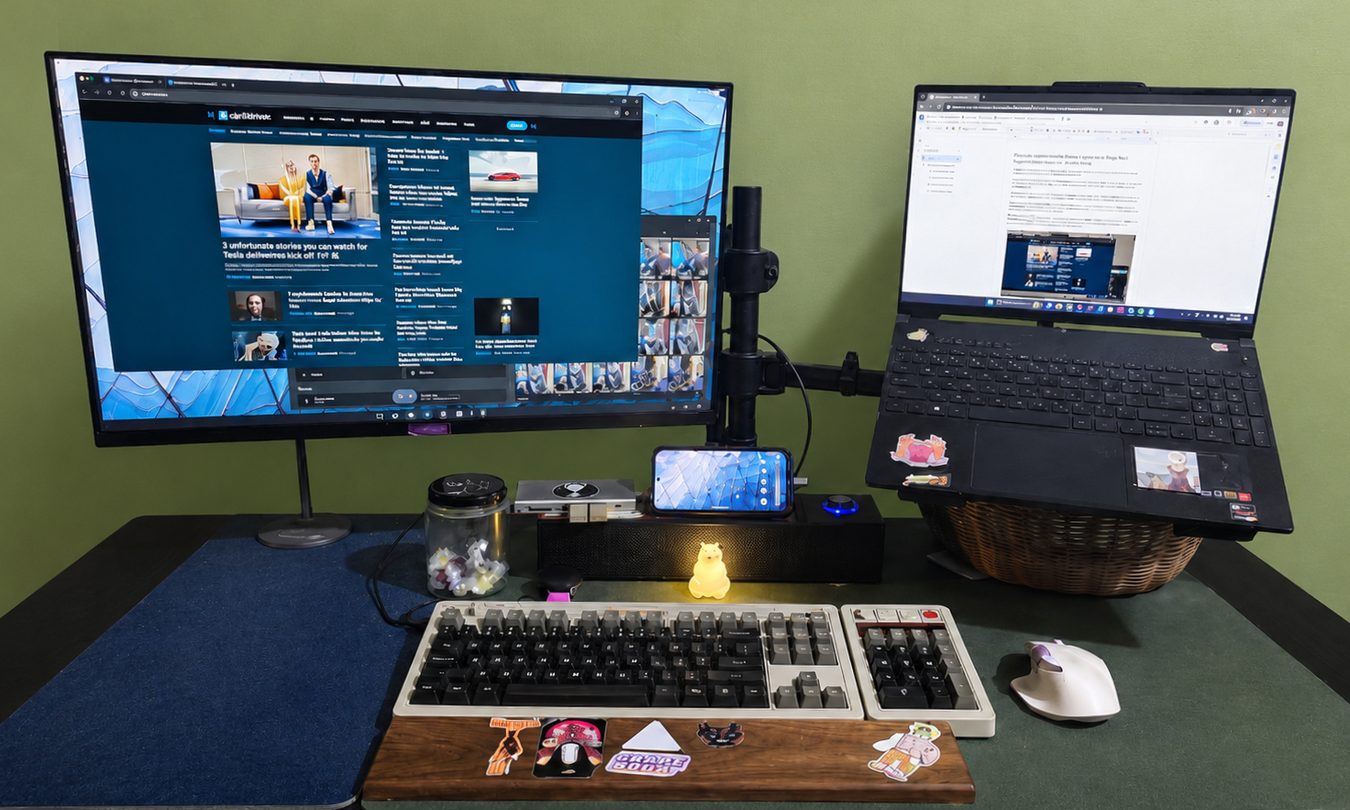
Android 17 desktop mode has a very simple pitch. Plug your phone into a monitor, add a keyboard and mouse, and watch the slab in your pocket pretend to be a computer. I wanted to give that pitch a fair shot, so I tried using it for an actual workday instead of a cute demo.

The goal was boring on purpose: write an article, edit it, build the page in WordPress, upload whatever needed uploading, and publish the thing without running back to my laptop like a coward.

Read more
After test-driving iOS 27, my iPhone still doesn’t feel like it has made a substantial leap
Siri learned new tricks. Safari got smarter tabs. My morning routine didn't change at all.
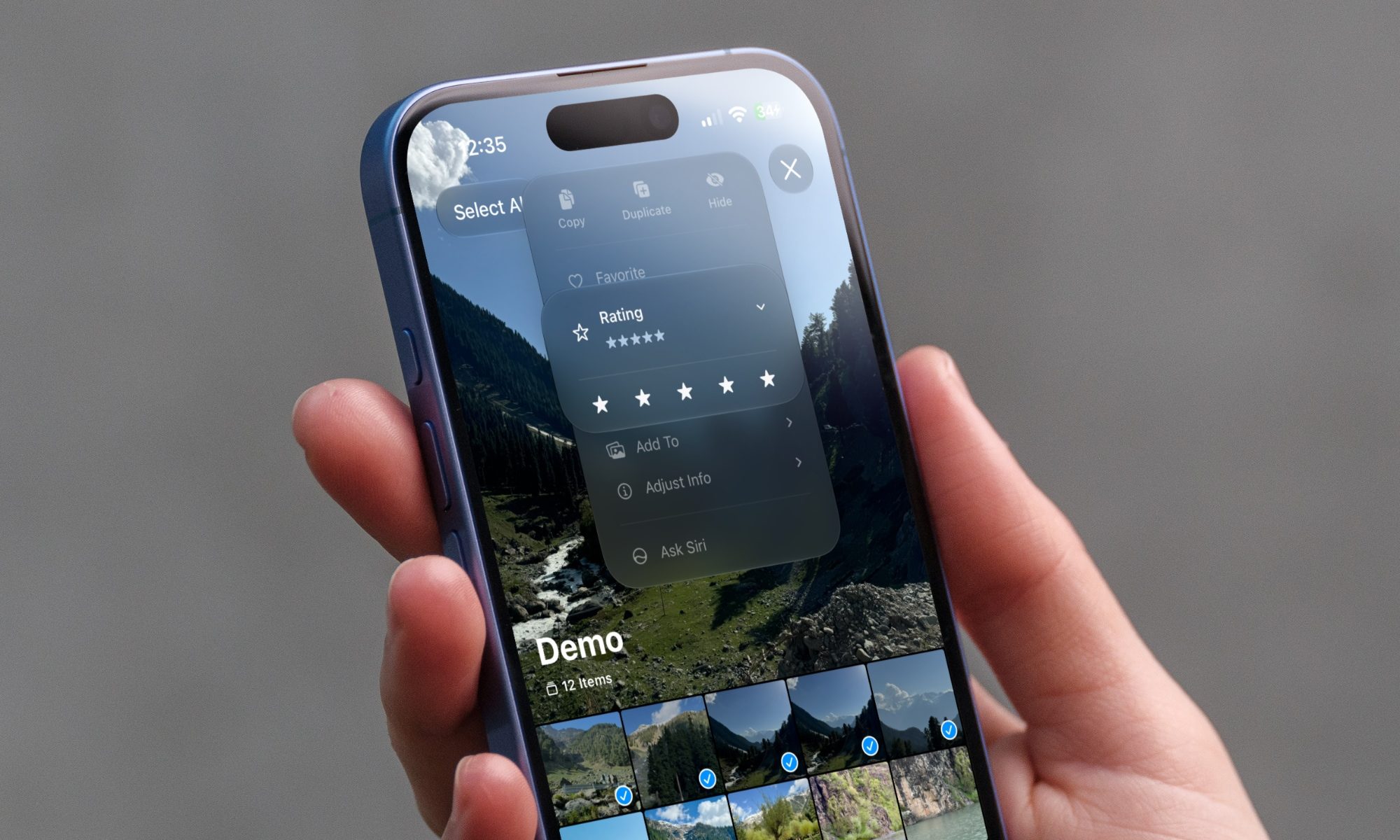
iOS 27 new star rating feature in Photos

Every June, after Apple wraps up its annual WWDC keynote, I install the latest iOS beta on my iPhone, watch the progress bar crawl to completion, and wait for the inevitable restart. For years, picking up my phone afterward felt almost identical to how it did before the update. 

I saw the same grid of icons, the same Control Center, and the same version of Siri until iOS 26 finally broke that pattern in 2025.

Read more
Android 17 makes a strong case for ignoring Android version numbers entirely
When the most noticeable change is a better Quick Settings button, the annual update cycle starts looking more like branding than progress.
Android 17 logo.

Android 17 finally separated the Wi-Fi and mobile data buttons, and I hate how much that improved my mood. For years, Android treated internet access like one mysterious blob, as if Wi-Fi and cellular data were emotionally codependent. In Android 17 Beta 3, Google split the old combined Internet button into separate Wi-Fi and mobile data tiles, making each connection easier to switch off with a single tap.

That’s a good change, which is also why it’s a little damning. When one of the cleanest wins in a major OS update is “the buttons make sense again,” the celebration gets awkward fast.

Read more