Samsung has become a top contender in the true wireless earbuds space with the Galaxy Buds Live and Buds Plus. The Buds Live are designed with ergonomics in mind, presenting a bean-shaped design that fits in almost any ear. The Buds Plus share a design more akin to what most are used to in earbuds; both designs have something for everyone.
In this guide, we consider design, audio, features, battery life, and price to give you an idea of which will work best for you.
Design

The difference in design between these two products is dramatic, to say the least. The Buds Live feature a bean-shaped design that fits into the concha of the ear — one of the most ergonomically shaped products in Samsung’s lineup. They have a glossy finish on the exterior and a matte finish on the underside. The Buds Live also feature air vents to keep your ears cool during long listening sessions.
The Galaxy Buds Plus are similar to their predecessor, the Galaxy Buds. They take the traditional approach for earbud design, with the tip filling up most of the ear canal. You do, however, get three adjustable tips in the packaging to fit your comfort. These earbuds have a glossy finish on the top part of the bud, and the inner portions are made out of matte plastic, similar to the Buds Live. With a stylish, ergonomic design, the winner here seems obvious.
Winner:
Audio performance
Speakers in both the Galaxy Buds Live and the Galaxy Buds Plus are powered by AKG, part of Samsung-owned Harman Kardon, for high-quality performance. The Buds Plus use a two-way dual dynamic speaker for sound, while the Buds Live have 12mm speakers. The air vents in the Buds Live create a spacious sound and give you great bass.

For comparison, we listened intently to the Dryx tune “Infinite” to determine if there was any sound difference between the two earbuds. Dryx harmonies and vocal layers shine a lot more on the Galaxy Buds Plus, whereas on the Buds Live, the lows were a little more refined. There were instances in which the warmness of Dryx’s voice flows a lot better over the Buds Plus than Buds Live; however, both earbuds produce a good sound overall.
Winner: Tie
Features

The Buds Plus and the Buds Live can work with many devices via Bluetooth. Both earbuds can switch between devices without having to disconnect and pair them. Furthermore, they can also work with iOS devices using Bluetooth, so there are no issues there.
Both earbuds feature IPX2 water-resistance, meaning that these earbuds can only withstand a small amount of water without being damaged. Going for a run may not damage either bud, but do not get caught in a rainstorm as they are more than likely to get damaged.
The Buds Live feature an entire surface for touch controls, and you can tap the edges of the earbuds to control the volume. You can also activate Spotify controls with these earbuds, but only on Android devices. That’s a minor limitation to a feature that just doesn’t exist on the Galaxy Buds Live.
The Buds Live also use a touchpad to control music, but it is smaller in size and requires more effort to activate in comparison. The touch control size on the Buds Live makes it harder to find, and when you’re trying to adjust the earbuds in your ear, it’s easy to touch the area accidentally.
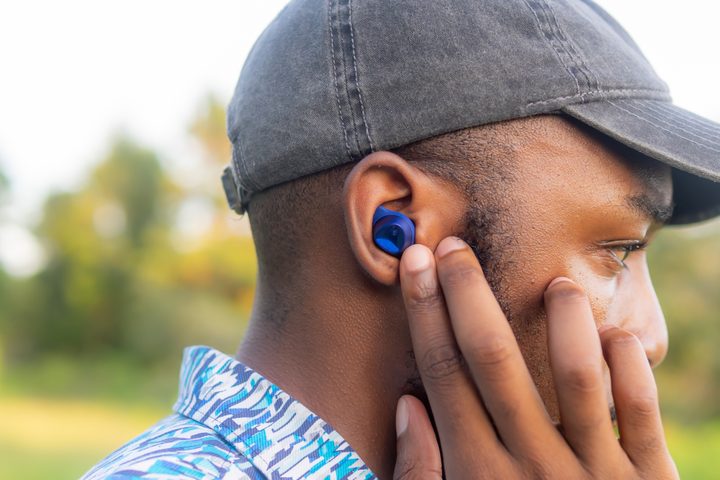
Noise cancellation is becoming a staple within earbuds, and the Galaxy Buds Live have a one-up on the Buds Plus here. The Buds Live have active noise cancellation built-in, while the Buds Plus only have noise isolation. The active noise cancellation on the Buds Live is pretty decent. It effectively blocks out sounds that you’re likely to find at home: Air conditioners, fans, and TVs are typically blocked out with these earbuds. They struggle to keep the voices of people that are near you out, however. The Buds Plus noise isolation does a good job blocking out sounds also, but because it’s just noise isolation, some sounds will get through quickly.
Winner:
Battery life
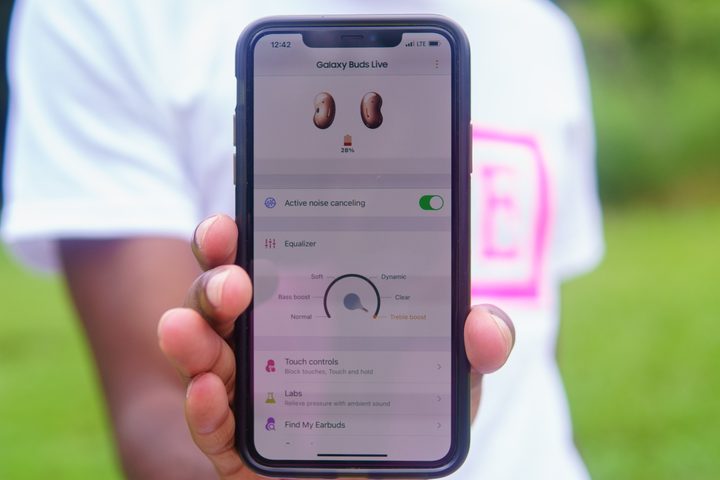
The battery life of both earbuds is impressive. The Buds Plus feature 11 hours of battery life, and with the charging case, you are going to get around 22 hours total. The Buds Plus offer up to 8 hours of battery life in comparison and 29 hours with the charging case. The caveat here is the fact that Buds Live have active noise cancellation, which affects battery life. When active noise cancellation is on, the earbuds offer around 5.5 hours of battery life, which does not live up to the battery life of the Buds Plus.
Winner:
Price
Samsung’s Galaxy Buds Plus start at $149; a BTS version (named after the Bangtan Boys, of course) costs $199. The Galaxy Buds live, on the other hand, are $169. Though the price difference is not too significant, the Galaxy Buds Plus offers you more value for your dollars than its competitors and the Buds Live.
There is no doubt that the active noise cancellation may sway you over to the Bud Live because most noise-canceling earbuds can have a hefty price attached to them. The cost-effectiveness of the Buds Plus makes it more intriguing to purchase over the Buds Live.
Winner:
Conclusion
The Galaxy Buds Live for just $20 more are worth the investment. The added noise cancellation is a plus and the sound quality makes them worth it. The Buds Live also offer a more unique design and feel than that of the traditional Buds Plus.
If you want to stick with a traditional fit and feel, however, the Galaxy Buds Plus may be the way to go. You’re still going to get great audio performance and battery life from them.