  1. Home
  2. Computing
  3. Legacy Archives

Zuckerberg Promises Simpler Facebook Privacy Controls

Add as a preferred source on Google
Image used with permission by copyright holder

In an op-ed piece published in the Washington Post, Facebook CEO Mark Zuckerberg promised the social networking site will offer simplified privacy control in the “coming weeks,” including an “easy way” to turn off all third-party services.

“Simply put, many of you thought our controls were too complex,” Zuckerberg wrote. “Our intention was to give you lots of granular controls; but that may not have been what many of you wanted. We just missed the mark.”

Recommended Videos

Zuckerberg’s promise comes as the social networking service is facing another firestorm of controversy over the accessibility of its users’ information. Barring privacy gaffes that expose chats and private account information—the most recent comes by way of unique user codes being sent along to advertisers—Facebook’s revamped privacy settings indeed offer a lot of granularity, but have been roundly criticized as being too complex for most people to manage meaningfully. For instance, Facebook’s privacy setting enable users to opt out of sharing personal data with other sites so they can personalize their content for particular users, but Facebook only enables users to opt out on a site-by-site basis. There’s no way for Facebook users to opt out of it entirely.

Lawmakers and regulators have been taking notice of Facebook’s struggles with privacy. Democratic senator Chuck Schumer has asked the Federal Trade Commission to regulate social networking sites and establish a set of guidelines for how they operate; legislation has also been introduced in the U.S. House that would require users explicitly approve any sharing of personal information from a social networking site each and every time it happens. Government regulators in Canada and Europe are also looking into how Facebook handles personal information.

Geoff Duncan
Former Contributor
Geoff Duncan writes, programs, edits, plays music, and delights in making software misbehave. He's probably the only member…
Topics
TSMC might set up a price hike that could come straight for your next phone, laptop, or tablet
Here's what TSMC's rumored 10% chip price increase actually means in dollar terms, and why your next phone or laptop could end up costing more.
TSMC Fab

My wallet flinched the second I saw the words "TSMC" and "price increase" in the same headline, and honestly, yours should too.

Turns out the company behind the silicon powering basically every flagship device out there, including Apple’s A-series and Qualcomm’s Snapdragon processors, is reportedly about to make all of it a little pricier.

Read more
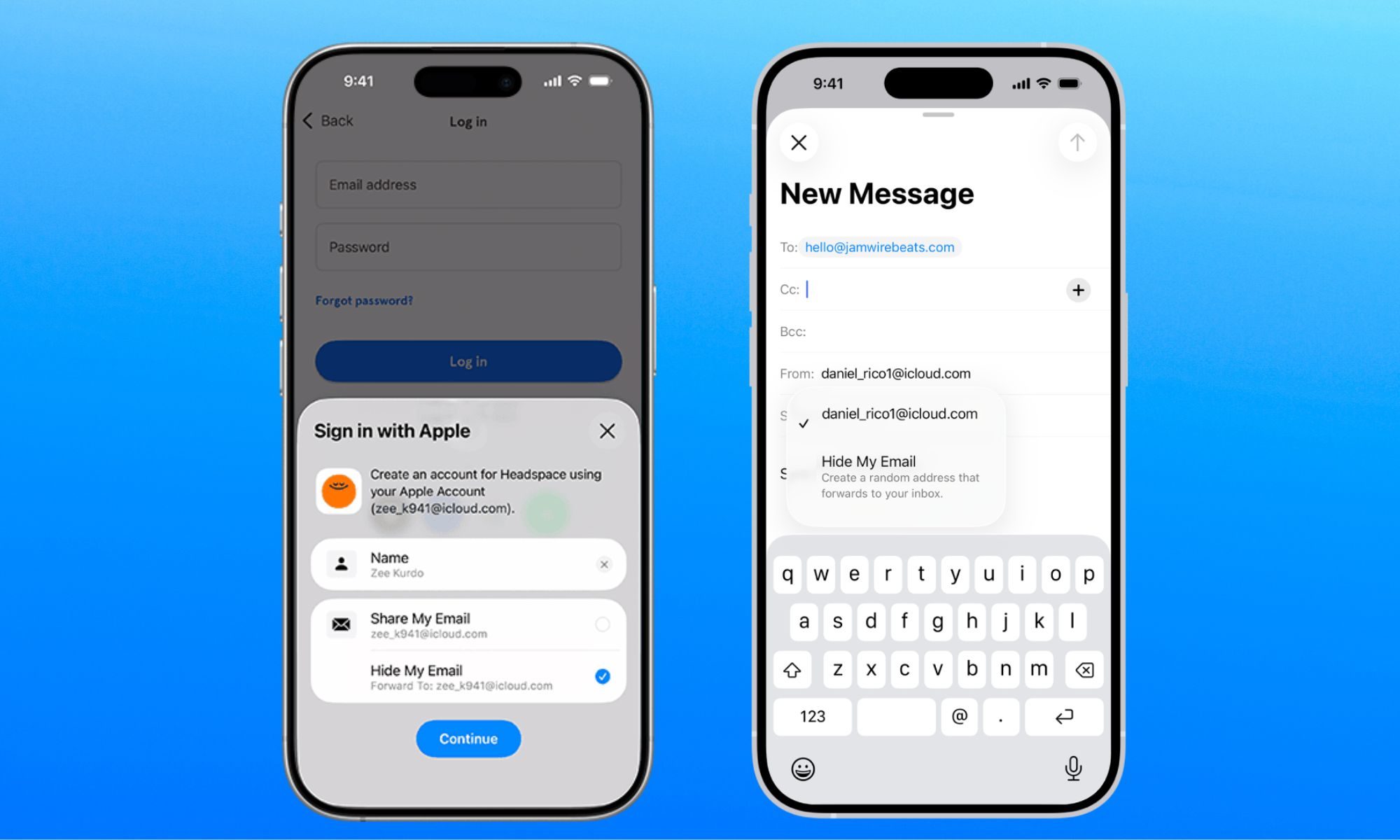
Apple fixes Hide My Email bug that exposed users’ real email addresses
Here's how Apple's Hide My Email flaw leaked real addresses for over a year, and why it only got fixed once the story went public.
apple-merging-sign-in-with-apple-hide-my-email-icloud+

Turns out the "Hide" part of Hide My Email wasn't doing its job quite as advertised, something that I covered early in July. Security researcher Tyler Murphy reported the flaw in June 2025, but despite Apple claiming it was resolved in March 2026, independent tests confirmed it remained exploitable, at least until July 3, 2026.

So how did this bug actually work?

Read more
Gemini Notebook’s new Collections arrive just as Google turns it into a bigger workspace
Google is cleaning up notebook organization as the former NotebookLM expands across Gemini and Search
Gemini Notebook branding on a MacBook

Google has barely finished renaming NotebookLM, and it’s already addressing one of the headaches that comes with building a large research library.

Collections are rolling out to all Gemini Notebook users, giving them a way to group related notebooks while keeping everything visible under My Notebooks. The dashboard gets some structure without asking users to rearrange the library they’ve already built.

Read more